
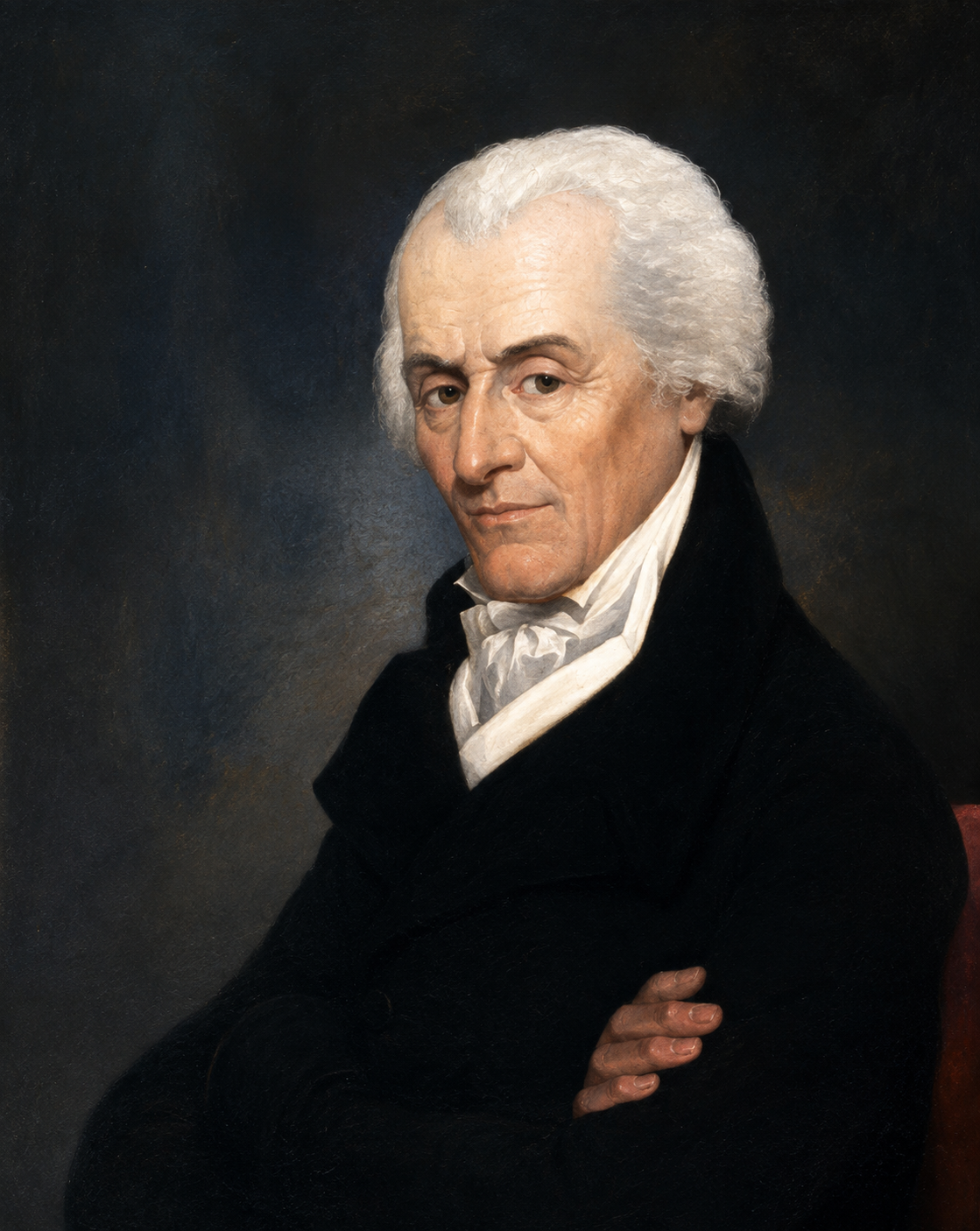
Elbridge Gerry
Elbridge Gerry
History often remembers him for a single political word.
It should also remember him as a patriot who repeatedly chose principle over popularity, wealth over personal security, and constitutional liberty over political convenience. His willingness to question even the government he helped create demonstrated a rare kind of patriotism—one grounded not in loyalty to power, but in unwavering devotion to the freedoms that power exists to protect.
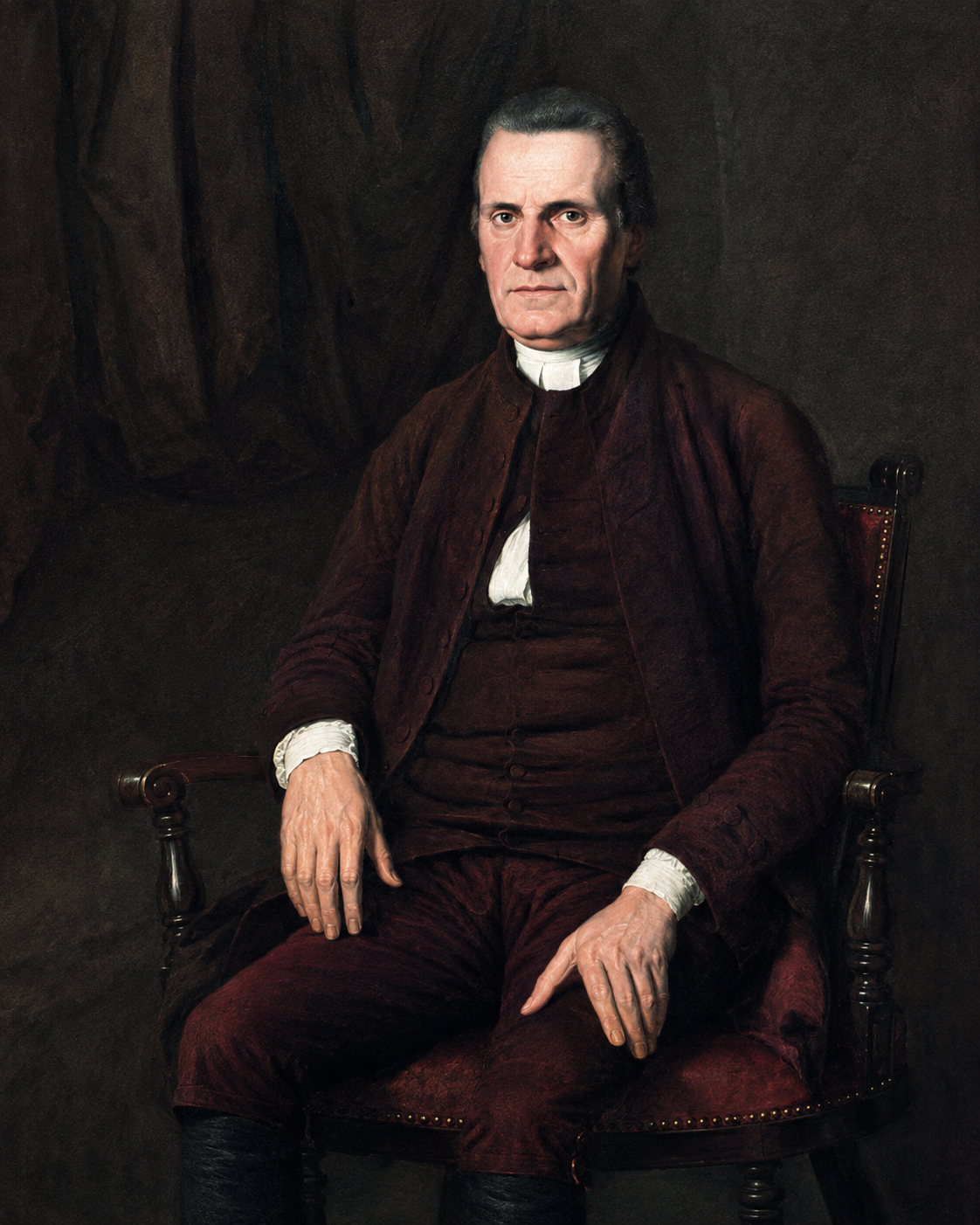
Roger Sherman
When Americans think of the nation's Founding Fathers, names like George Washington, Thomas Jefferson, Benjamin Franklin, and Alexander Hamilton usually dominate the conversation. Yet quietly standing among them was one of the most accomplished statesmen in American history—a self-educated shoemaker from Connecticut whose influence reached nearly every foundational document of the United States.
His name was Roger Sherman.
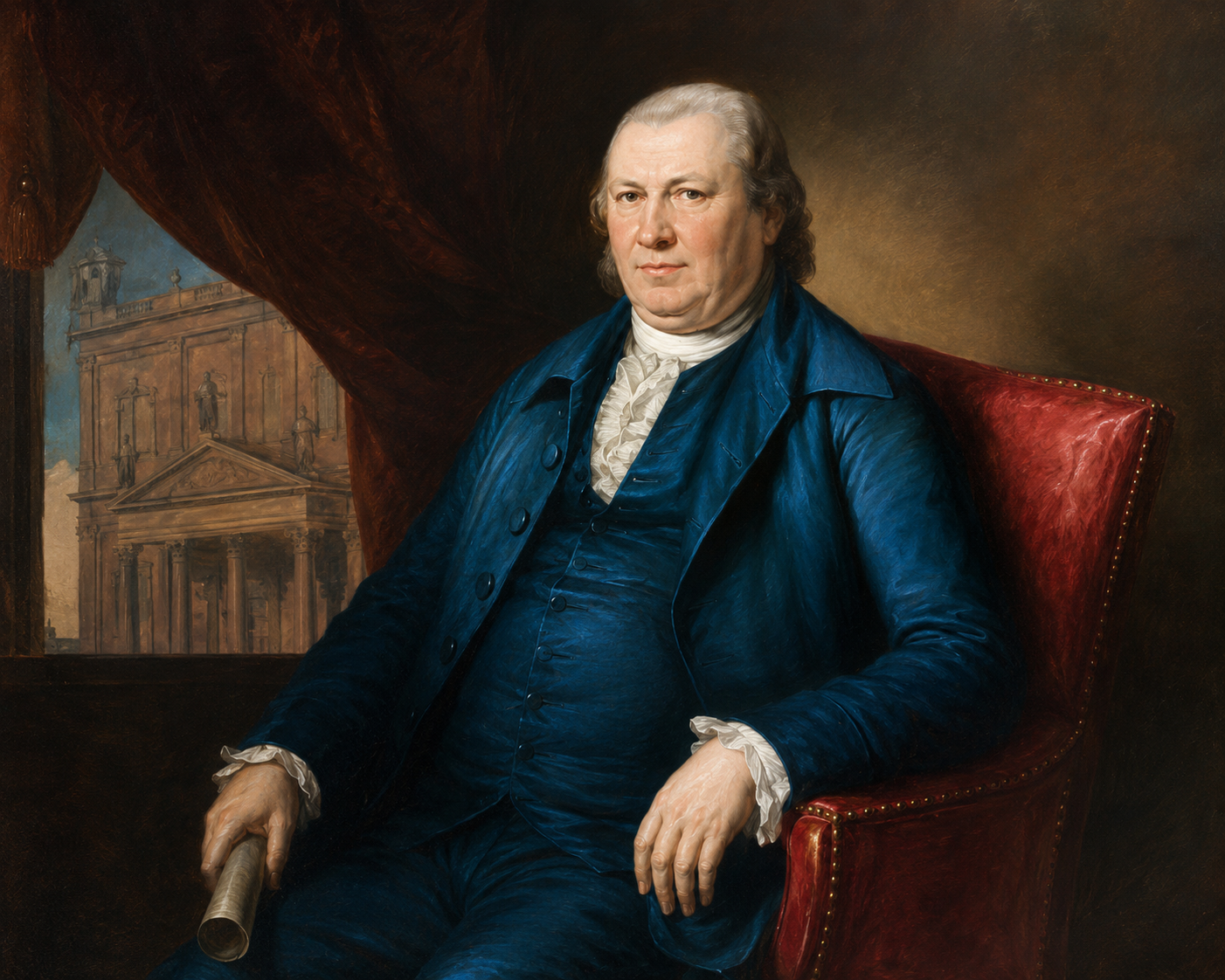
Robert Morris
His prosperity arrived during a period when the British Empire itself stood at the height of its power. The conclusion of the French and Indian War in 1763 left Britain victorious but heavily indebted.
Parliament attempted to recover those costs by taxing the American colonies through measures such as the Sugar Act, Stamp Act, and Townshend Duties. Morris initially hoped reconciliation remained possible, believing that continued trade with Britain benefited both sides of the Atlantic.
Yet as imperial policy grew increasingly rigid, he gradually concluded that economic freedom and political independence had become inseparable.