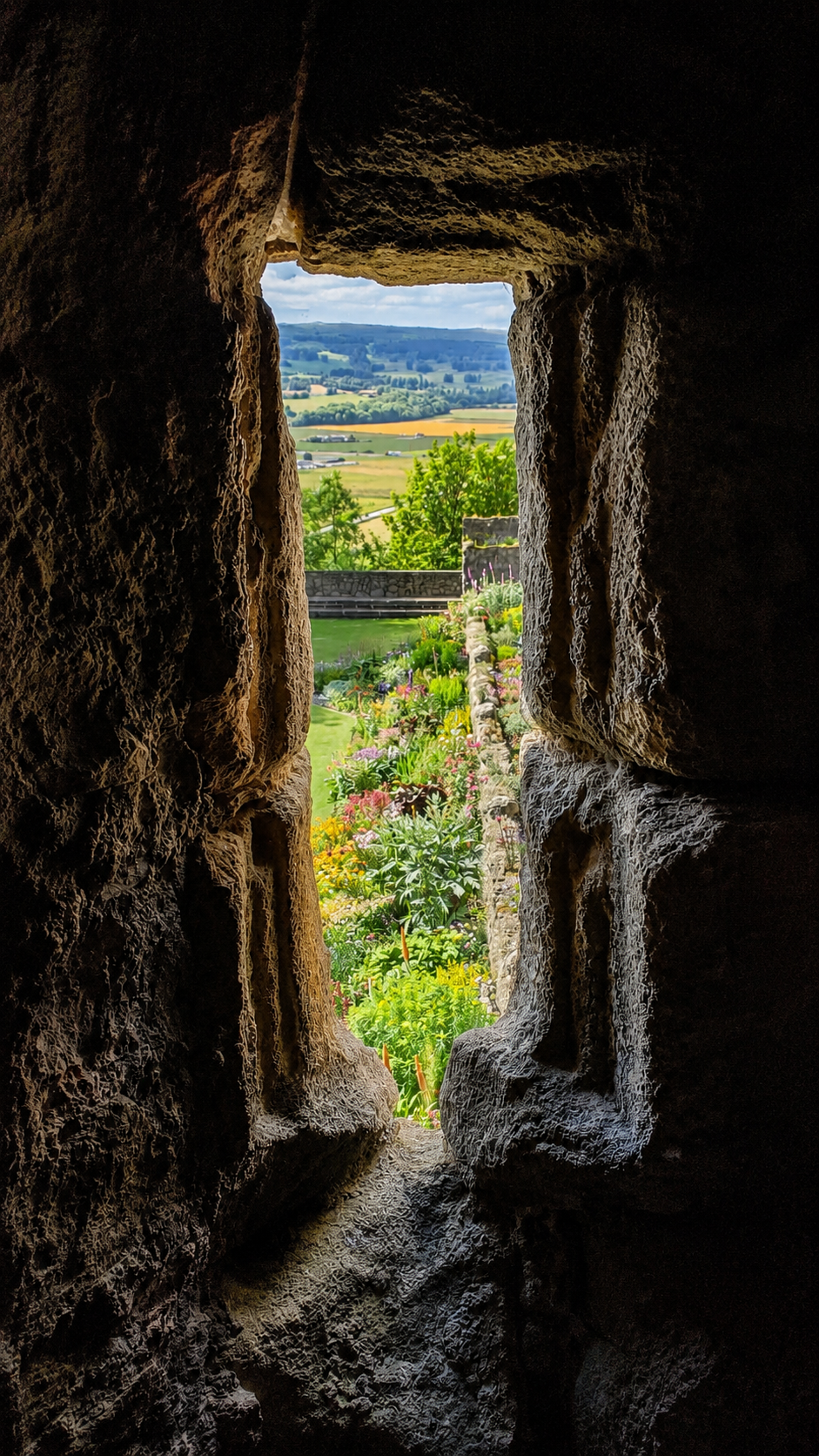
Microhistory is a specialized field of history that focuses on a single person or a hidden event to gain profound insights into the broader society of that era.
I transform intimate archival discoveries into gripping, epic narratives.
Meet the Author
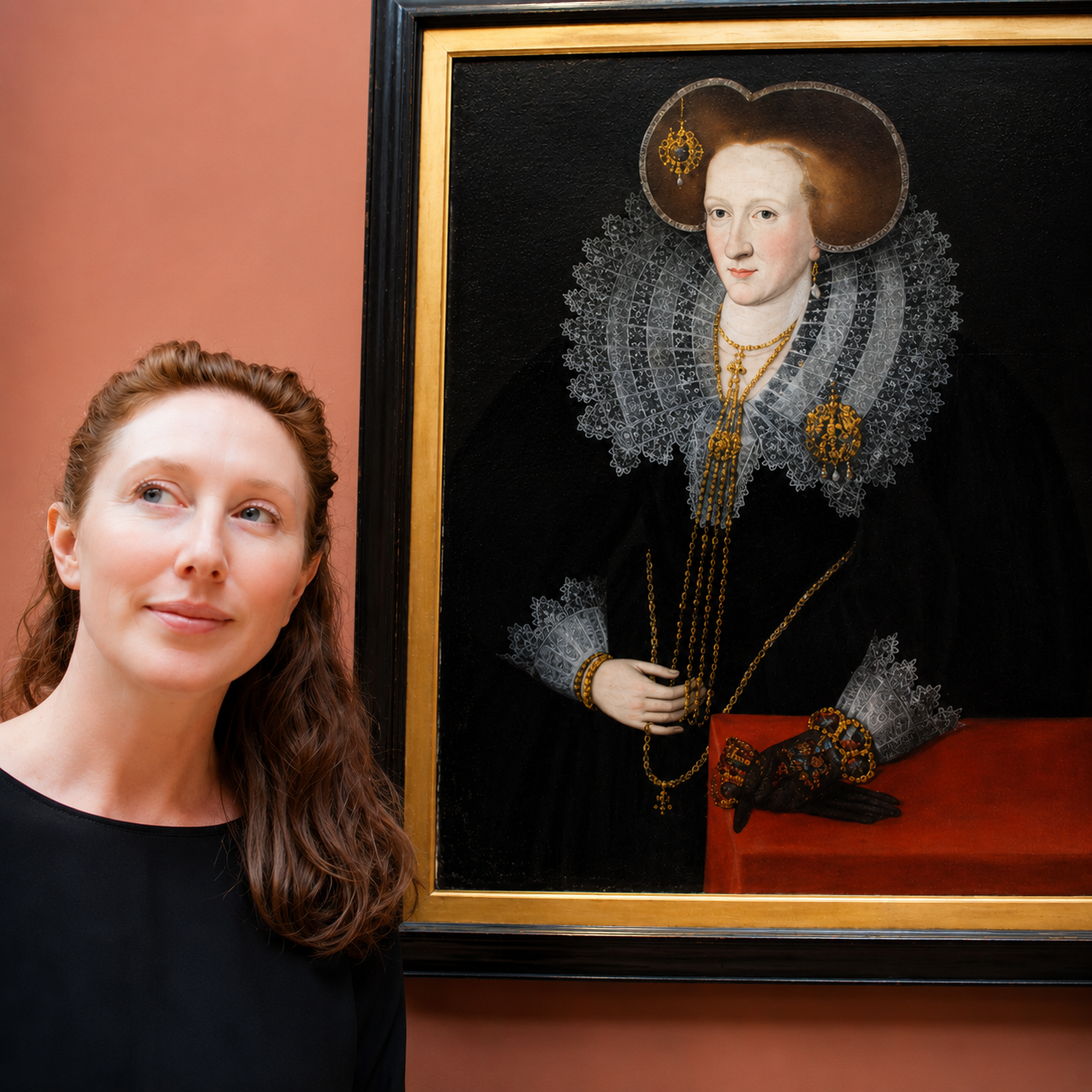
Krysta Abesamis is a writer focused on diaspora, Scotland, the American South, and historical biographies.
Her work begins in the archives—legal records, census pages, land deeds, probate files, tax lists, church registers, and other historical documents—reconstructing the lives behind them.
She writes at the intersection of social history and genealogy, tracing families across generations to understand not only where they lived, but the conditions they endured and the world surrounding them in time.
Her specialized approach to microhistory allows readers to experience momentous historical shifts through an intimate, deeply human lens—mapping the realities of ancestral migration, hazardous voyages across oceans, and the grueling terrain of early settlement.
Today, through MicroHistory Press, Krysta bridges rigorous genealogical research and cinematic storytelling. Each publication reconstructs individual lives within the larger forces of history, inviting modern readers to encounter the people whose migrations, hardships, choices, and survival shaped the generations that followed.
MY OVERFLOWING DNA
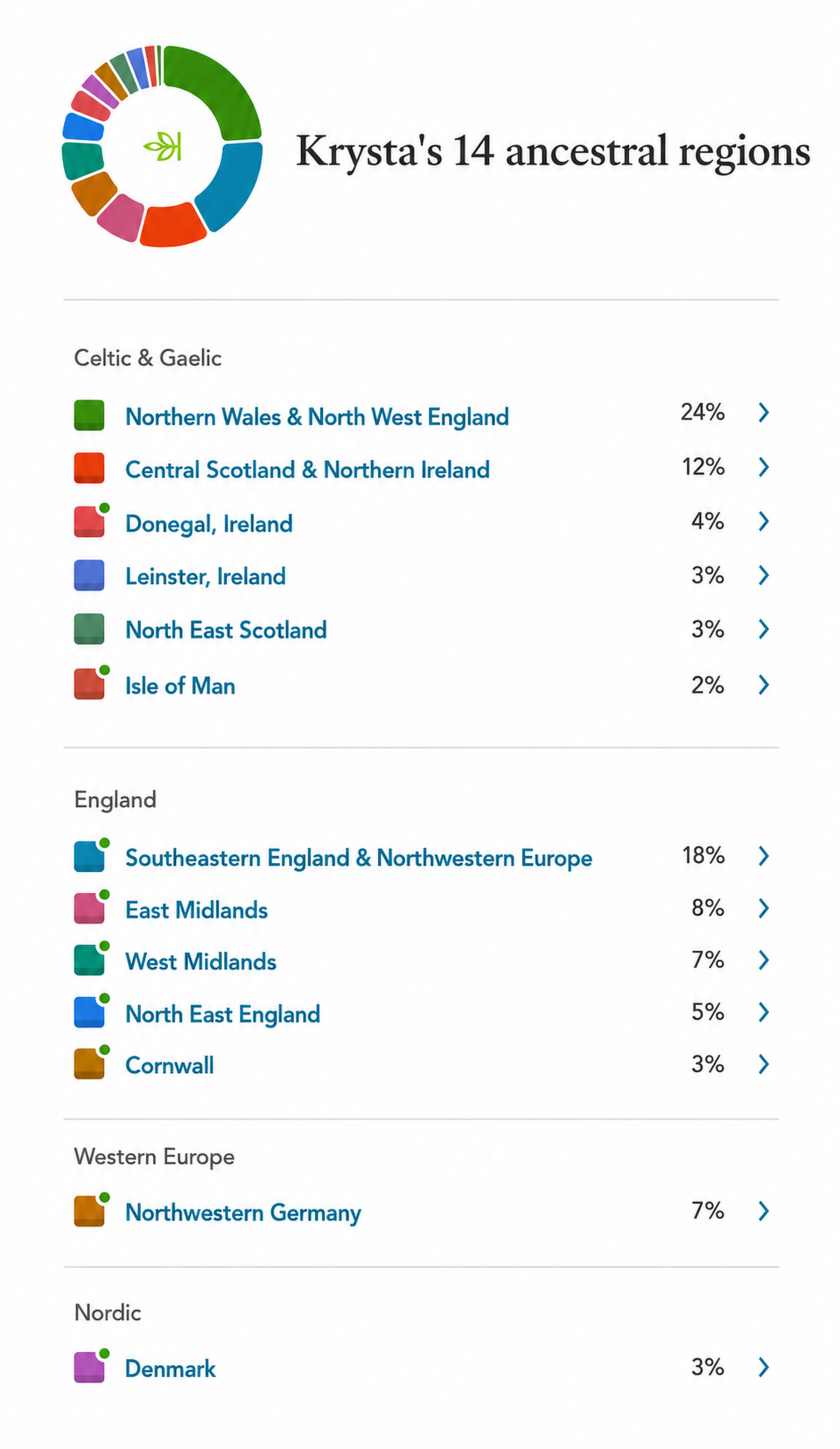
48% Celtic & Gaelic
41% English
The ancestral regions connected to Krysta Abesamis reveal a lineage deeply rooted in the historic migration world of the British Isles—particularly the interconnected cultures of the Scottish Borders, Ulster, northern England, and the Celtic-Gaelic regions that shaped generations of frontier families long before their descendants reached America.
Nearly half of her ancestry traces to traditionally Celtic and Gaelic regions, including central Scotland, northern Ireland, Donegal, the Isle of Man, Wales, and the old western Border country. These are the same regions historically tied to the Carruthers, Border Reivers, the Scots-Irish, and the Presbyterian migration worlds reconstructed throughout her historical work.
Additional ancestry linked to northwestern Germany and Denmark likely reflects older Anglo-Saxon and Norse influences carried into Britain over centuries of migration and settlement. Viking and Norse populations heavily influenced the Irish Sea world, including the Isle of Man, western Scotland, northern England, and parts of Ireland.
These traces remain common among descendants of old Border and coastal British Isles populations whose ancestry formed through centuries of overlapping migration patterns.
Together, the results form a remarkably coherent historical picture that closely aligns with the migration pathways documented throughout her family reconstruction work: from the Scottish Borders into Ulster, then into Pennsylvania, Appalachia, and the American South.
Rather than representing a single, isolated heritage, the lineage reflects the broader frontier populations that shaped the Scots-Irish diaspora carried across generations into early America.
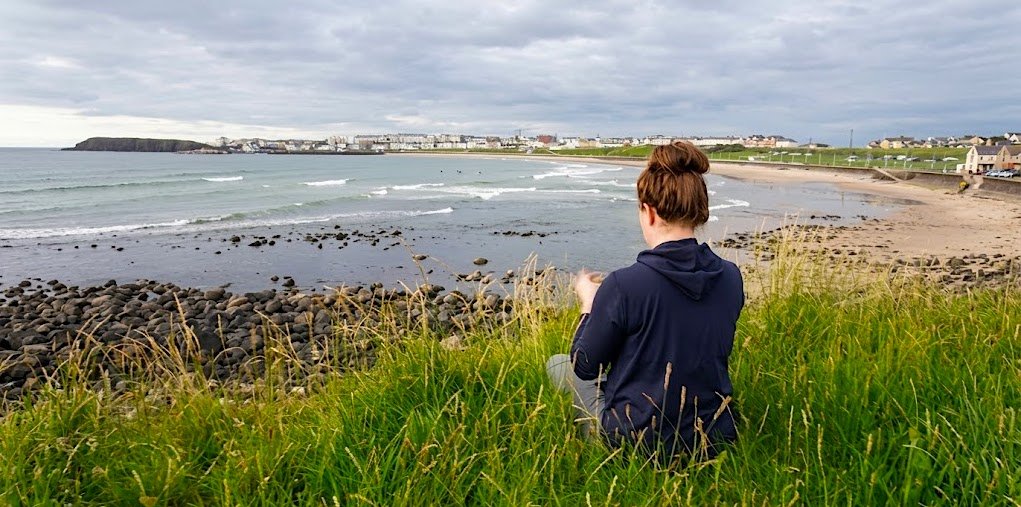
Portrush, Ireland
Short stories, big Impact.
History is not a sealed monument of dates and kings — it is a landscape filled with hidden doorways. When we slow down and look closely through the surviving records of ordinary lives, an overlooked world begins to emerge. Microhistory is the practice of opening those small archival windows and using a single life, family, or forgotten moment to illuminate the larger story of the past.
While traditional history often focuses on empires, wars, and political power, microhistory turns toward the quieter spaces history books frequently leave behind. It is found in probate files, tax ledgers, court records, fading letters, church books, and the scattered traces left by everyday people. Through those fragments, the past becomes personal again — revealing how individuals worked, migrated, struggled, endured, raised families, and survived the world around them.
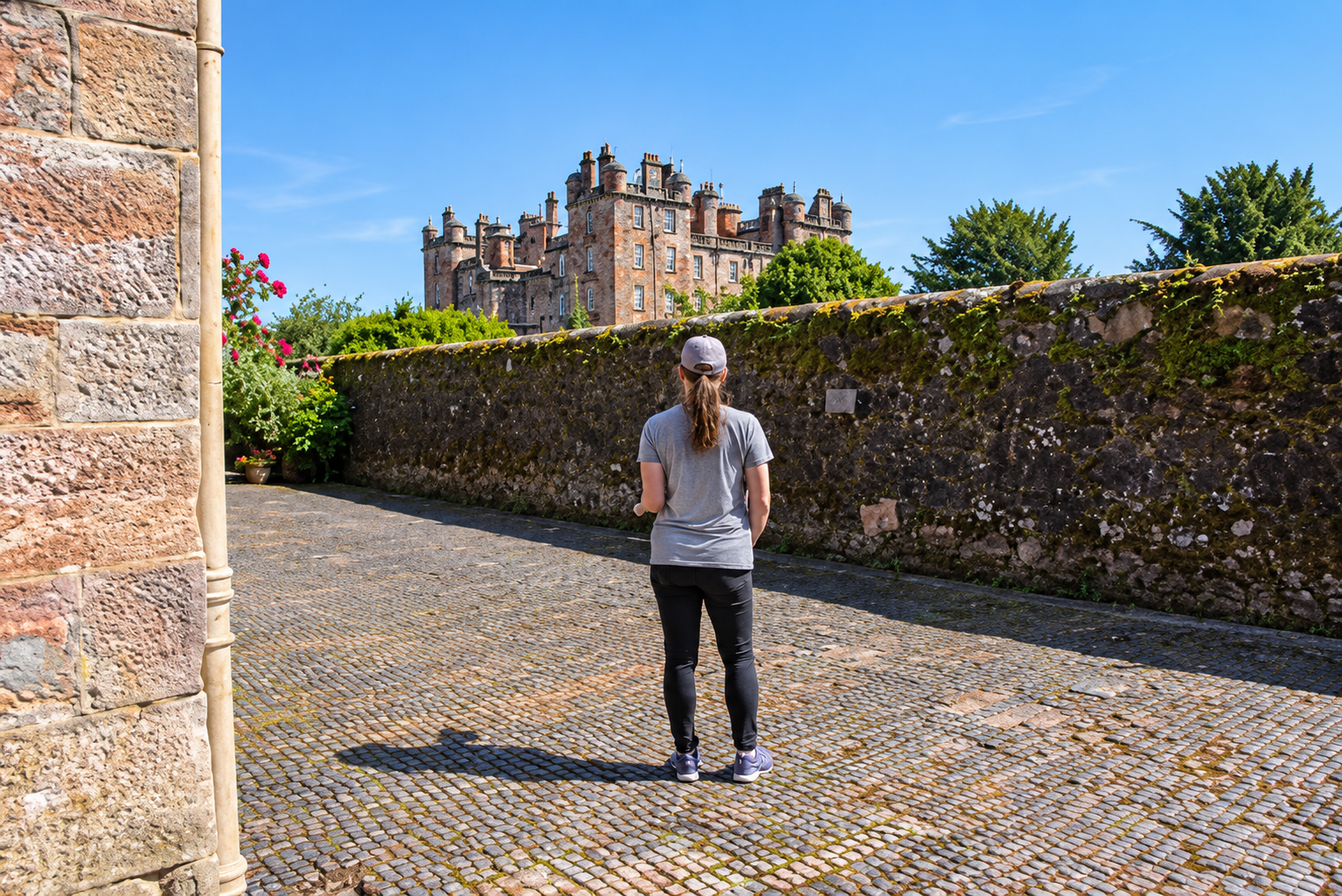
Drumlanrig Castle