

My Ship Dudes · James Carruthers
For ordinary farming families, these struggles were not distant political debates. They influenced local security, trade, taxation, and everyday life. The American colonies increasingly represented something different.
They offered inexpensive land, religious freedom, and opportunities beyond those available within Scotland's crowded tenant system. Like many Presbyterian families of his generation, James Carruthers is believed to have looked westward.
The colonies were rapidly becoming a beacon for families throughout Britain, offering inexpensive land, expanding frontier settlements, and opportunities that no longer existed within Scotland's increasingly crowded tenant system. Migration rarely began with isolated individuals. Instead, it unfolded through neighbors, relatives, and congregations who crossed the Atlantic in successive waves, encouraging others to follow after hearing reports of fertile land and growing settlements in Pennsylvania.
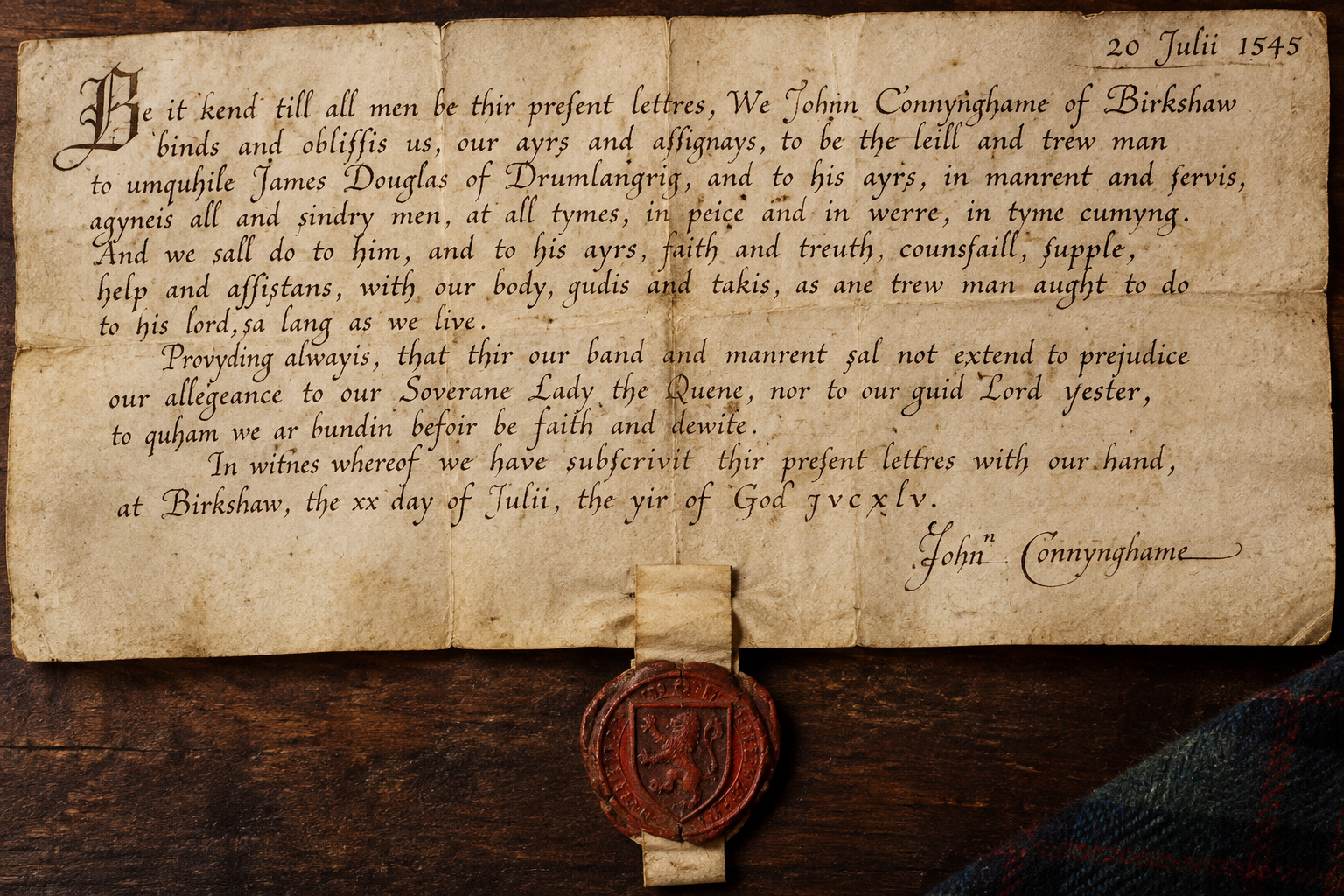
Bonds of Manrent
It was a written agreement in which one man promised loyalty and service to another, usually someone more powerful. The wording varied, but the idea was fairly plain: I will stand with you, advise you, help you, and serve you. In return, the other man might offer protection, influence, money, land, or the security that came from belonging to a powerful following.
These were not necessarily agreements between equals. A small laird attaching himself to a great Border lord knew exactly what that lord’s name could mean. If there was a dispute over land, an enemy at the gate, or a feud gathering around him, he was no longer standing alone.
My Ship Dudes · Samuel Luckett
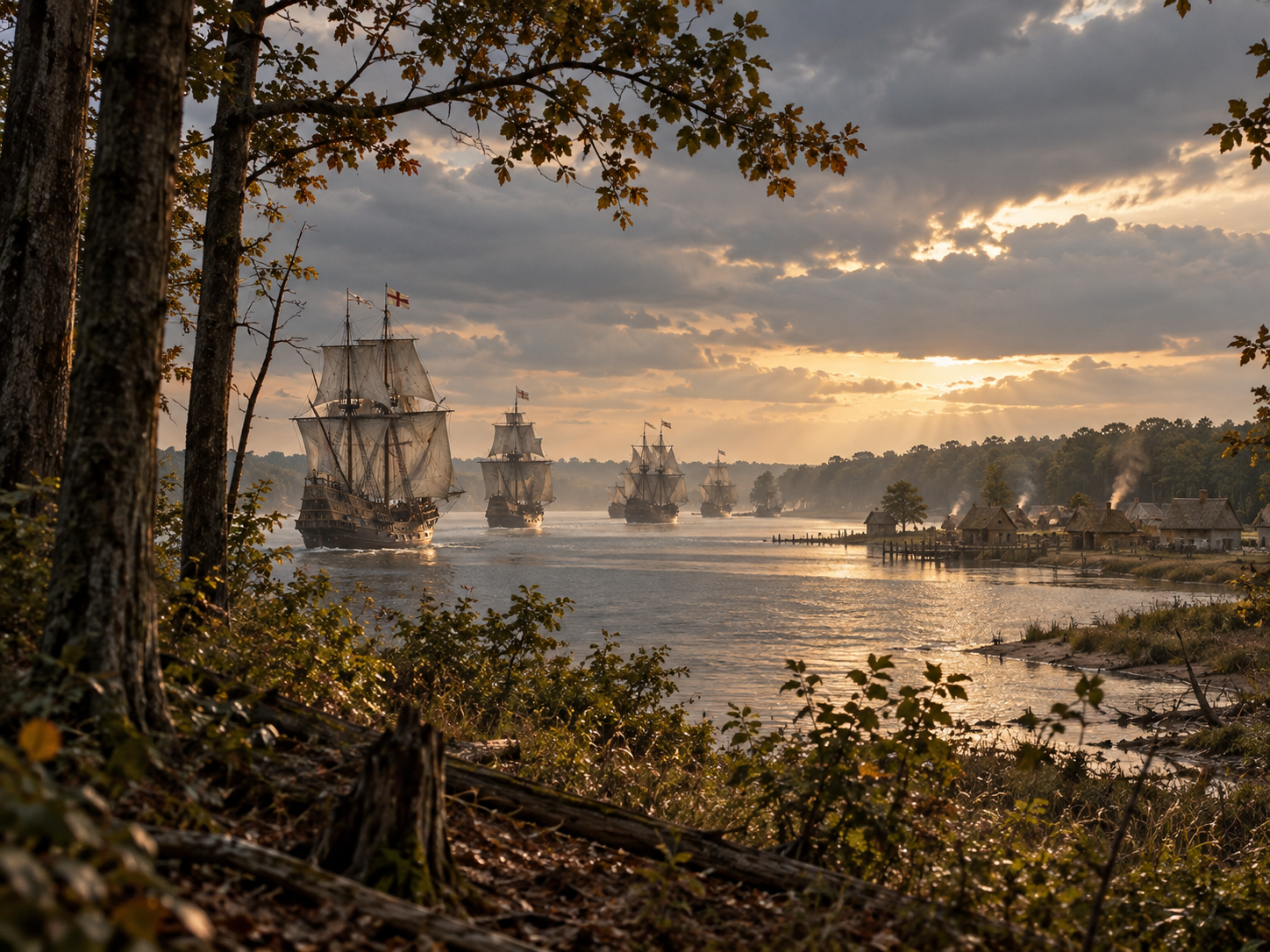
The Potomac was a huge highway along the western edge of Charles County, with smaller waterways reaching inland. Creeks, rivers, and great stretches of woodland broke up the countryside. The region around Port Tobacco had been home to the native Potapaco people. By Samuel’s lifetime, disease, colonial expansion, and displacement had dramatically reduced the Indian population.
Sam received 830 pounds of tobacco for his service in the Nanticoke Indian War in November 1678 and bought himself some land.
Samuel’s land was around Zekiah Swamp, the wooded wetland that ran roughly twenty miles through Charles County before draining into the Wicomico River. In the 1680s, the land was undergoing enormous, often violent change.
Port Tobacco sat within a network of creeks and plantations, with roads and waterways connecting families. On 12 August 1684, Samuel also bought land associated with a tract called Johnson’s Choice; they completed the transaction in tobacco.
Pounds of tobacco could function much like money, paying debts, purchasing land, and compensating people for services.
2nd of Holmains
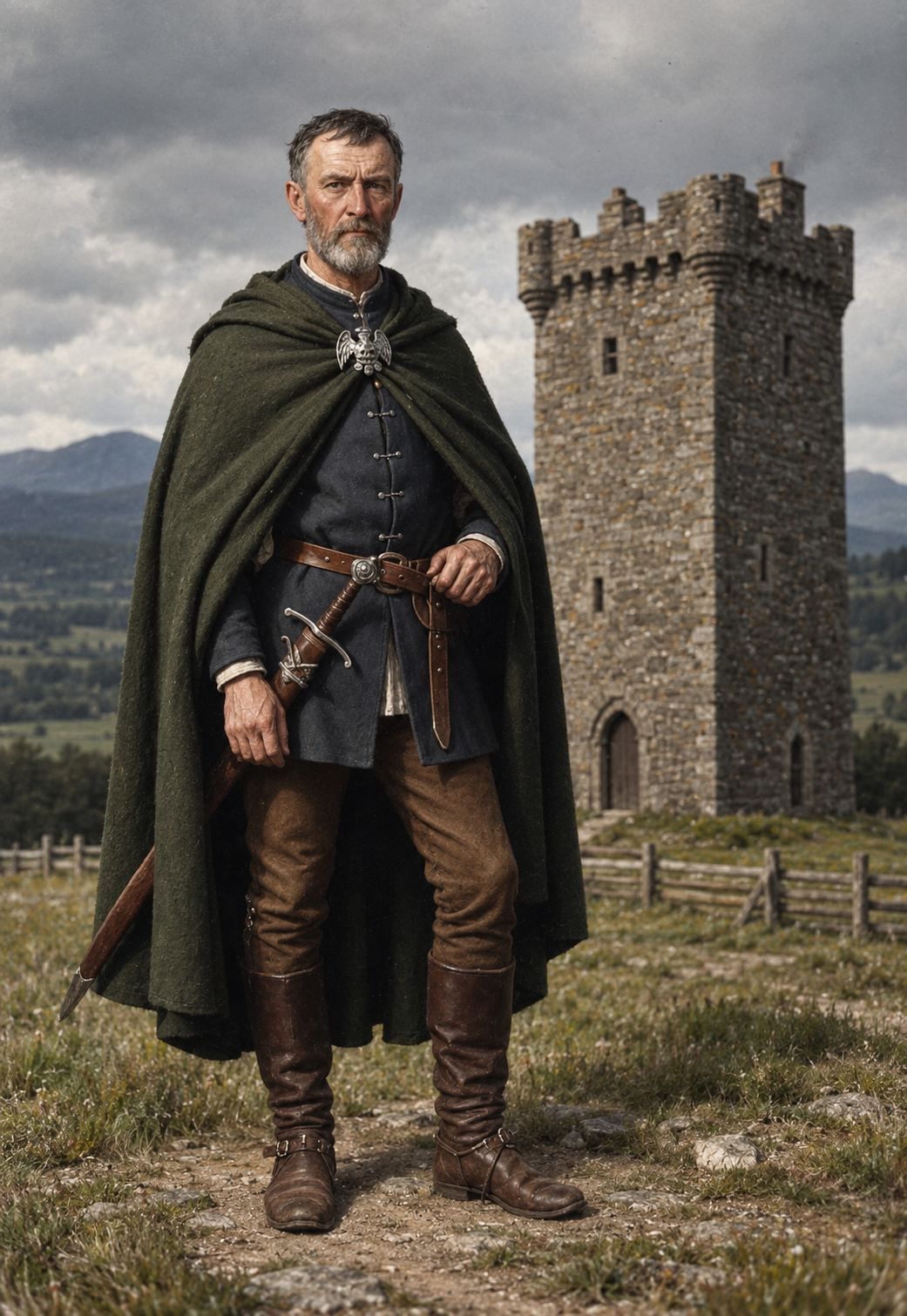
By 1426, John was holding his lands under Archibald Douglas, 5th Earl of Douglas.
In return, John owed feudal obligations attached to the land grant.
John’s land interests include Holmains and Little Dalton, Ecclefechan, Plewlands, Copwood, Bengahill, Moffat, Tundergarth, Glaisters, Newlands and Ruthwell. These weren’t all neighboring fields. They were scattered across the countryside, stretching north toward Moffat and south toward the Solway.
I find language in the old record sounds wonderfully romantic today.
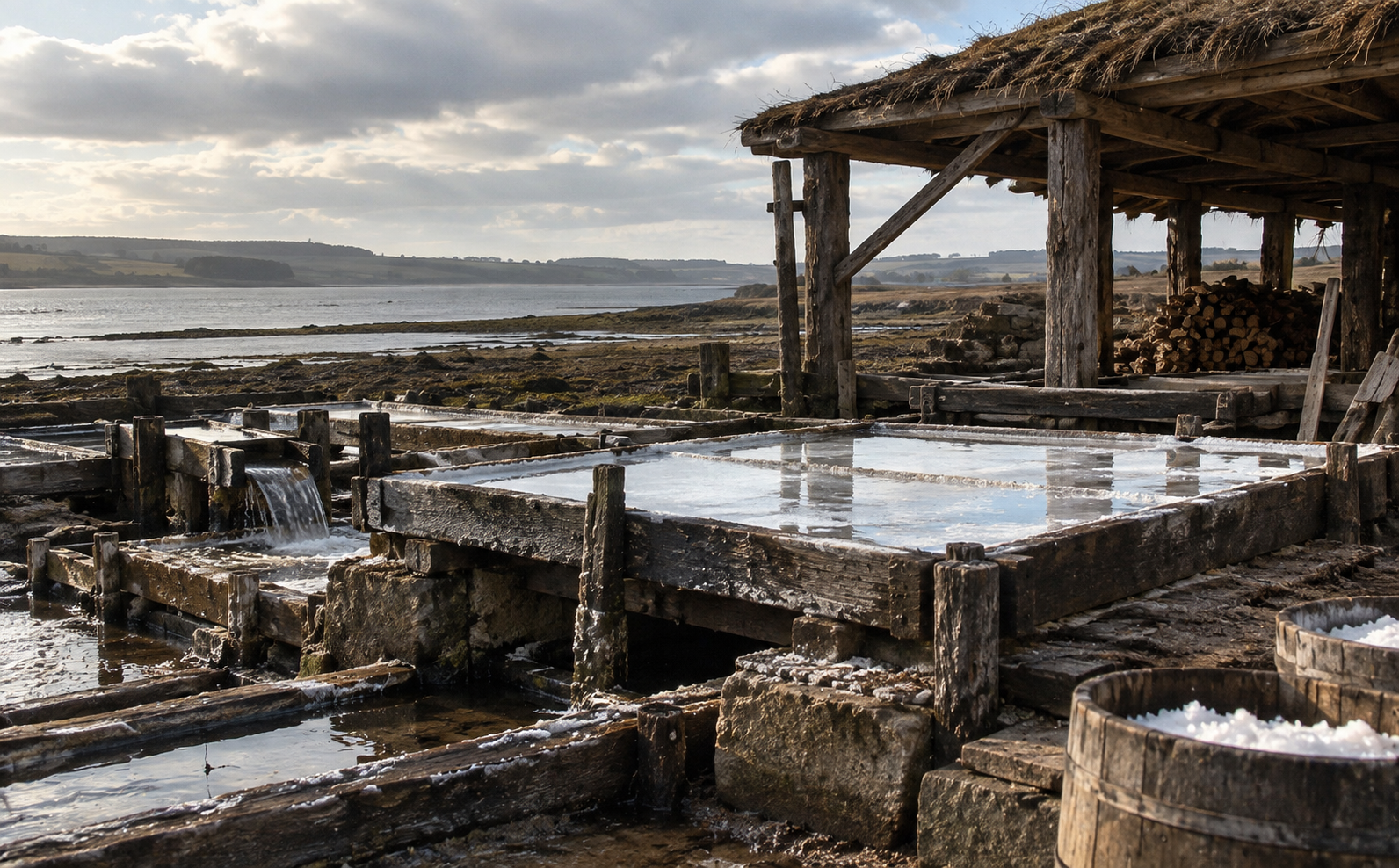
John held £10 lands at Ecclefechan, some merk lands elsewhere, something called ‘husbandlands’ at Ruthwell—and, tucked into the list, a saltcoat?
Land was commonly identified in value, while a husbandland was an agricultural holding associated with a tenant farmer.
So, the ‘little saltcoat at Ruthwell’ property is my favorite! What is it??
Galloway Folklore
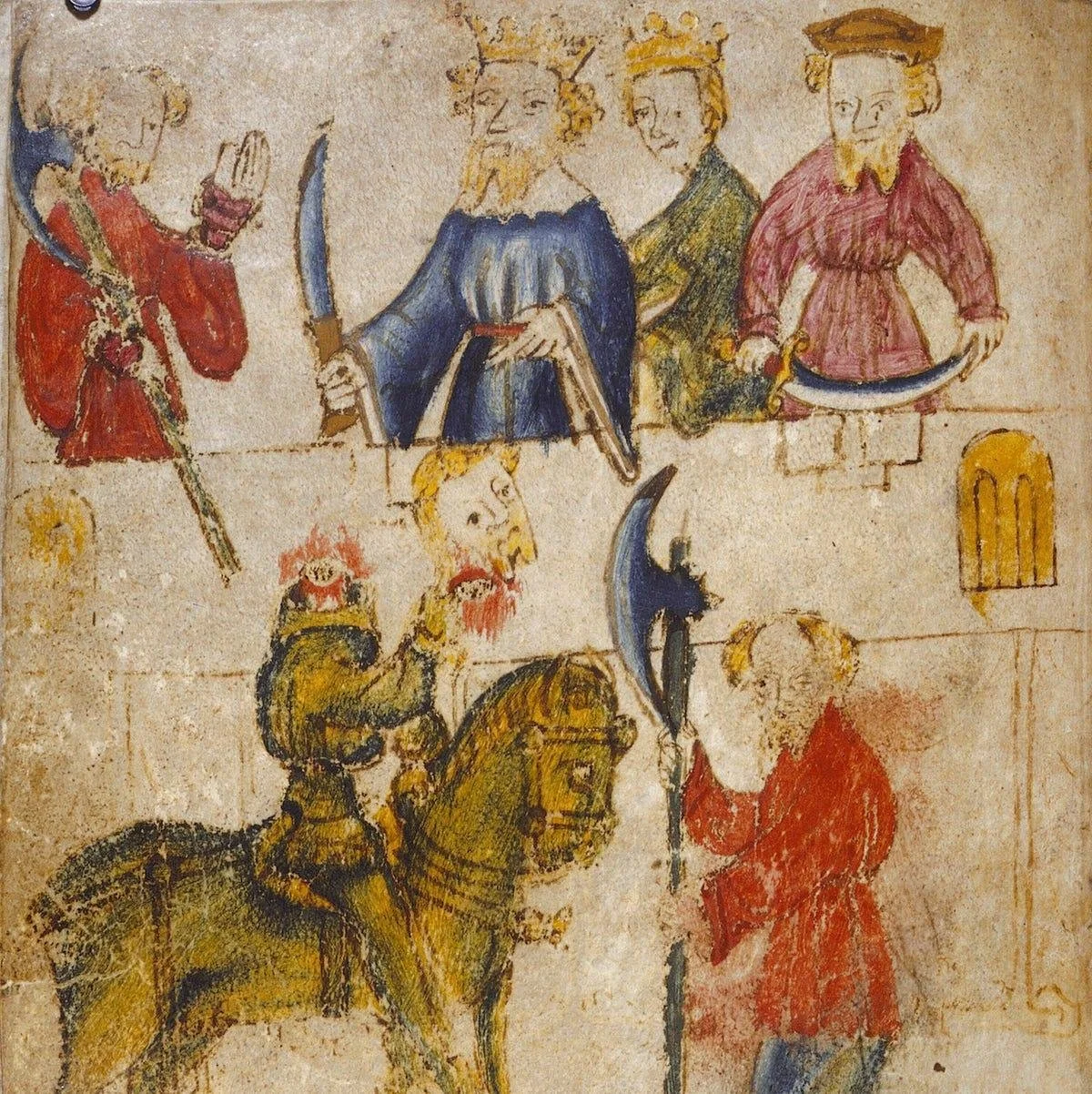
Historically, Galloway was a much older region of southwestern Scotland, with an identity that reached back centuries before today's county boundaries. Its heart lay west of Dumfries, stretching toward the Irish Sea.
My own ancestors were living in Dumfriesshire and Annandale, along the eastern edge of this Galloway world. People crossed these landscapes constantly. They married across parishes, crossed rivers, and carried stories. And this corner of Scotland gave those stories plenty to work with. To the south lay the Solway, with its dangerous tides and broad stretches of mud and sand. Inland were wooded glens and hills that could disappear into mist. Long before anyone called these stories “folklore,” generations of people were already living among them.
1st of Holmains
They regarded it as probable that he was a son of the John de Carrutheris who had received land from King David II in 1361.
In 1375 there was Roger de Carruthers receiving Holmains, Little Dalton and Fourteenaikerbank. Fifty years later a Carruthers controlled those properties and substantially more. Generation after generation thereafter can be followed through charters, retours, sasines, marriage settlements, lawsuits and testaments.
Eventually the descendants of this small fourteenth-century landed house would become the senior Carruthers line.
Lairds of Drumlanrig
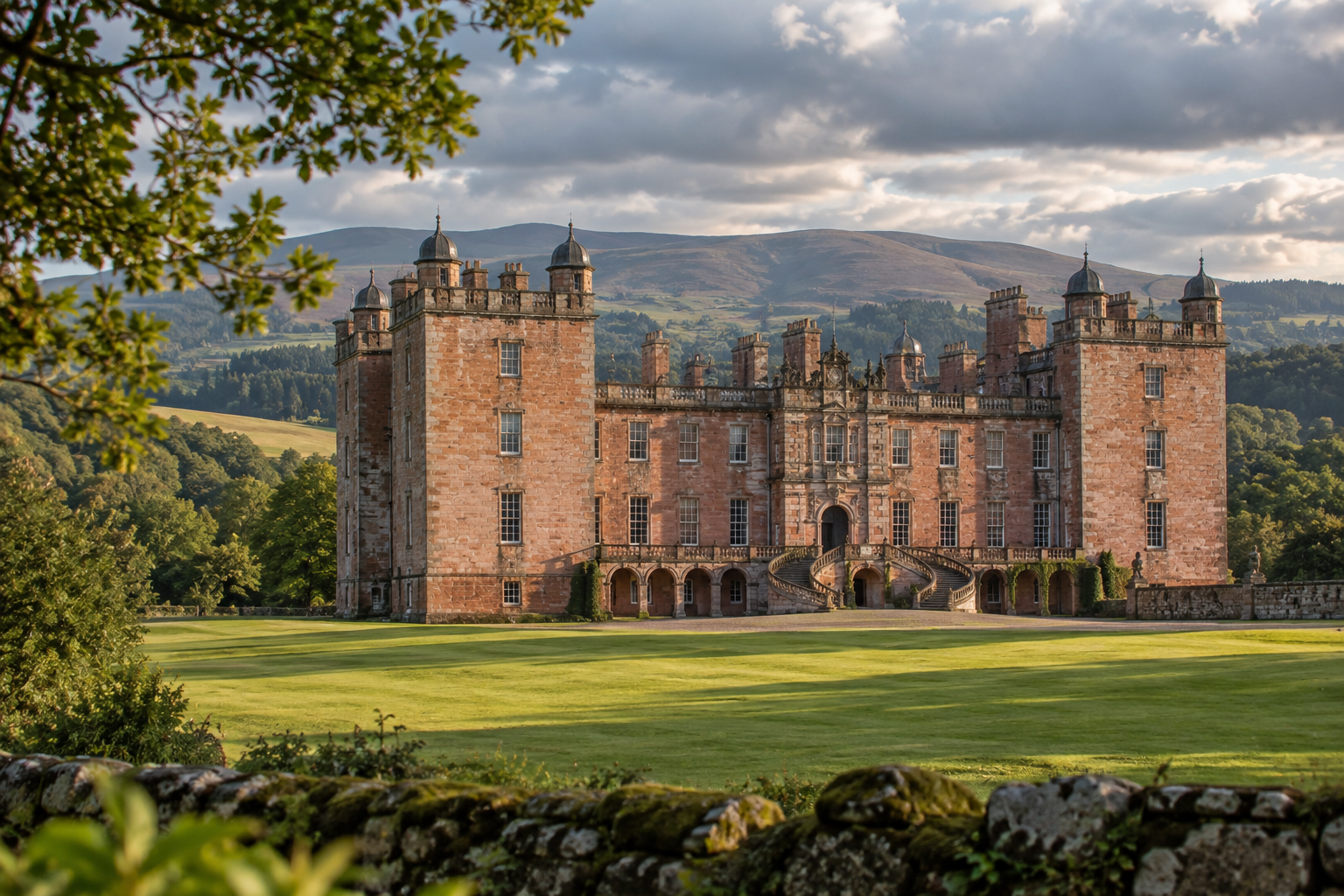
James had married Angus’s sister Margaret. Their children carried the blood of both Douglas houses, and the families were tied together by marriage as well as name. But being family did not mean standing together when politics turned ugly.
By 1526, Angus had gained control of the young king. James V was about fourteen years old, old enough to understand that although he wore the crown, other men were deciding where he went, whom he saw, and how Scotland was governed.
Not everyone was willing to leave him there.
That summer, Walter Scott of Buccleuch gathered men in an attempt to take the king out of Douglas hands. James of Drumlanrig joined him.
It was an extraordinary position for James to find himself in. He was a Douglas riding against other Douglases, including the family of his own wife.
Drunk History is Back🍸
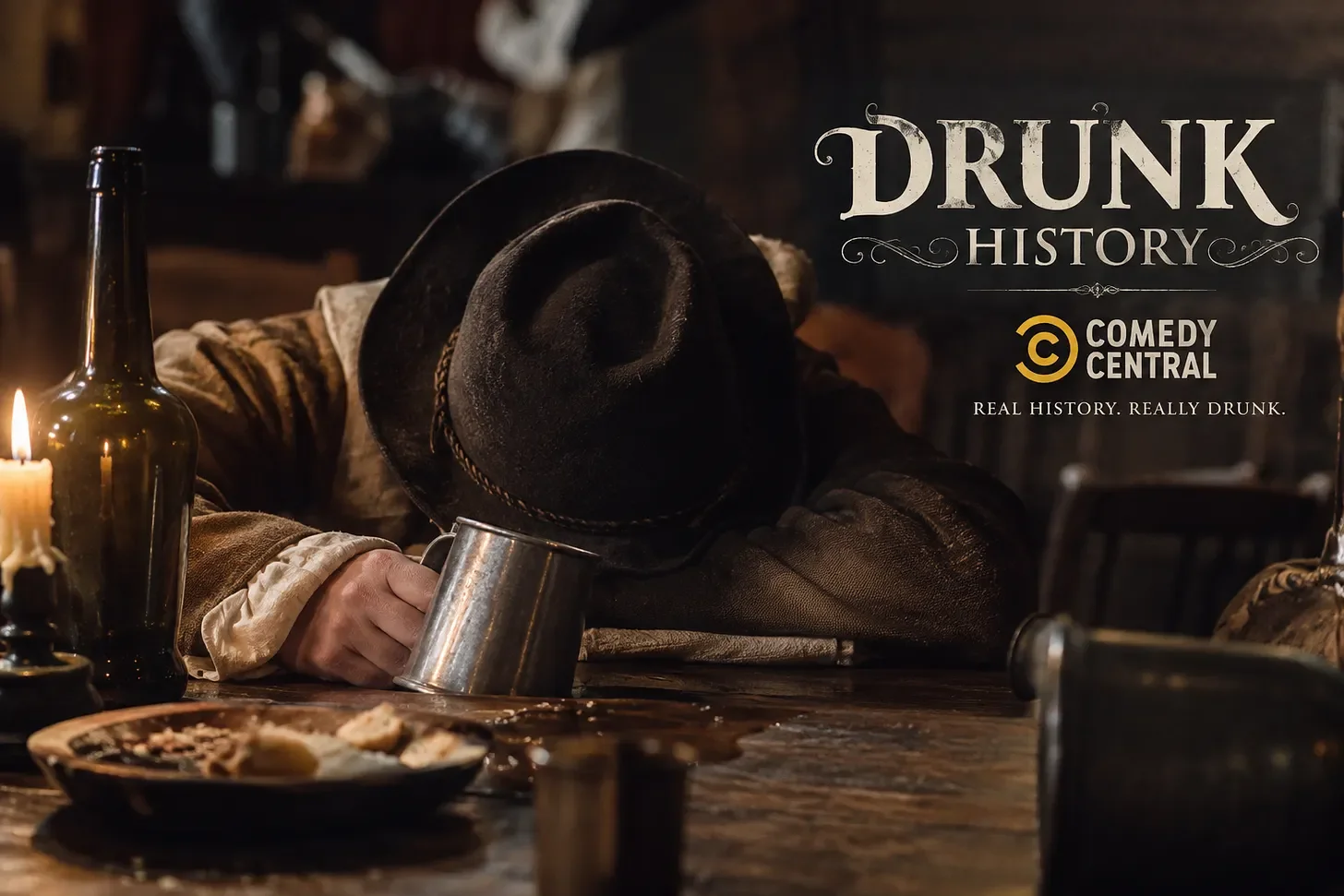
That’s one of the show’s great tricks. You sit down expecting to laugh, and twenty minutes later you realize you’ve become completely invested in someone who died 150 years ago. Awesome.
I understand that feeling very well.
There is also something wonderfully human about how these stories are told.
Academic history has its place, and good documentation matters enormously, but people have been passing history to one another around tables, fires, and drinks for a very long time. We don’t always begin with dates and footnotes.
We begin with, “You have to hear what happened to this woman.”
Then comes the story.
That’s the heart of Drunk History. And Now It’s Back
Microhistory Explained
Think your work might practice Microhistory?
Here is an example of using the Microhistory methods while writing;
1. Establish the person in the record. Begin with what surviving documents can actually establish before attempting reconstruction. Reduce the scale of investigation to a person, family, event, community, or other tightly bounded subject.
2. Build the chronology. Arrange documented events in sequence so that both continuity and gaps in the evidence become visible. Reconstruct the physical landscape in which the documented events occurred.
3. Expand outward from the individual. Investigate the people and institutions surrounding the subject because their records may preserve evidence the subject did not leave behind.
4. Reconstruct the immediate world. Use the history of the period and place to understand the conditions in which the individual lived. Bring together records, books, testimony, material culture, and comparable contemporary evidence without pretending that contextual evidence is personal evidence.
5. Separate fact from inference. Distinguish what the documents prove from what clues make probable, plausible, or merely possible. Historian Carlo Ginzburg’s writings on the evidential paradigm are particularly important here.

My Ship Dudes · John A. Knox
According to that account, John, Jean, and Patrick crossed the Atlantic in a sailing vessel, and the voyage did not go smoothly. Unfavorable winds prolonged the crossing to three months. Before they reached America, their water and provisions ran short. Patrick supposedly left Ireland wearing a new pair of buckskin breeches that fit him tightly. After three months at sea, with food running short, the breeches were considerably looser when he stepped ashore.
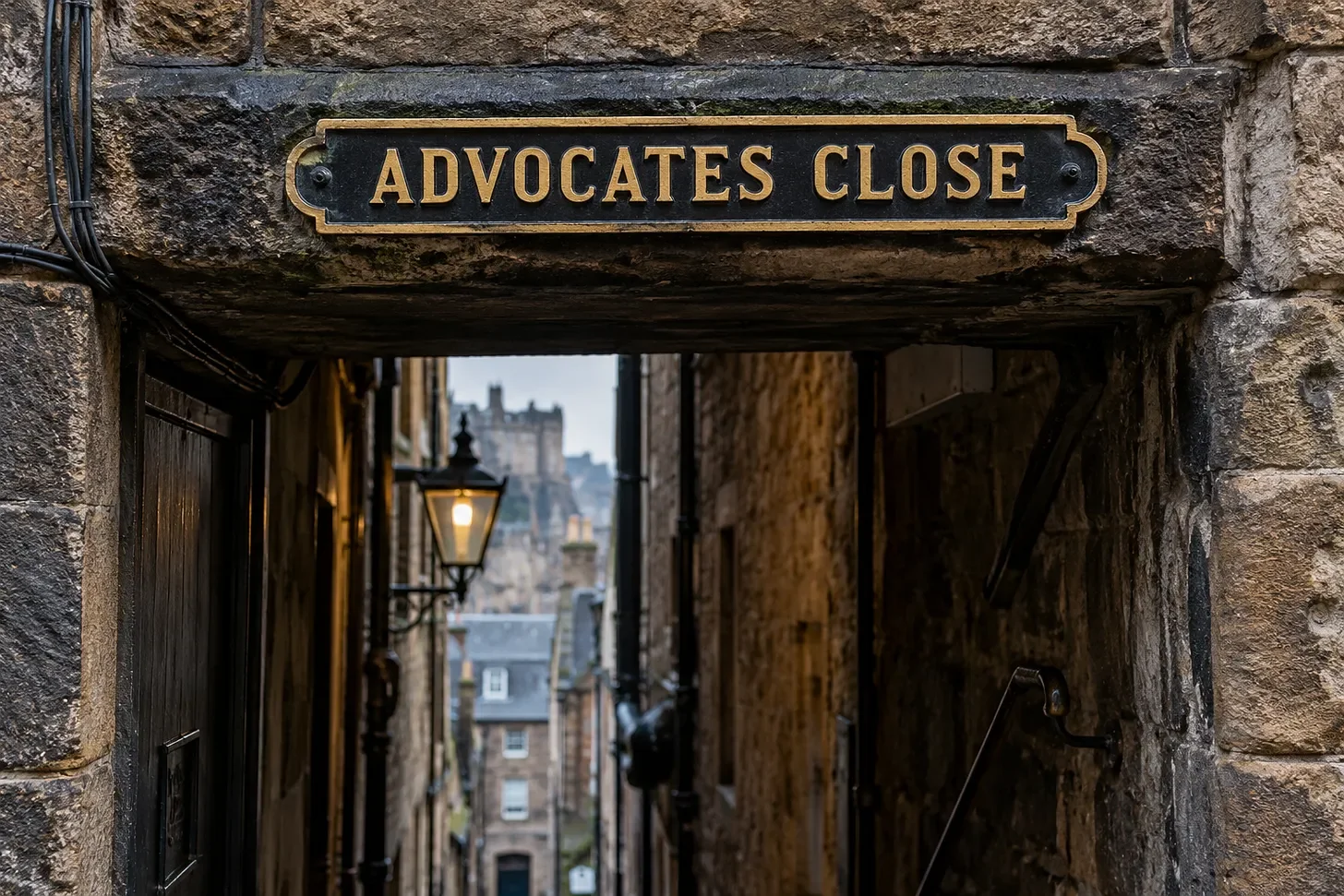
Hello from Advocates Close
The High Street was laid out with long, narrow burgage plots running off it. Over time, access lanes developed between and through these plots—the ancestors of the closes we recognize today. The closes grew organically as medieval property behind the High Street was divided, occupied, and increasingly built upon.
But the stone buildings and stairs are much later. The west-side excavation uncovered a tenement built in the late 1500s, complete with cellar floors, a corbelled cellar roof, and a turnpike stairwell—a spiral stair contained within the building. Archaeologists date that stair as part of the late-16th-century tenement complex. It wasn’t originally the big open flight of steps we experience today; it was part of the house itself.
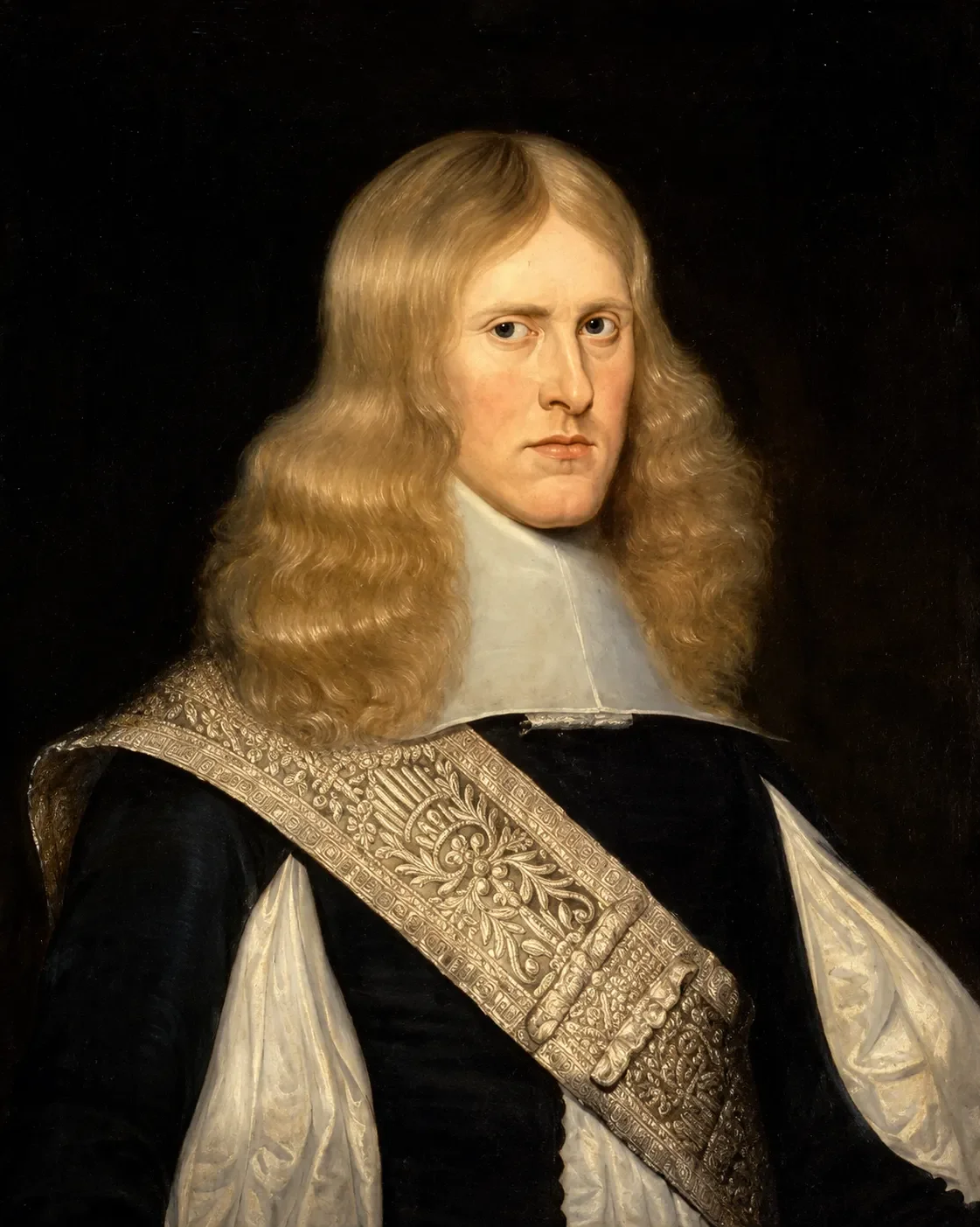
Guillotine Destiny
In 1685, following the death of Charles II and the accession of King James VII & II, exiled Protestant nobles tried again to overthrow the new king. Argyll partnered with James Scott, 1st Duke of Monmouth—the illegitimate, Protestant son of Charles II—in a joint uprising. And that was a very, very bad decision!
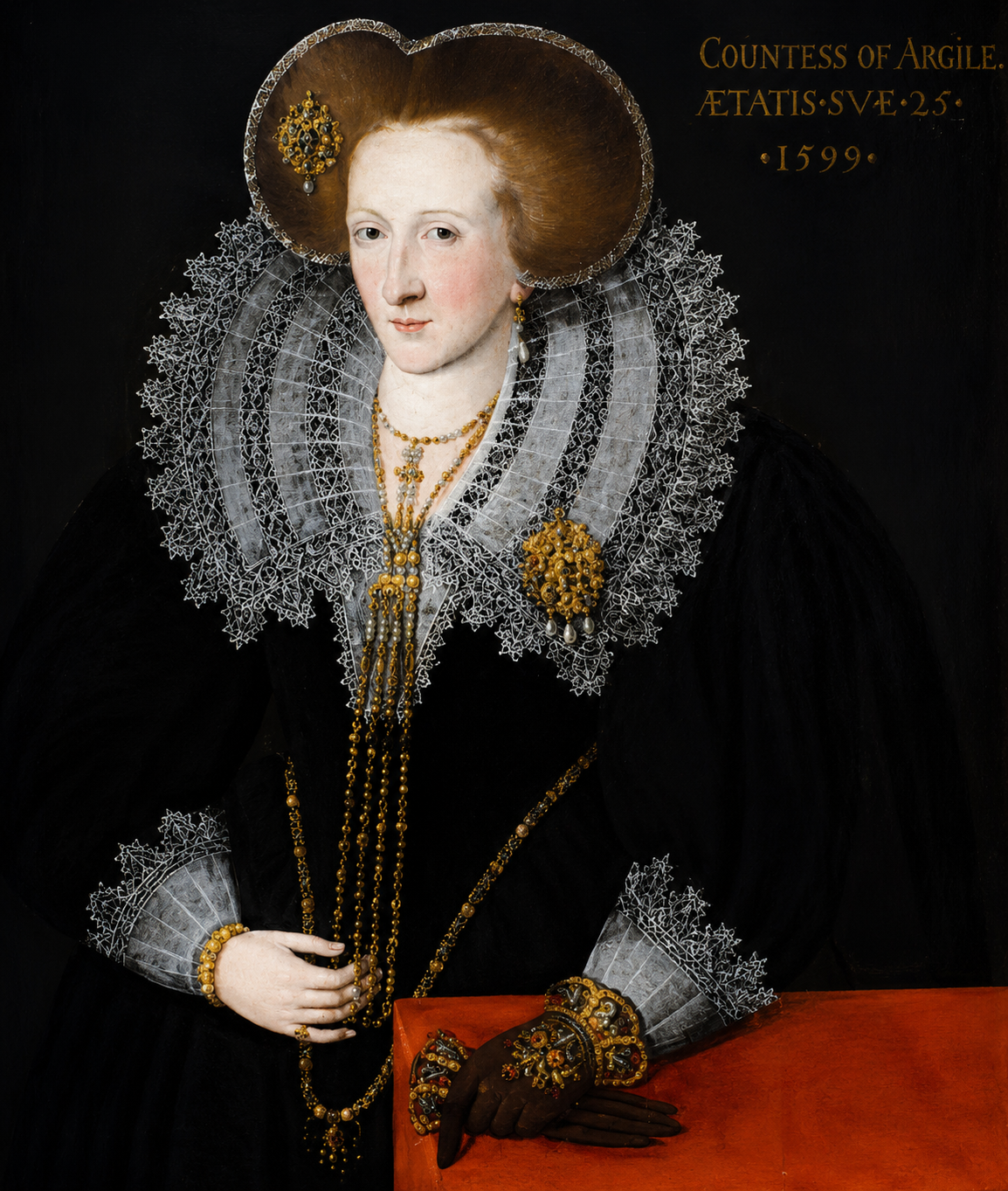
A Pearl of Lochleven
“Known throughout Scotland as the “Pearls of Lochleven,” Agnes Douglas Countess of Argyll and her sisters became renowned for their beauty, noble bearing, and powerful family connections during the late 16th century. The name emerged from the Douglas court surrounding Lochleven Castle and the Earls of Morton, where the daughters of the house were admired among Scotland’s noble circles and royal society. In a world where reputation traveled through court correspondence, noble marriages, royal visits, heraldic alliances, and word carried between castles and estates, the title spread far beyond Lochleven itself.”
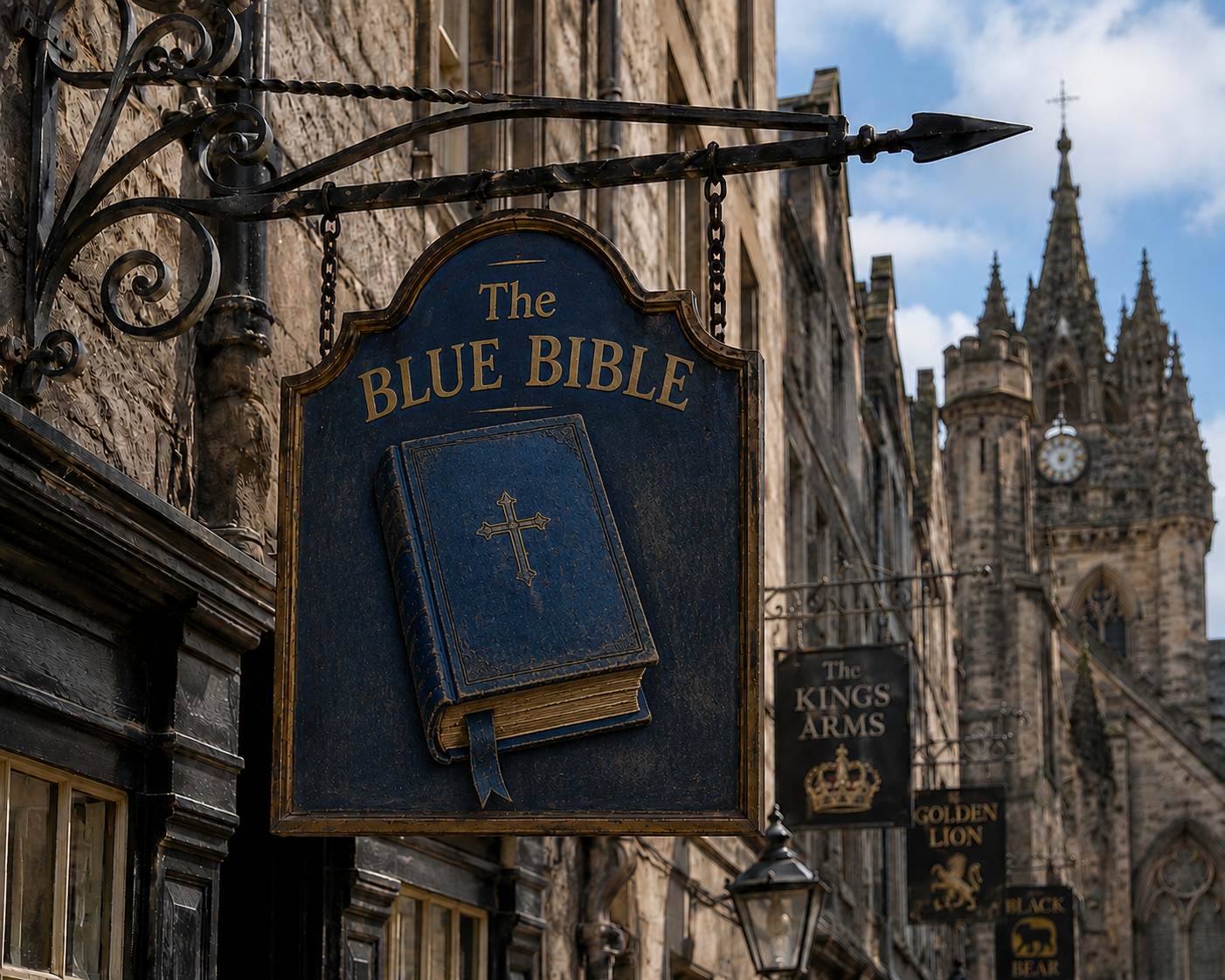
Gideon Shaw · Edinburgh Bookseller
Gideon Shaw was the owner of a bookshop on Parliament Close called ‘The Blue Bible’ 1670-1687.
A surprisingly substantial bookseller whose commercial relationships stretched beyond Edinburgh and whose family and business connections would continue to matter after his death.
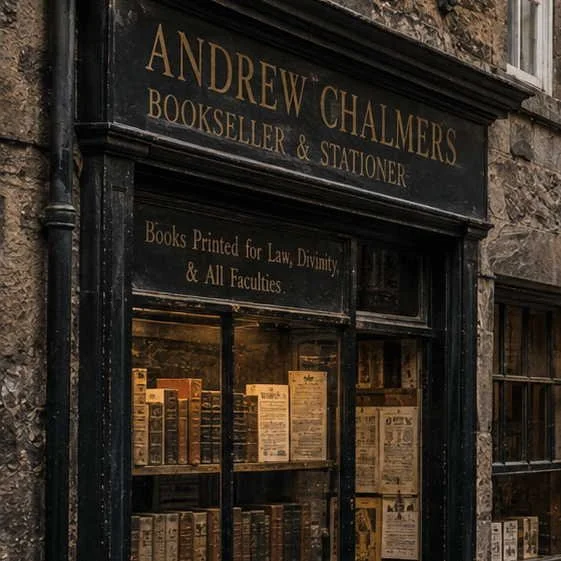
Andrew Chalmers of Parliament Close
Each morning almost certainly began before sunrise. Apprentices unlocked heavy wooden shutters, swept the shop floors, unpacked newly printed books arriving from the city's presses, balanced ledgers recording customers' purchases, and prepared orders for delivery throughout Scotland. Lawyers stopped in before court to obtain recently published legal treatises. How cool! Ministers searched for new sermons and theological works. Students browsed educational texts while country gentlemen visiting the capital carried books home to estates scattered across the kingdom. Throughout every day, Andrew watched ideas move from printers to readers, gaining an education that reached far beyond the simple mechanics of selling books.
For the young man who had left the quiet fields of Dam only weeks before, Parliament Close had become an entirely different kind of classroom.

The Girl, Bacon Level & the Chattahoochie
At twenty-seven years old, their eldest son, Emers, was laboring as a tubber in the mill’s dye house. Eighteen-year-old Ella and sixteen-year-old Anna were spending their days on the factory floor as cotton mill spoolers, while twelve-year-old Millie was already contributing to the family income as a cotton spinner!
Working in a spinning room at the Lanett Mill was loud, hot, dusty work. The machines ran for hours at a time; the clatter was so constant that workers often had to shout or use hand signals to communicate. Fine cotton fibers floating through the air and settling on your clothing, hair, and skin, breathing that dust day after day! As a spinner, Ella would have spent most of her shift on her feet, watching rows of moving spindles, repairing broken threads, replacing bobbins, and keeping the machinery going. The mill whistle decided when the day began, when there was a break, and when everyone could finally go home.
Orphan Trains
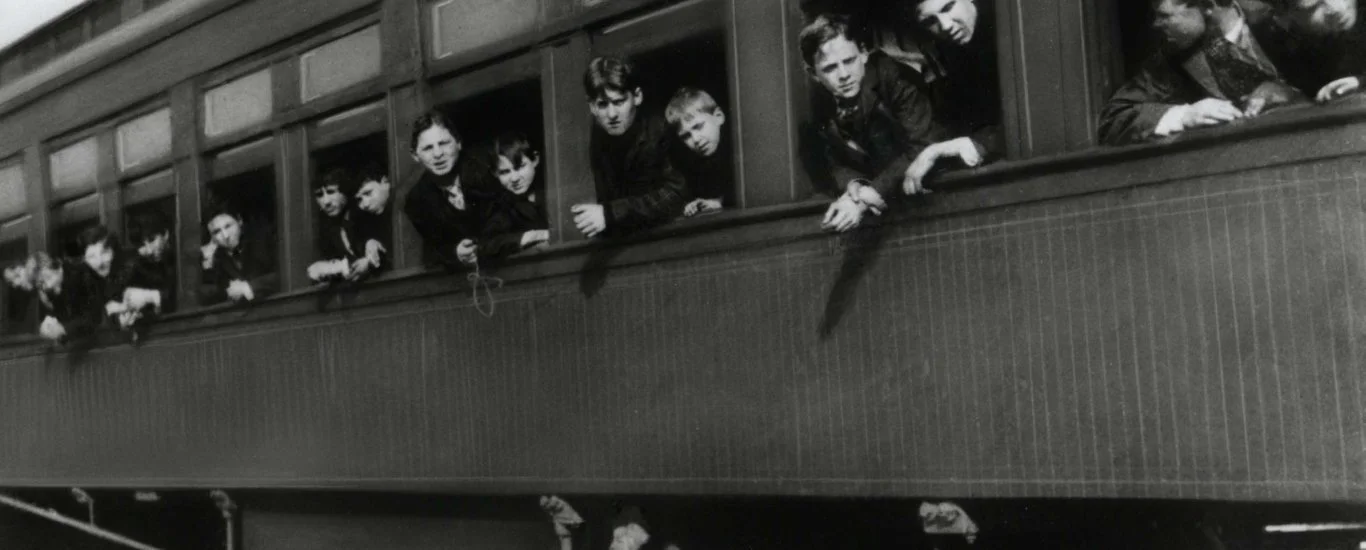
By the middle of the nineteenth century, the city was growing at a staggering pace. Immigrants arrived by the thousands, families crowded into tenements, and poverty could turn desperate very quickly. A death, illness, accident, or lost job might leave a family without rent money or enough to eat. There was no modern welfare system to catch them.
Children felt it immediately. Some sold newspapers, matches, or flowers. Others begged, scavenged, worked, or slept in alleys and lodging houses. Some still had parents and homes, but their families were barely hanging on.
That distinction matters: not every child who boarded an “orphan train” was actually an orphan.
Robert Carruthers Jr.
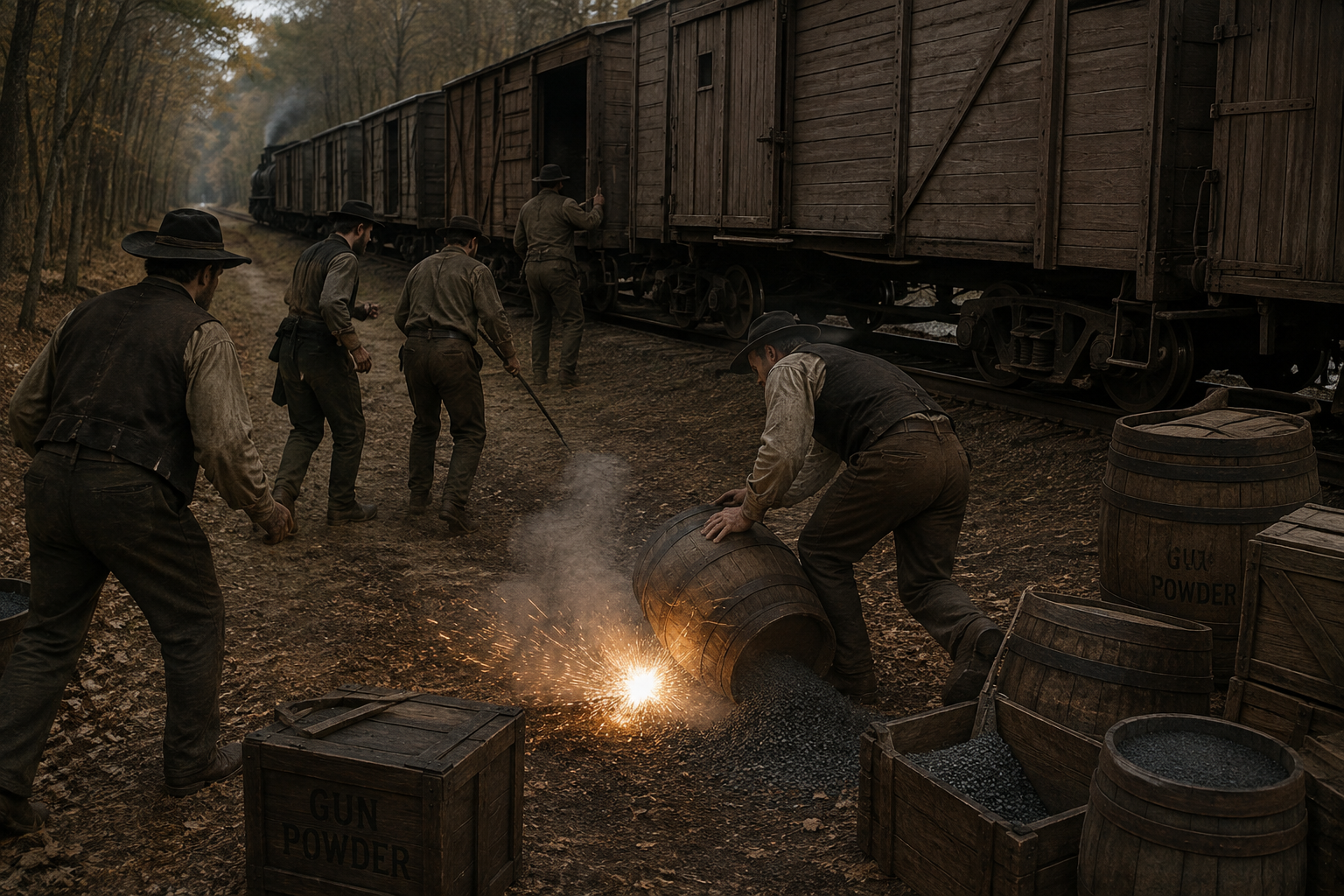
Among the children of Robert Carruthers Sr. and Margaret Gillespie, none leaves a clearer documentary trail than Robert Carruthers Jr. (1763-1828).
Follow his life from Revolutionary North Carolina through early Tennessee using military records, federal censuses, migration evidence, and probate proceedings that preserve one of the family's best-documented frontier stories.
The Coffin Ships
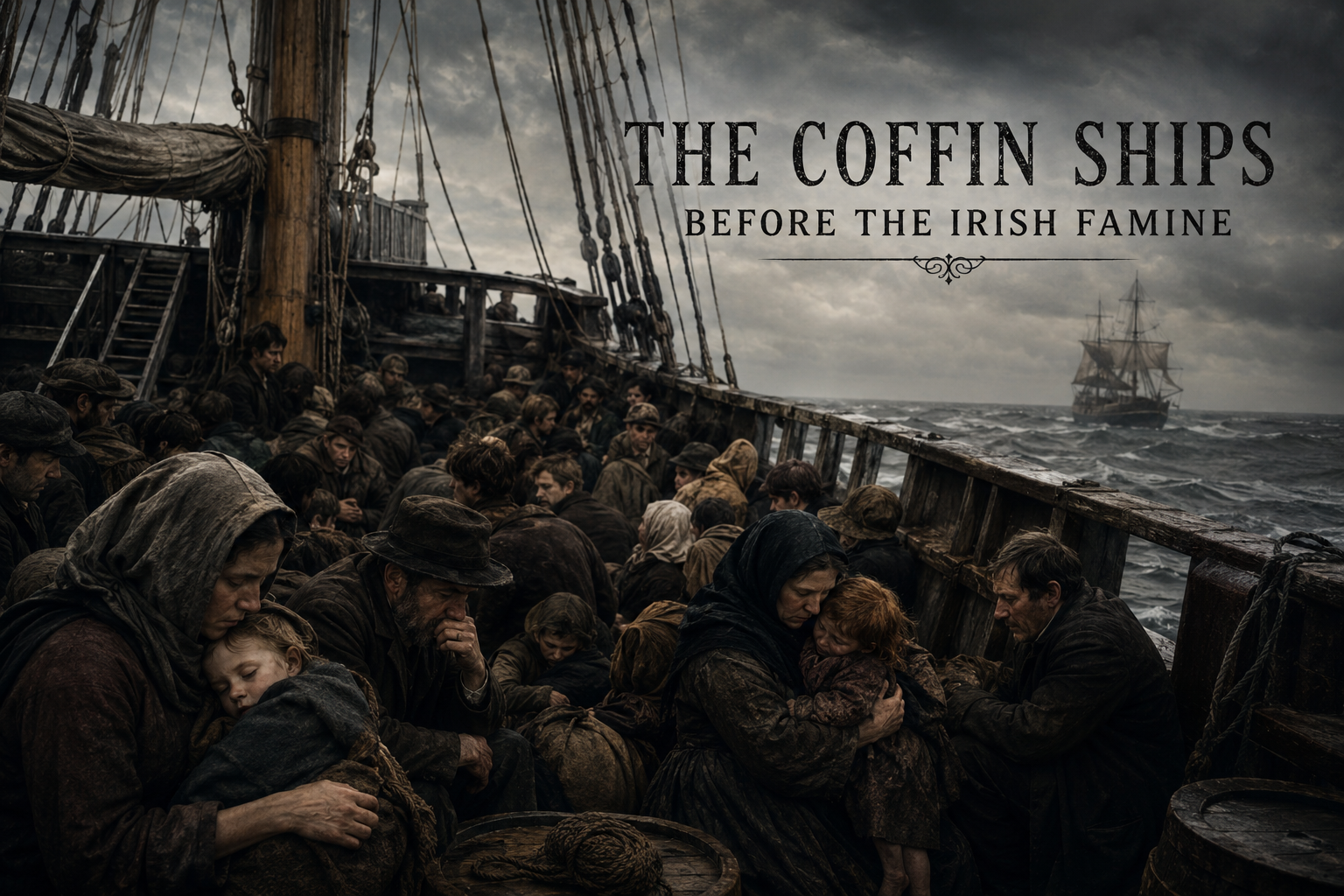
During & After the Irish Famine (1845–1855) The famine-era coffin ships became infamous because conditions collapsed into humanitarian catastrophe. These ships were carrying people fleeing: starvation, eviction, disease, total economic collapse. Many boarded already severely weakened from: malnutrition, typhus, fever, dysentery. Shipowners often packed vessels beyond safe limits to maximize profit. Some ships became floating disease environments with almost no medical care. Mortality rates exploded.
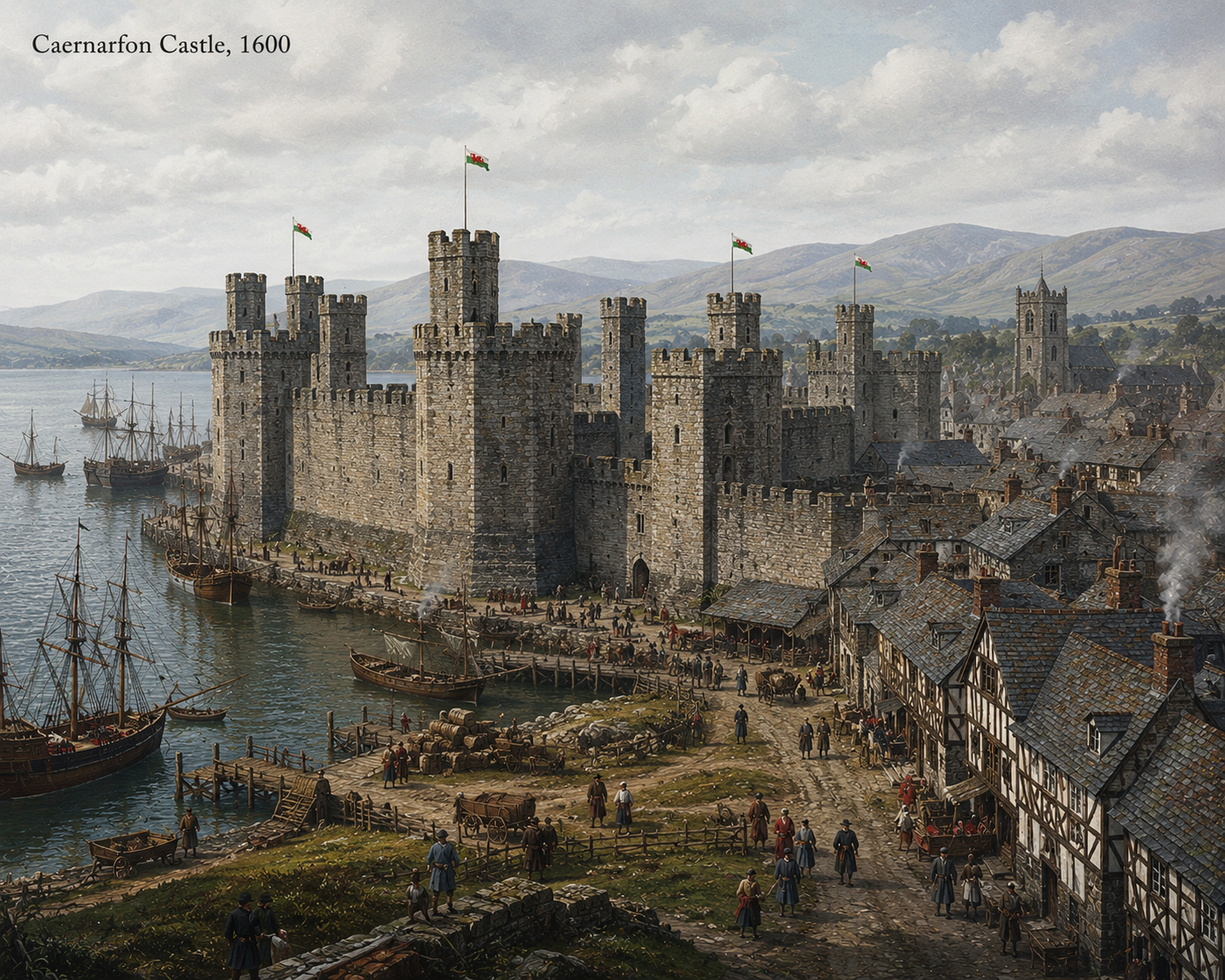
Northern Wales
The Welsh language itself is among the oldest continuously spoken languages in Europe. Known as Cymraeg, it evolved from the Brythonic language spoken throughout much of Roman Britain nearly two thousand years ago. While English emerged from Anglo-Saxon Germanic roots, Welsh preserved elements of the ancient Celtic language spoken long before the English language existed.