
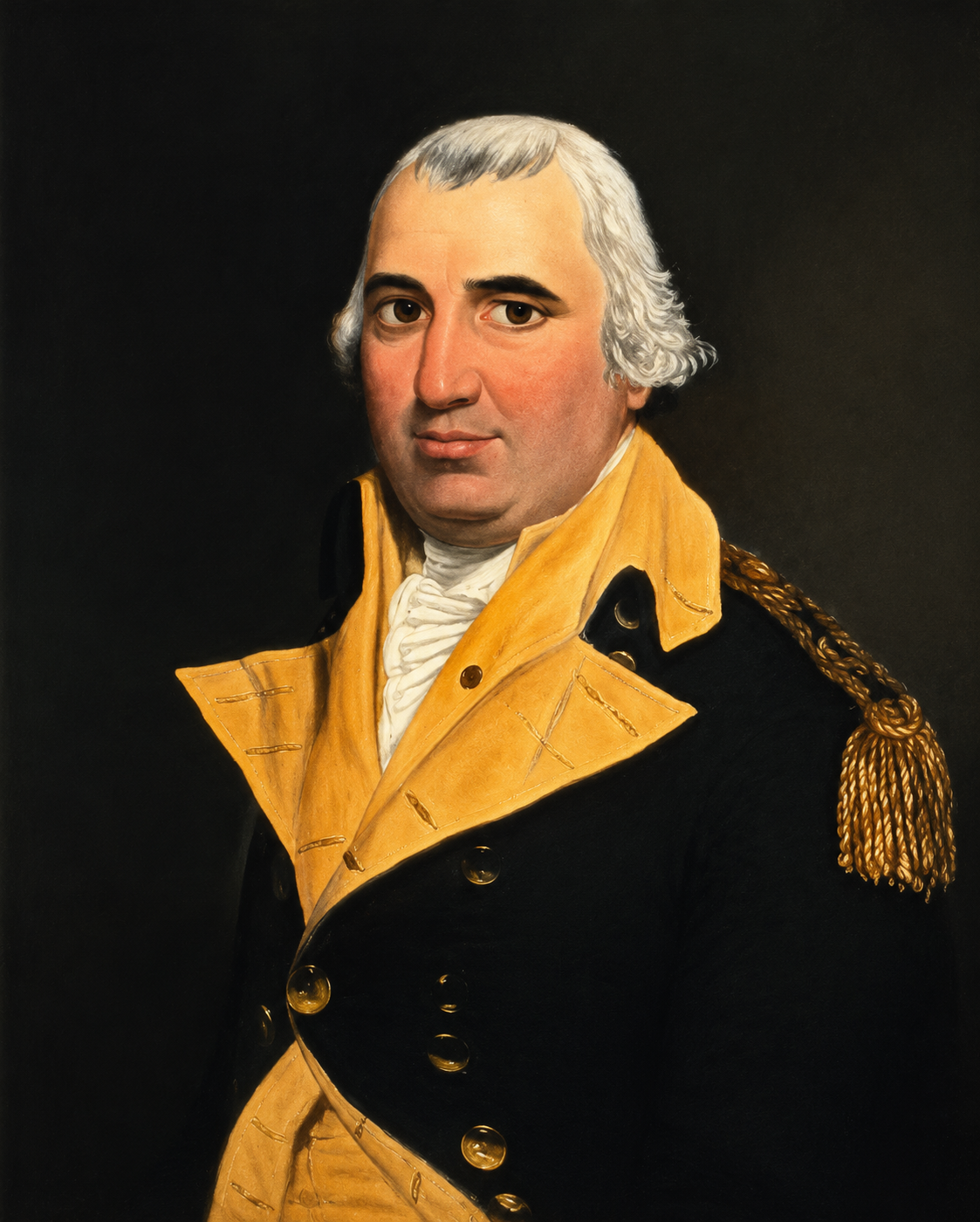
Charles Cotesworth Pinckney
His story reminds us that the American founding required far more than eloquent speeches and celebrated declarations. It demanded soldiers willing to endure imprisonment, lawyers capable of building constitutional government, diplomats prepared to confront powerful foreign nations, and leaders whose loyalty to the United States remained stronger than personal ambition.
Charles Cotesworth Pinckney answered every one of those calls. Whether standing on the battlefield at Charleston, debating constitutional principles in Philadelphia, or refusing foreign demands in Paris, he consistently placed the honor and independence of the United States above his own comfort or advancement.
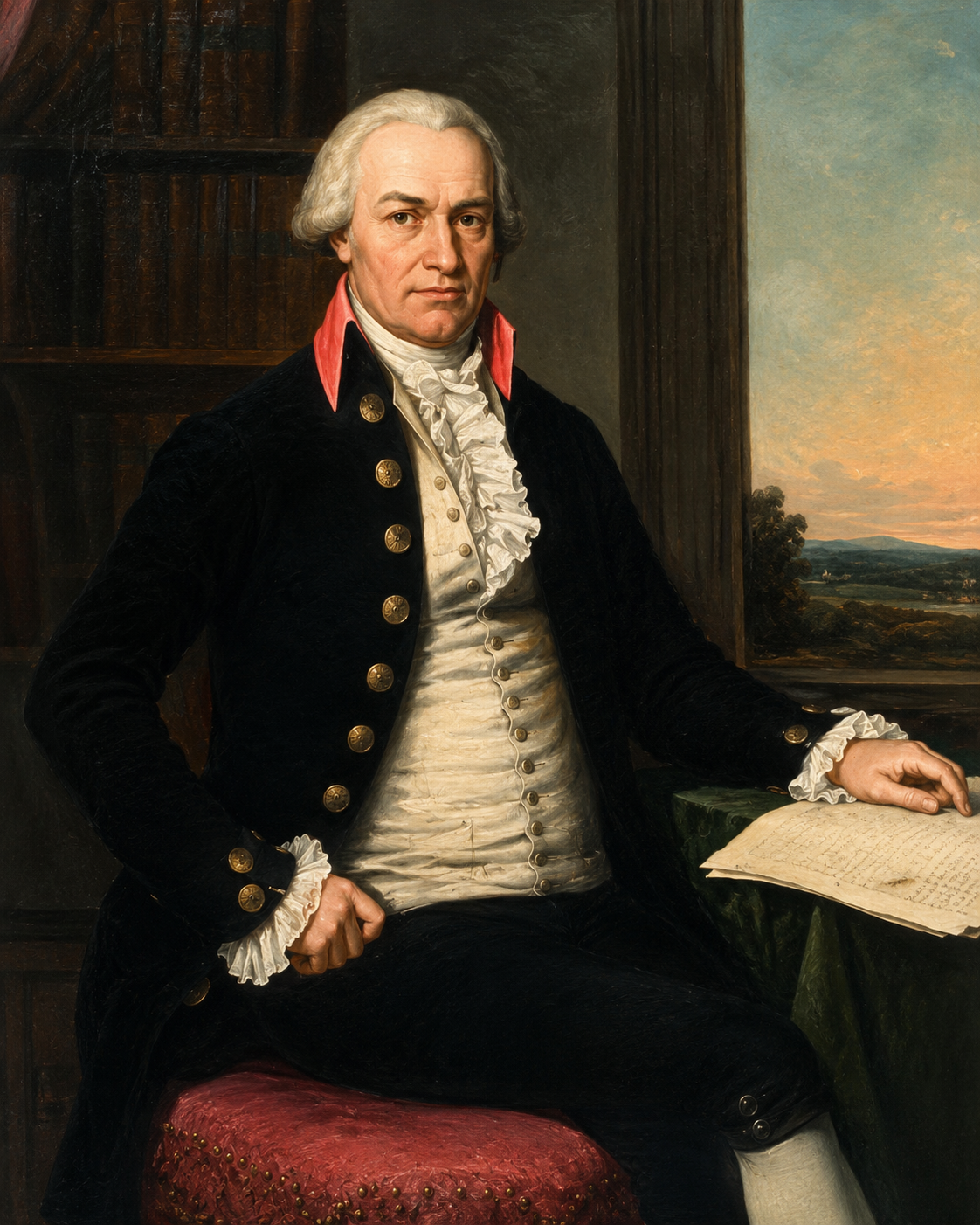
Oliver Ellsworth
In 1796, President George Washington nominated Ellsworth to succeed John Jay as the third Chief Justice of the United States. Although illness frequently interrupted his service, he strengthened the authority of the young Supreme Court during a period when its role remained uncertain.
Rather than seeking public acclaim, Ellsworth focused on establishing the Court as a respected, independent branch of government worthy of public confidence.
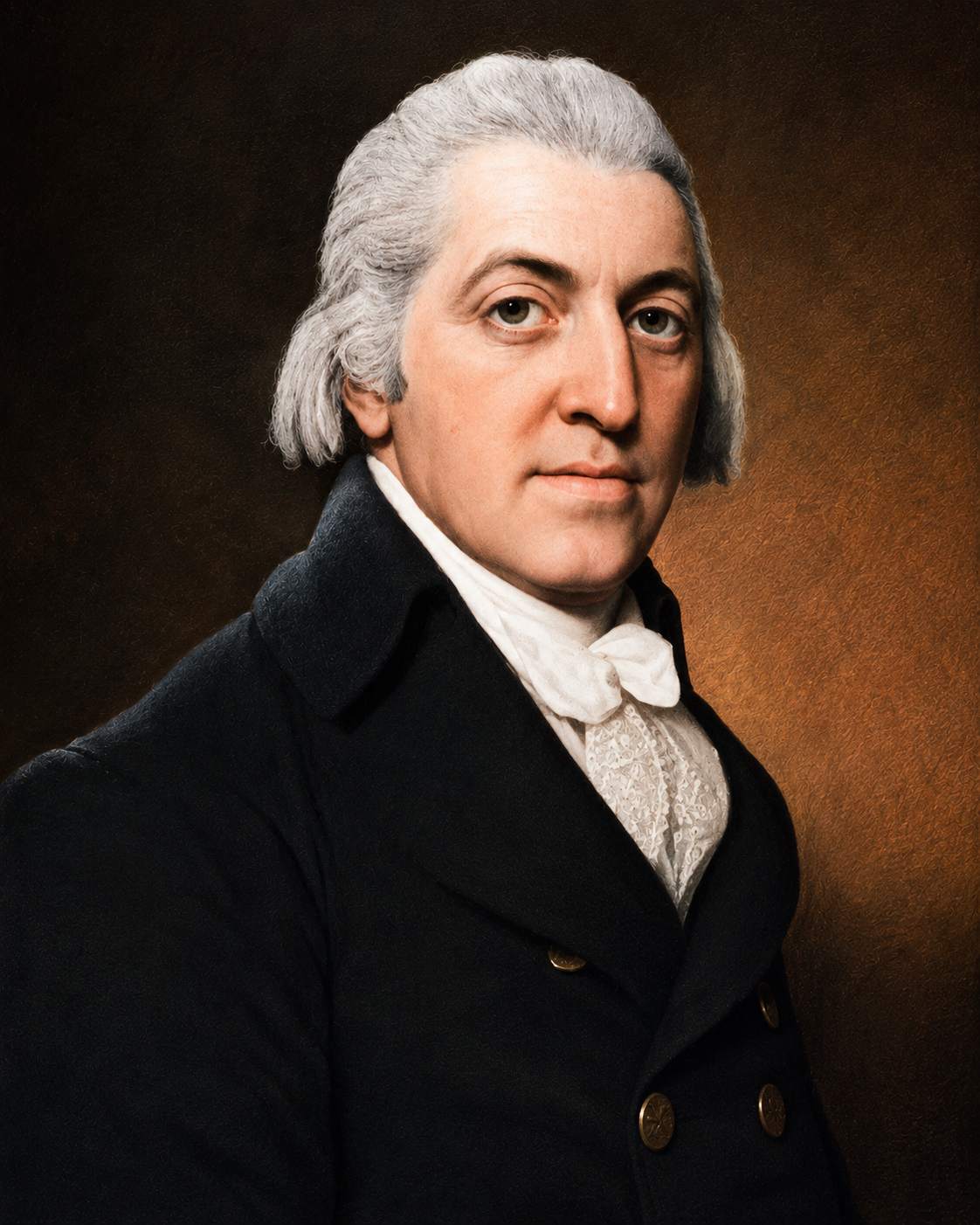
Andrew Craigie
Craigie became one of the nation's most prominent purchasers of these government securities. His investments reflected extraordinary confidence in the future of the republic at a time when many Europeans still doubted the United States could survive as a stable nation.
Rather than viewing federal bonds merely as speculative assets, Craigie understood that strong public credit would attract investment, expand commerce, and establish the United States as a respected participant in international finance.
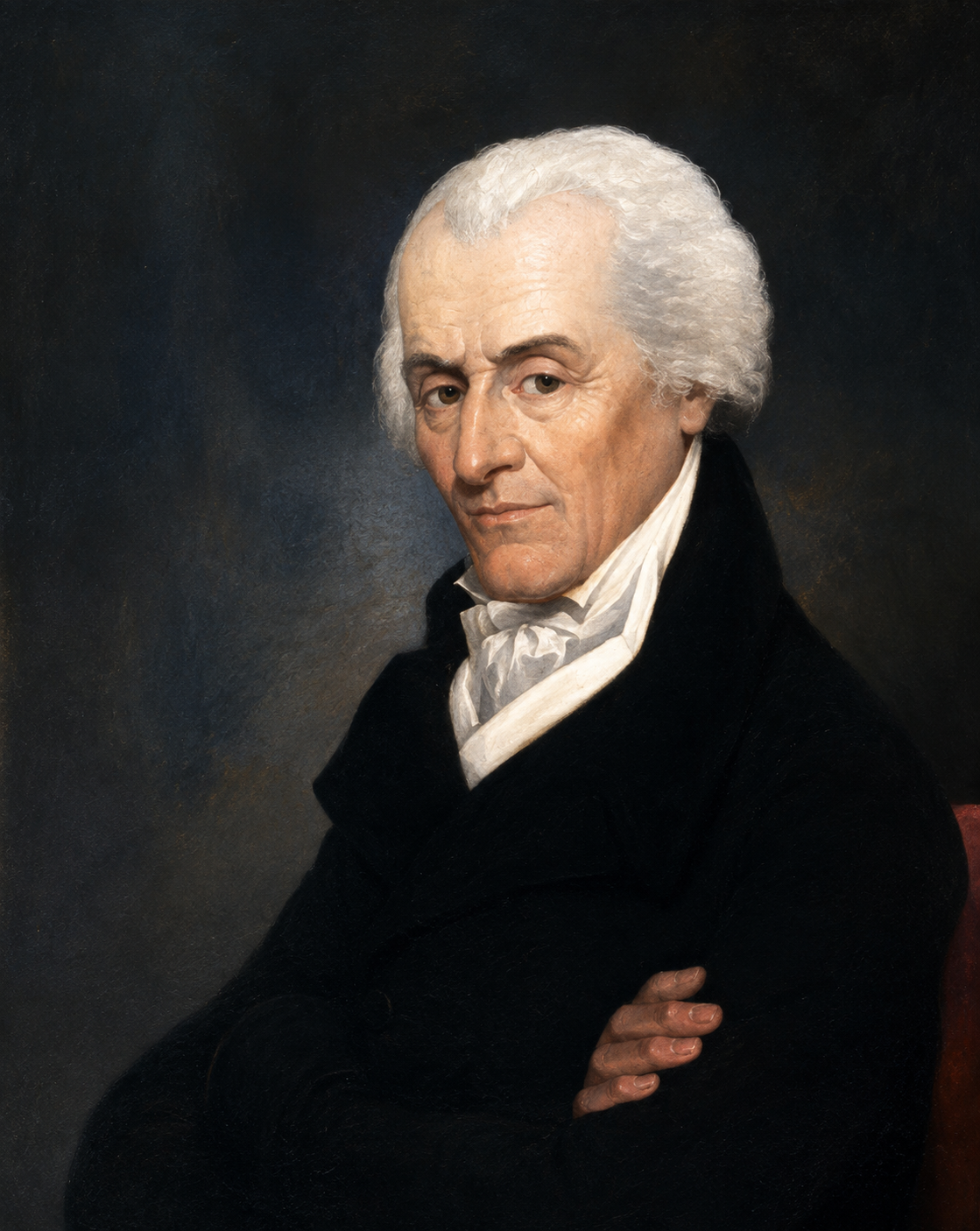
Elbridge Gerry
Elbridge Gerry
History often remembers him for a single political word.
It should also remember him as a patriot who repeatedly chose principle over popularity, wealth over personal security, and constitutional liberty over political convenience. His willingness to question even the government he helped create demonstrated a rare kind of patriotism—one grounded not in loyalty to power, but in unwavering devotion to the freedoms that power exists to protect.