The Great Wagon Road
Into the Carolina Frontier
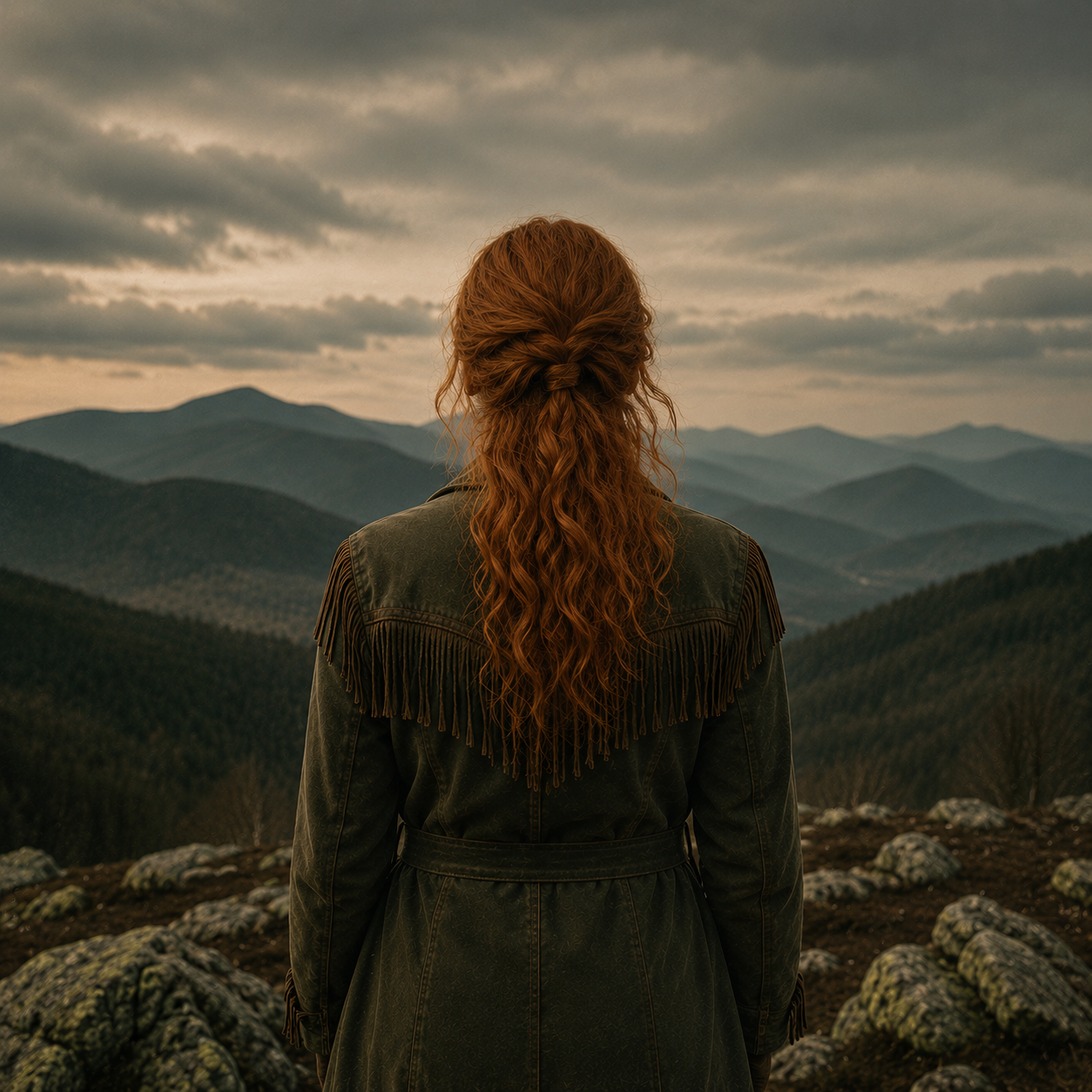
By 1744, the American colonies still felt unfinished, their settlements clinging unevenly to the Atlantic world while the interior beyond them remained vast, forested, and uncertain. The old wilderness had not yet disappeared beneath towns, courthouses, and organized roads. Much of the land stretching beyond Pennsylvania and Virginia still belonged more to rivers, mountains, weather, and Native paths than to the Crown itself. It was into this raw and changing frontier that the Carruthers family turned southward, leaving Pennsylvania behind and entering the long migration route that would later become known as the Great Wagon Road. The journey was not simply a relocation between colonies. It was a slow movement between worlds — from the older settlements of the north into a Carolina backcountry that barely existed yet as organized colonial society.
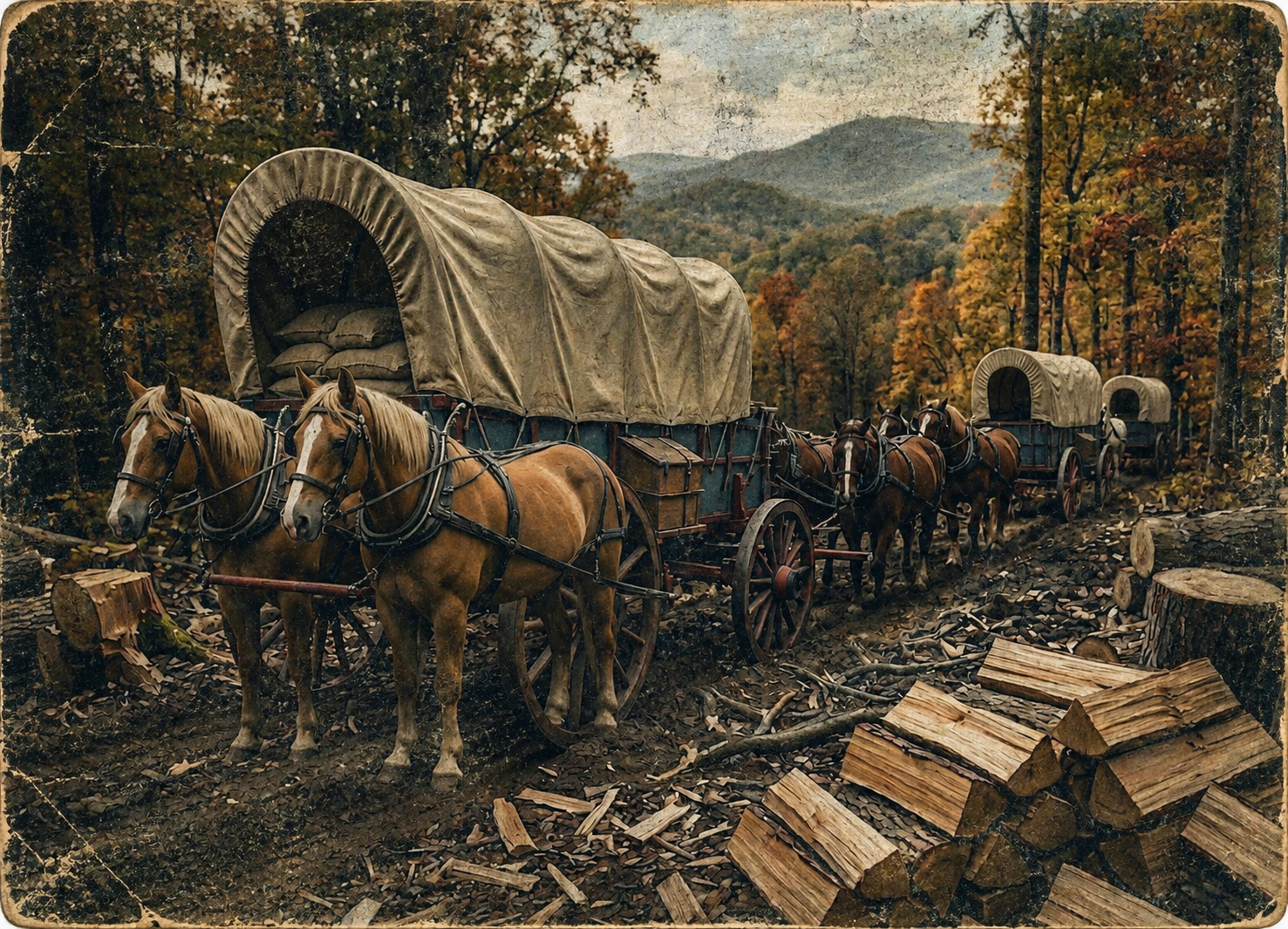
The road itself was far rougher than modern imagination often allows. It was not a single clean roadway cutting neatly through the wilderness, but rather a shifting network of wagon tracks, muddy crossings, narrow forest paths, old Native trails, and rough passages winding south through the Shenandoah Valley toward the Carolina Piedmont. In dry weather, the wagons groaned across dust and stone. In rain, entire sections collapsed into mud deep enough to trap wheels and weaken livestock. Families traveled beside heavily loaded wagons carrying tools, blankets, seed, iron pots, clothing, barrels of food, family Bibles, and whatever pieces of their former lives they could physically bring with them. Small children walked until exhaustion overtook them and then climbed back among the supplies while mothers carried infants through heat, storms, insects, and cold mountain evenings. Fathers drove livestock forward, repaired broken axles beside the trail, searched constantly for safe river crossings, and watched the forests carefully as darkness settled over campfires at night.
The journey southward could consume many weeks, sometimes months, depending upon weather, sickness, swollen rivers, or the condition of the trail ahead. The Appalachian Mountains shaped nearly every mile of the migration. Rather than attempting to cross the steepest ridges directly, travelers followed the long valleys running southwest between the mountain chains, particularly through the Shenandoah Valley, which became one of the great migration funnels of colonial America. Thousands of Scots-Irish, German, English, and Border-descended families gradually moved through these same corridors, their wagons creaking steadily beneath towering timber while smoke from temporary camps drifted upward into the forests. At night, strangers often camped within sight of one another along the road, exchanging rumors about land farther south, frontier violence, sickness spreading through settlements, or opportunities waiting beyond the next river valley. The wilderness surrounding them still felt enormous and alive. Wolves moved through the forests after dark. Panthers and black bears remained common throughout portions of the southern frontier. Mosquitoes carried sickness through the warmer valleys while sudden storms transformed creeks into dangerous crossings capable of sweeping away livestock, wagons, or entire families.
For the Carruthers family in the book ‘Kings of the Blue Ridge’, the migration unfolded during a moment when the world itself stood in transition. Across Europe, Britain and France competed aggressively for imperial power while colonial trade and Atlantic migration reshaped entire continents. The War of Austrian Succession had already erupted in 1740, pulling Europe once again into conflict while imperial rivalries spread outward into the colonies themselves. In Scotland, Jacobite tensions simmered beneath the surface only a year before the Rising of 1745 would explode under Bonnie Prince Charlie, forever altering Highland society. Across the American frontier, Native nations watched colonial expansion carefully as settlers pushed deeper into contested territory. The American Revolution still lay decades in the future. George Washington himself was only a young surveyor learning the wilderness during these same years. Nothing about the colonies yet felt stable or fully formed. The interior remained a frontier world balanced uneasily between empire, wilderness, migration, and survival.
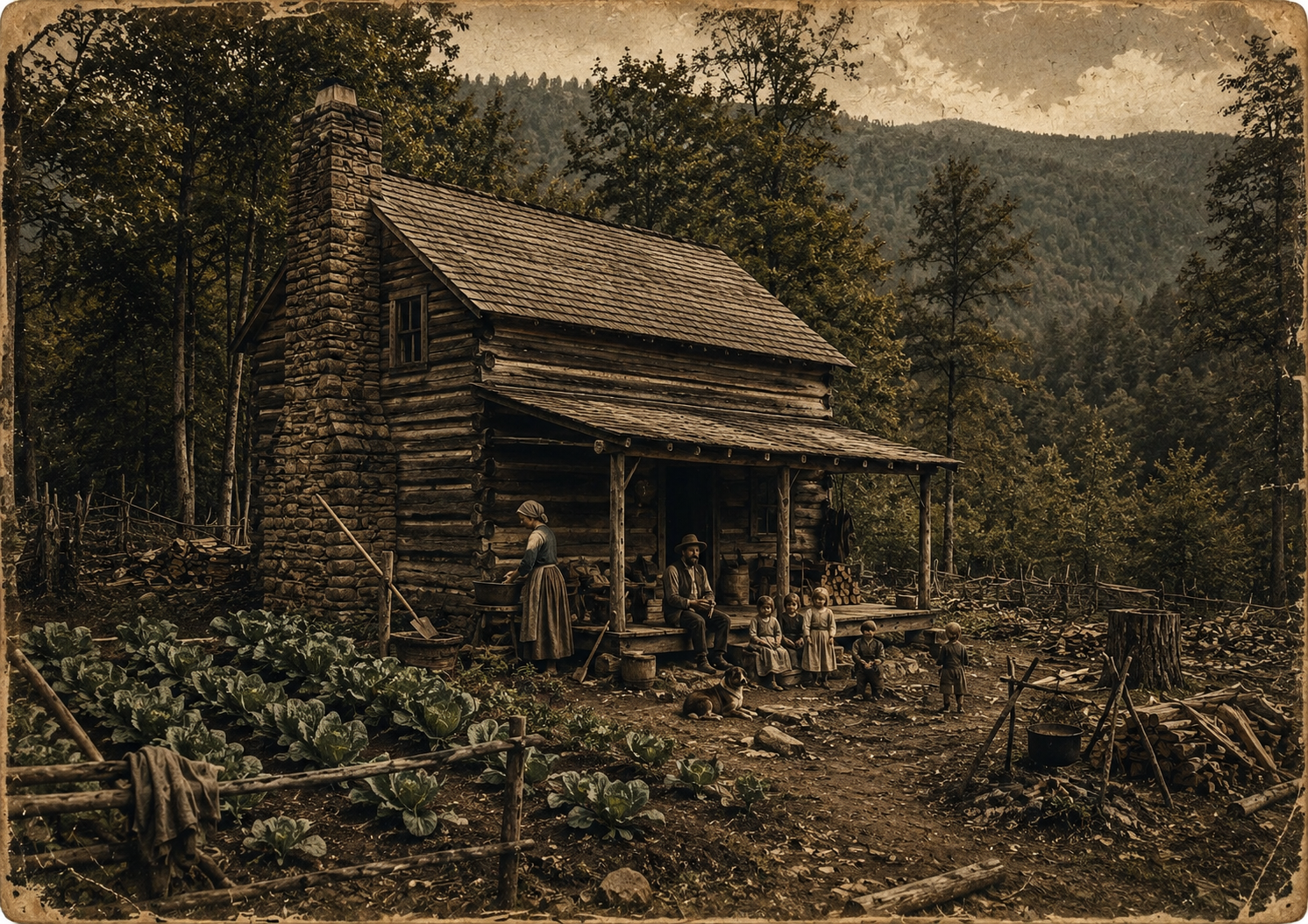
What awaited the Carruthers family in North Carolina was not a developed town or organized settlement, but a sparsely populated backcountry still being carved from the forest itself. Rowan County would not officially exist until 1753, nearly a decade after families like theirs first entered the region. The Yadkin River settlements of the 1740s consisted largely of scattered cabins, rough clearings, isolated homesteads, and small pockets of settlement divided by miles of wilderness. Roads remained primitive. Mills were limited. Churches were few. Large portions of the surrounding territory still belonged to Native peoples who had lived there long before colonial migrants arrived. Families entering the region faced the exhausting reality of building survival almost entirely by hand. Trees had to be felled one by one. Cabins raised from raw timber. Fields broken open through relentless labor. Food preserved carefully against winter scarcity. Isolation shaped daily existence, with neighboring settlements sometimes lying many difficult miles away through dense woods and rough terrain.
Yet despite the hardship, the migration continued because the southern frontier represented something increasingly difficult to find farther north — opportunity. Pennsylvania had already begun filling rapidly by the mid-eighteenth century. Land grew more expensive. Population increased. Competition sharpened between newer generations seeking room to establish themselves. The Carolina backcountry offered what seemed like endless space beside fertile rivers and valleys, and for Scots-Irish and Border-descended families especially, the movement southward became part of a much larger migration reshaping the future of Appalachia itself. The Great Wagon Road carried more than wagons into the southern colonies. It carried the memory of Scotland and Ulster. It carried speech patterns, music, farming traditions, religious beliefs, family networks, folklore, and the cultural inheritance of the Borderlands deep into the Blue Ridge frontier. Entire Appalachian communities would eventually rise from the movement of these families through the valleys of the interior.
Long before railroads crossed the mountains or modern highways connected the region, the sound of wagon wheels moving slowly south through the forests marked the beginning of a new world taking shape beneath the ridges of Appalachia. Somewhere within that endless procession of frontier families traveled the Carruthers line, leaving behind one uncertain life while moving steadily toward another not yet fully built.