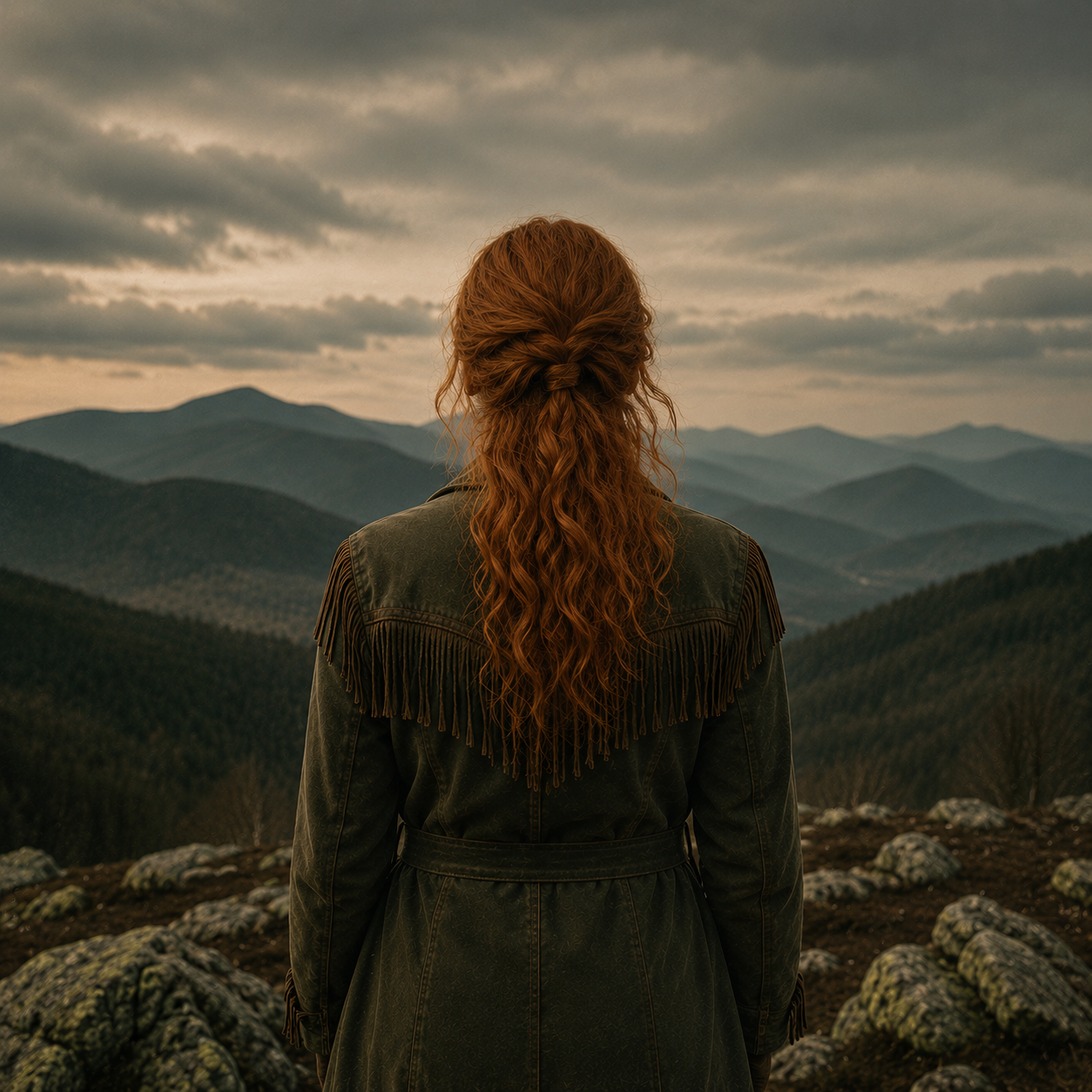
Northern Wales
The Ancient Land Behind the Language in 1600
For many people exploring their ancestry, Wales appears as a small corner of Britain tucked between England, Ireland, and the Irish Sea. Yet few places in Europe have preserved their ancient identity as successfully as Wales. For those discovering Welsh roots within their family tree, the experience often feels less like uncovering a nationality and more like stepping into an entirely different world—one shaped by mountains, castles, poetry, and one of the oldest living languages in Europe.
Today, Wales is recognized as one of the four nations of the United Kingdom, but its story began long before England, Scotland, or even Britain existed as modern political entities. The people who became the Welsh were descendants of the ancient Britons who inhabited much of Britain before the arrival of the Anglo-Saxons. When Germanic settlers gradually expanded across eastern and southern Britain following the Roman withdrawal in the fifth century, the surviving Brittonic-speaking populations retreated into the western mountains and valleys. It was within these rugged landscapes that Welsh identity began to take shape.
The Welsh language itself is among the oldest continuously spoken languages in Europe. Known as Cymraeg, it evolved from the Brythonic language spoken throughout much of Roman Britain nearly two thousand years ago. While English emerged from Anglo-Saxon Germanic roots, Welsh preserved elements of the ancient Celtic language spoken long before the English language existed. For this reason, modern Welsh speakers can trace linguistic connections stretching back to the tribes who confronted Roman legions and later resisted Anglo-Saxon expansion.
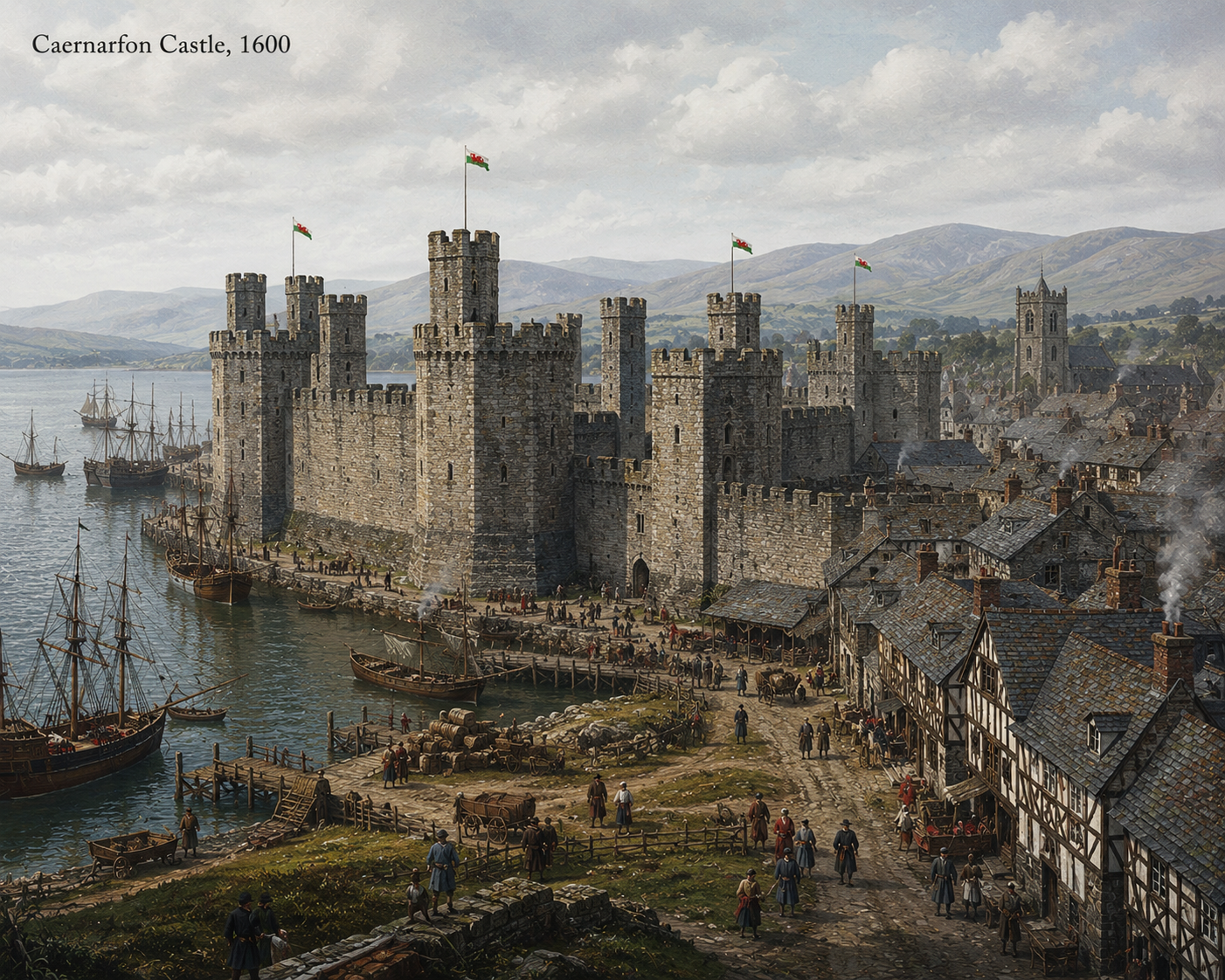
Northern Wales became one of the strongest centers of Welsh culture and identity. Protected by mountains and difficult terrain, regions such as Gwynedd preserved Welsh traditions, language, and independence long after neighboring territories fell under outside influence. The mountains of Snowdonia—known today as Eryri—formed a natural stronghold where Welsh princes maintained authority for centuries. Many historians consider medieval Gwynedd the heartland of Welsh resistance and nationhood.
The history of Wales changed dramatically during the thirteenth century. The campaigns of King Edward I of England culminated in the conquest of Wales between 1277 and 1283. Following the death of the Welsh prince Llywelyn ap Gruffudd, the last native ruler of an independent Wales, English control expanded across the country. Massive castles rose across the landscape as symbols of English authority. Many of the most famous castles in Wales today—including Caernarfon, Conwy, Harlech, and Beaumaris—were built during this period.
Yet Wales never disappeared.
Despite conquest, the Welsh language survived. Welsh customs endured. Poetry, music, folklore, and local traditions continued to thrive within communities throughout the country. During the sixteenth century, the Laws in Wales Acts formally integrated Wales into the Kingdom of England, but Welsh identity remained remarkably resilient. While many ancient cultures faded under political pressure, Wales retained a distinct sense of nationhood that survives into the present day.
For those with ancestry from Northern Wales, the region offers some of the most rewarding ancestral tourism experiences in Britain. Visitors can walk the medieval walls of Caernarfon, explore the great fortress of Conwy, or stand among the mountains that sheltered Welsh princes during their struggles for independence. Ancient stone churches, market towns, family graveyards, and centuries-old farms remain scattered throughout the valleys and hills. Many travelers are surprised by how much of the landscape still feels connected to its past.
One of the most remarkable experiences is hearing Welsh spoken in everyday life. Northern Wales remains one of the strongest Welsh-speaking regions in the world. Road signs appear in both Welsh and English. Conversations drift between languages. Schoolchildren learn Welsh from an early age. Visitors quickly discover that Wales is not merely preserving history—it is actively living it.
The region also offers some of the most dramatic scenery in the British Isles. Snowdonia National Park, the Menai Strait, the Llŷn Peninsula, and the coastline of Anglesey combine mountain landscapes, ancient settlements, and breathtaking seascapes. It is easy to understand why generations of Welsh families remained deeply attached to these lands despite centuries of political change.
For descendants discovering Welsh ancestry, Northern Wales provides something increasingly rare in the modern world: continuity. The language survives. The mountains remain. The castles still stand. The villages endure. In many places, the connection between the present and the distant past remains visible in everyday life.
Perhaps that is what makes Wales so unique. It is not simply a place where history happened. It is a place where history never entirely left.
For those whose DNA still carries echoes of Wales, a journey into the north offers more than tourism. It offers an opportunity to walk among the landscapes, language, and traditions that shaped generations long before their descendants scattered across the world.