
2nd of Holmains
By 1426, John was holding his lands under Archibald Douglas, 5th Earl of Douglas.
In return, John owed feudal obligations attached to the land grant.
John’s land interests include Holmains and Little Dalton, Ecclefechan, Plewlands, Copwood, Bengahill, Moffat, Tundergarth, Glaisters, Newlands and Ruthwell. These weren’t all neighboring fields. They were scattered across the countryside, stretching north toward Moffat and south toward the Solway.
I find language in the old record sounds wonderfully romantic today.
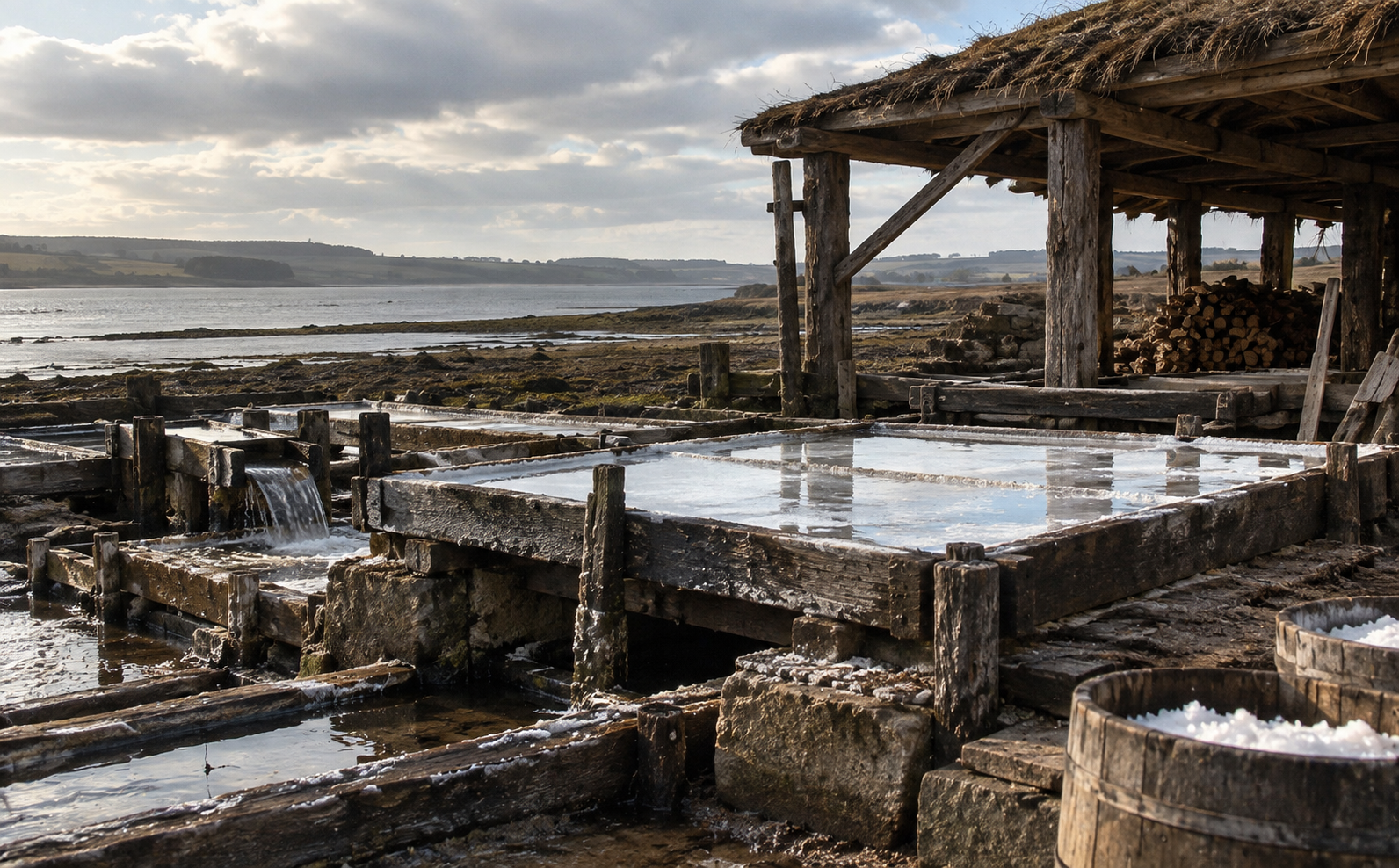
John held £10 lands at Ecclefechan, some merk lands elsewhere, something called ‘husbandlands’ at Ruthwell—and, tucked into the list, a saltcoat?
Land was commonly identified in value, while a husbandland was an agricultural holding associated with a tenant farmer.
So, the ‘little saltcoat at Ruthwell’ property is my favorite! What is it??
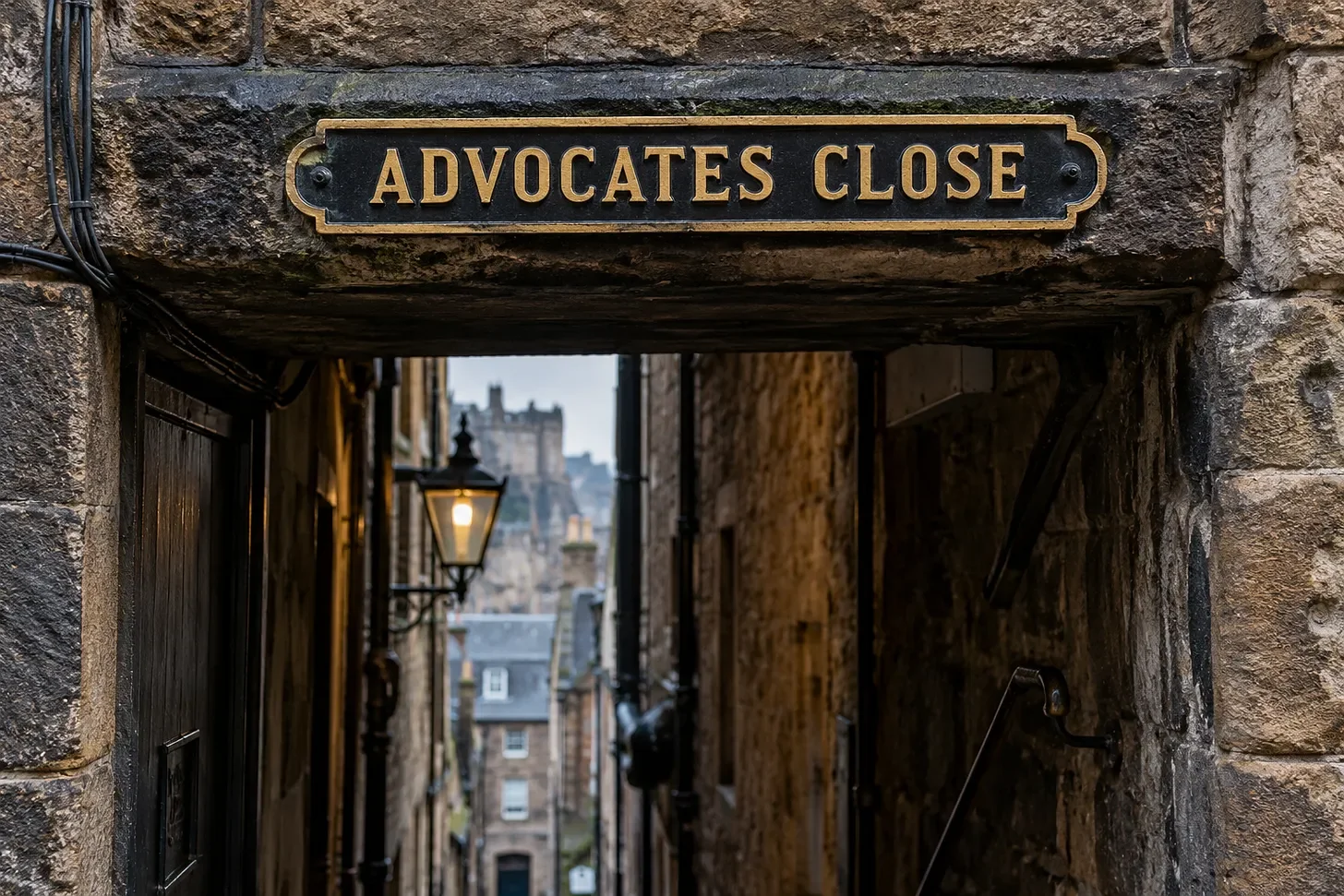
Hello from Advocates Close
The High Street was laid out with long, narrow burgage plots running off it. Over time, access lanes developed between and through these plots—the ancestors of the closes we recognize today. The closes grew organically as medieval property behind the High Street was divided, occupied, and increasingly built upon.
But the stone buildings and stairs are much later. The west-side excavation uncovered a tenement built in the late 1500s, complete with cellar floors, a corbelled cellar roof, and a turnpike stairwell—a spiral stair contained within the building. Archaeologists date that stair as part of the late-16th-century tenement complex. It wasn’t originally the big open flight of steps we experience today; it was part of the house itself.