The Scottish Thistle
“Among the many familiar plants they encountered in America were native and they introduced the species of thistle. The Appalachian Mountains often reminded settlers of the landscapes they had left behind. The ridges, valleys, rocky hillsides, and cool mountain climate felt strangely familiar to people whose ancestors had lived among the hills of Scotland and Ulster. Thistles grew readily in disturbed fields, along roadsides, in mountain meadows, and around newly cleared settlements. The sight of a thistle may have served as an unexpected reminder of home. The connection became symbolic rather than botanical. The thistles growing in Appalachia were not always the same species found in Scotland, but the meaning endured.”
Scotland’s sheep
“The lands surrounding Breconside derived much of their value from sheep husbandry and wool production. The upland pastures above Annandale were ideally suited to grazing, and generations of families relied upon sheep, cattle, and smaller agricultural holdings for their livelihood. Wool from the district moved through regional markets centered around Moffat, which became known throughout southern Scotland as a wool-trading town. Alongside livestock, tenants and estate households cultivated oats and other subsistence crops while managing the challenging conditions of the Southern Uplands.”
Seven Ill Years
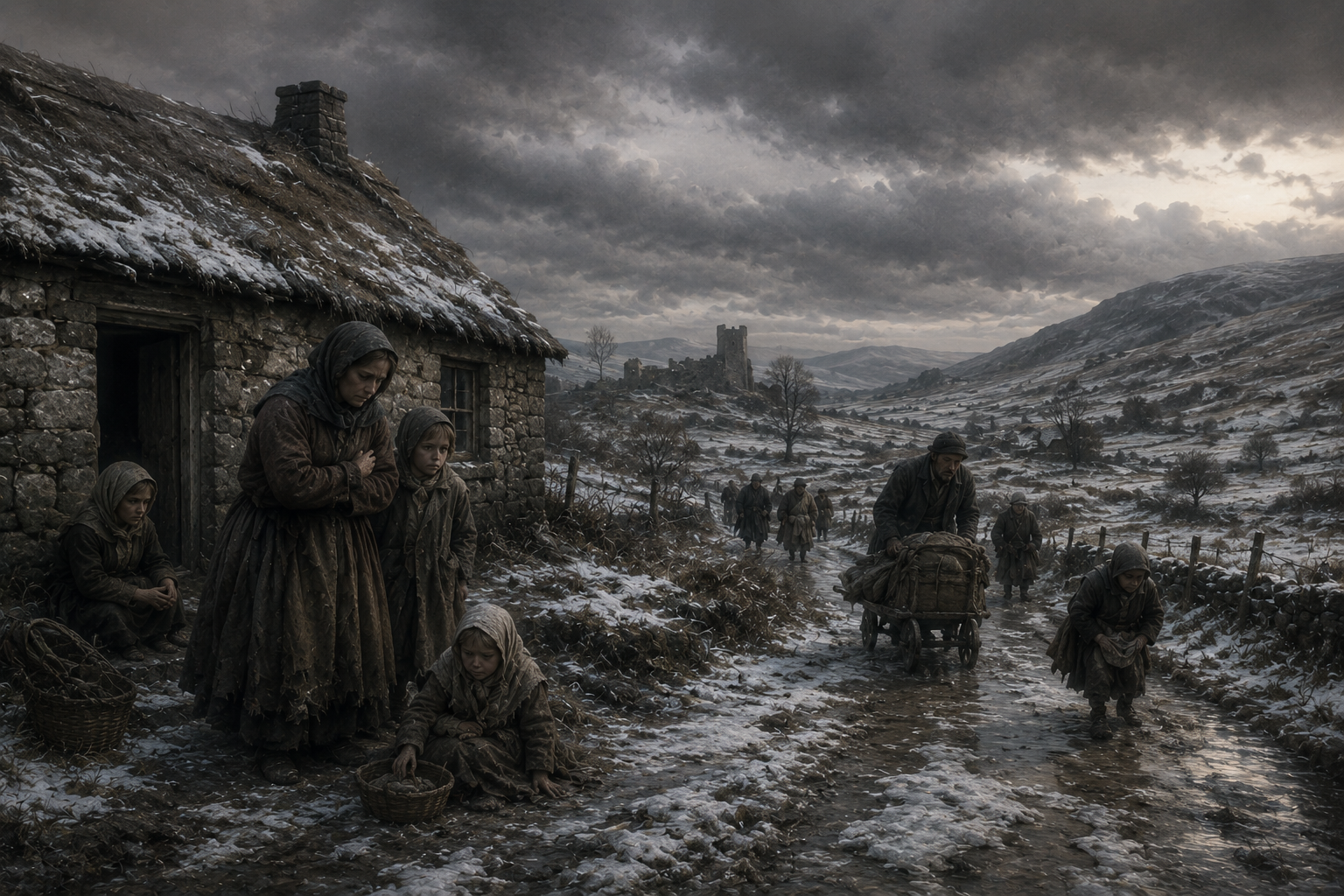
“For families living in the southwest Border country — particularly in Dumfriesshire and the old Marches — the suffering carried a different texture than it did in the crowded burghs of Edinburgh or Aberdeen. Here, survival depended almost entirely on the land itself. Crops failed. Livestock weakened. Trade slowed. Entire communities found themselves trapped between old feudal obligations, political uncertainty, and the harsh realities of subsistence living. For Border families such as the Carruthers of Holmains and their surrounding kin networks, the crisis arrived during a time when the region was already carrying centuries of instability behind it.”