
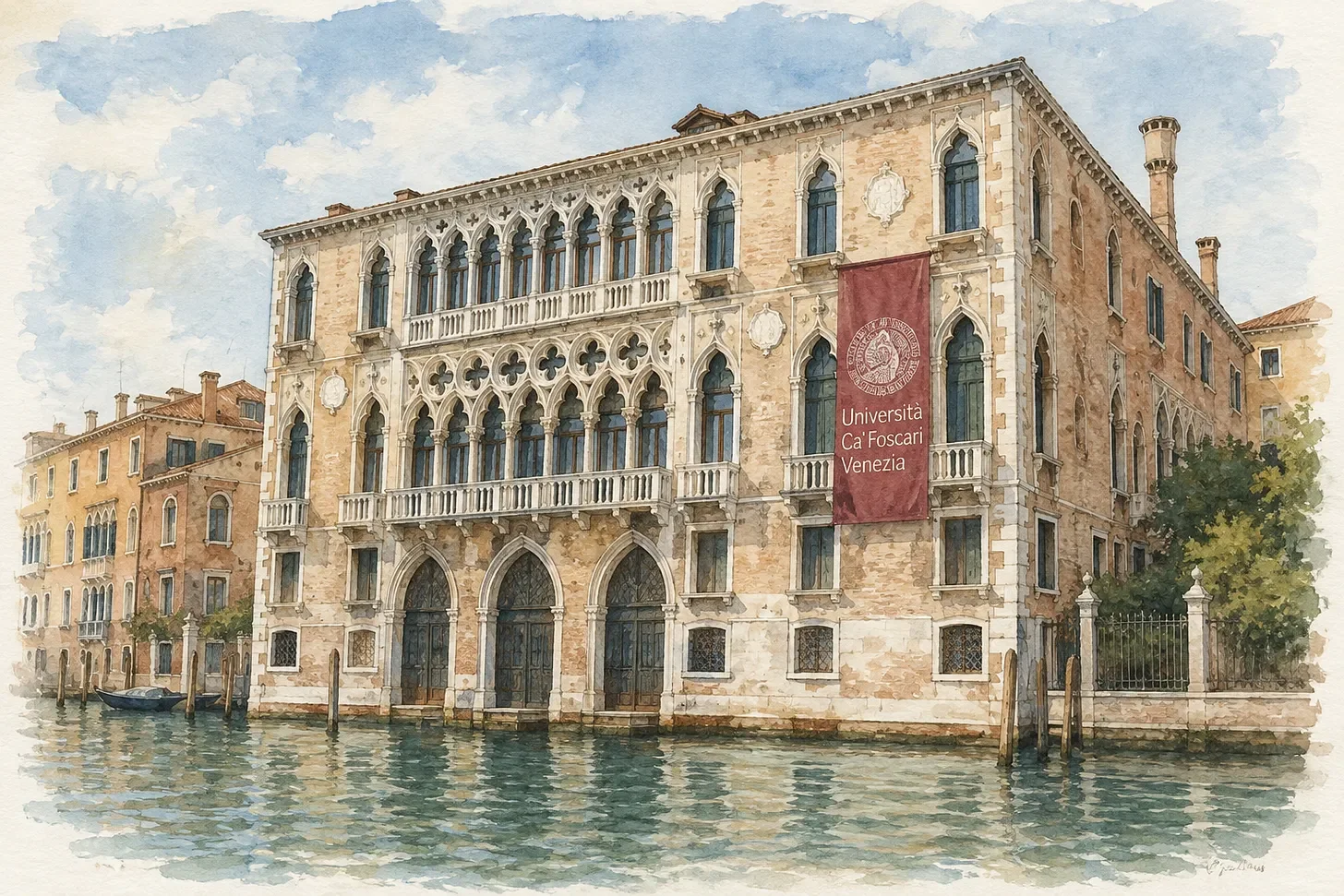
Microhistory Explained
Think your work might practice Microhistory?
Here is an example of using the Microhistory methods while writing;
1. Establish the person in the record. Begin with what surviving documents can actually establish before attempting reconstruction. Reduce the scale of investigation to a person, family, event, community, or other tightly bounded subject.
2. Build the chronology. Arrange documented events in sequence so that both continuity and gaps in the evidence become visible. Reconstruct the physical landscape in which the documented events occurred.
3. Expand outward from the individual. Investigate the people and institutions surrounding the subject because their records may preserve evidence the subject did not leave behind.
4. Reconstruct the immediate world. Use the history of the period and place to understand the conditions in which the individual lived. Bring together records, books, testimony, material culture, and comparable contemporary evidence without pretending that contextual evidence is personal evidence.
5. Separate fact from inference. Distinguish what the documents prove from what clues make probable, plausible, or merely possible. Historian Carlo Ginzburg’s writings on the evidential paradigm are particularly important here.
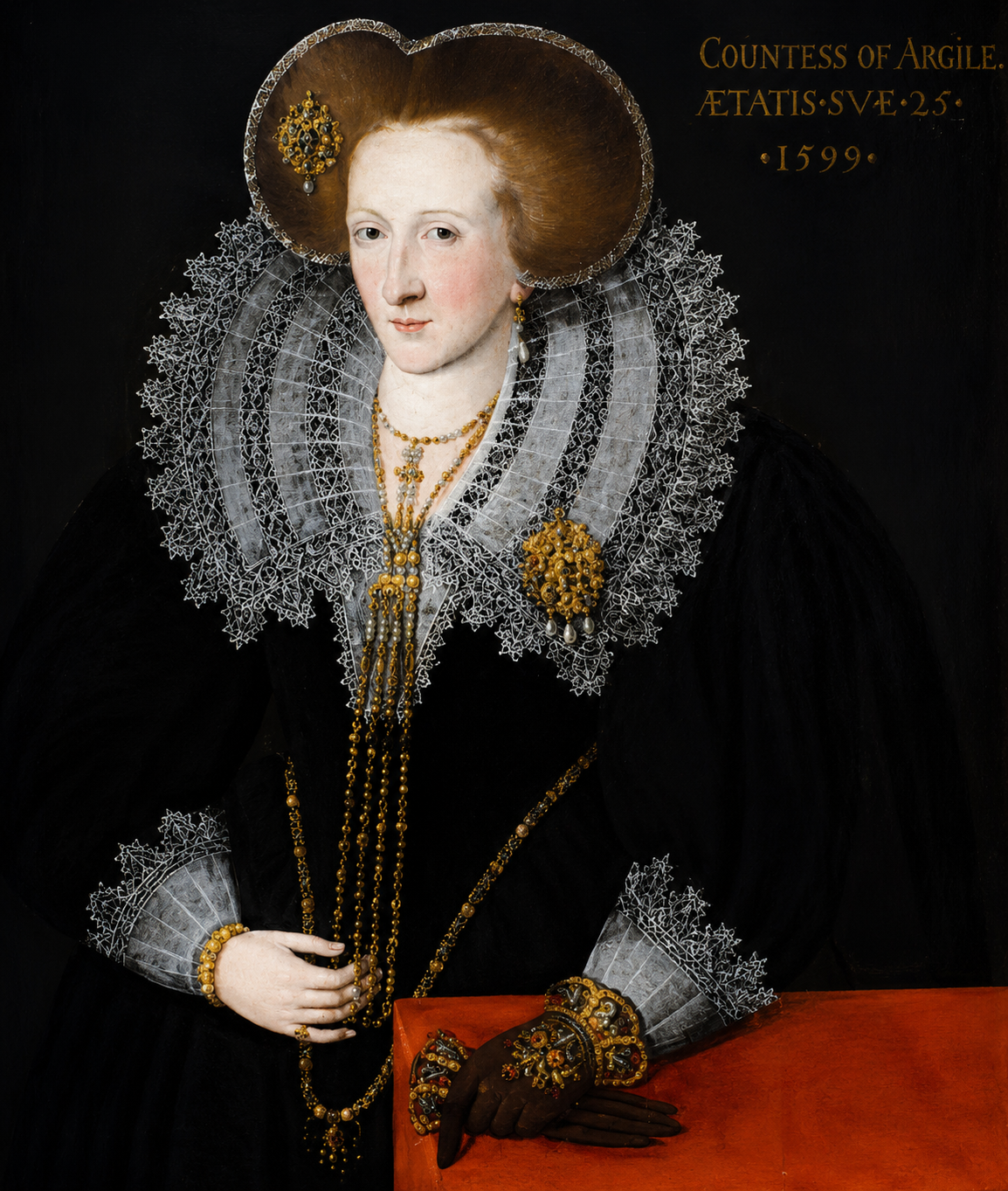
A Pearl of Lochleven
“Known throughout Scotland as the “Pearls of Lochleven,” Agnes Douglas Countess of Argyll and her sisters became renowned for their beauty, noble bearing, and powerful family connections during the late 16th century. The name emerged from the Douglas court surrounding Lochleven Castle and the Earls of Morton, where the daughters of the house were admired among Scotland’s noble circles and royal society. In a world where reputation traveled through court correspondence, noble marriages, royal visits, heraldic alliances, and word carried between castles and estates, the title spread far beyond Lochleven itself.”