
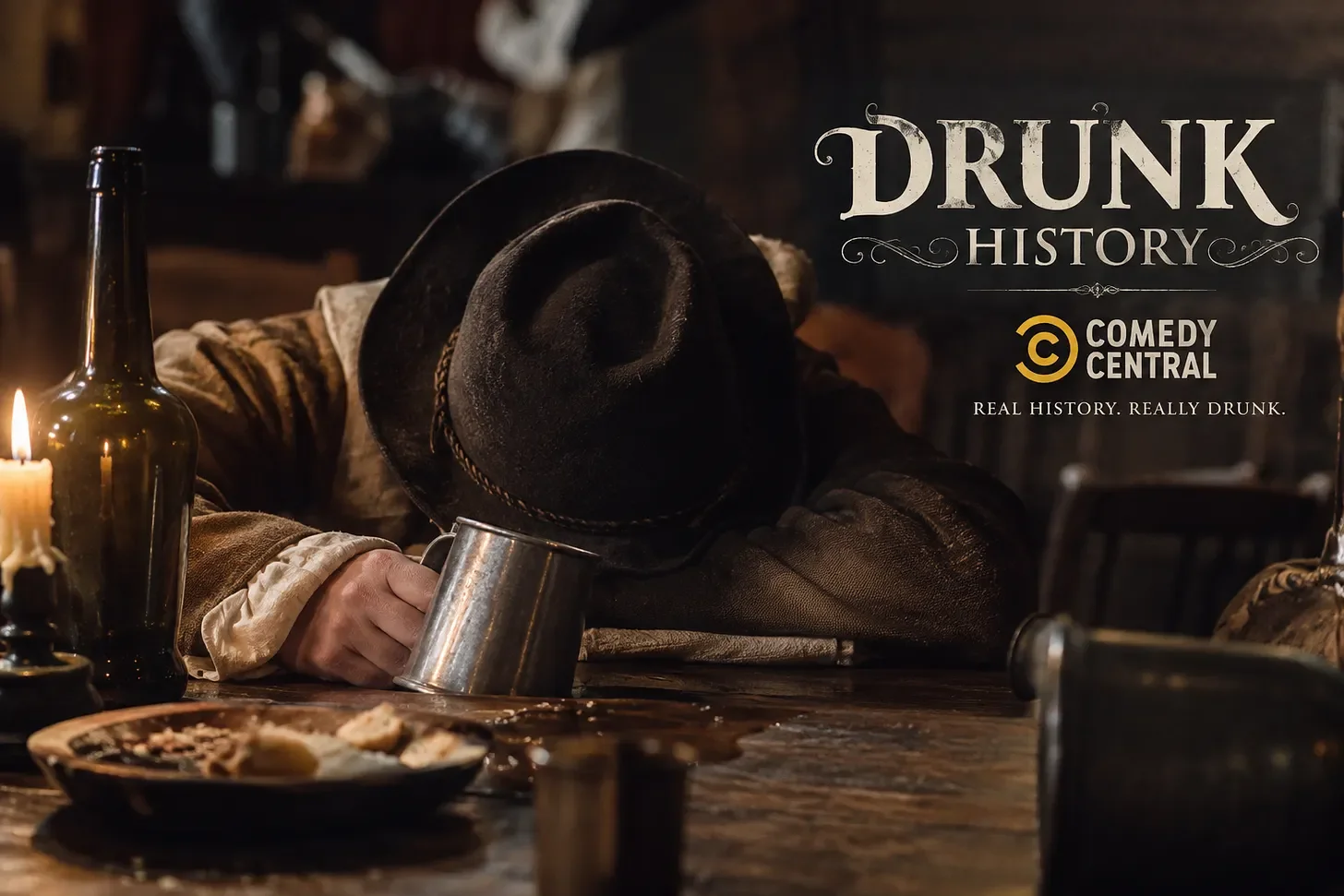
Drunk History is Back🍸
That’s one of the show’s great tricks. You sit down expecting to laugh, and twenty minutes later you realize you’ve become completely invested in someone who died 150 years ago. Awesome.
I understand that feeling very well.
There is also something wonderfully human about how these stories are told.
Academic history has its place, and good documentation matters enormously, but people have been passing history to one another around tables, fires, and drinks for a very long time. We don’t always begin with dates and footnotes.
We begin with, “You have to hear what happened to this woman.”
Then comes the story.
That’s the heart of Drunk History. And Now It’s Back
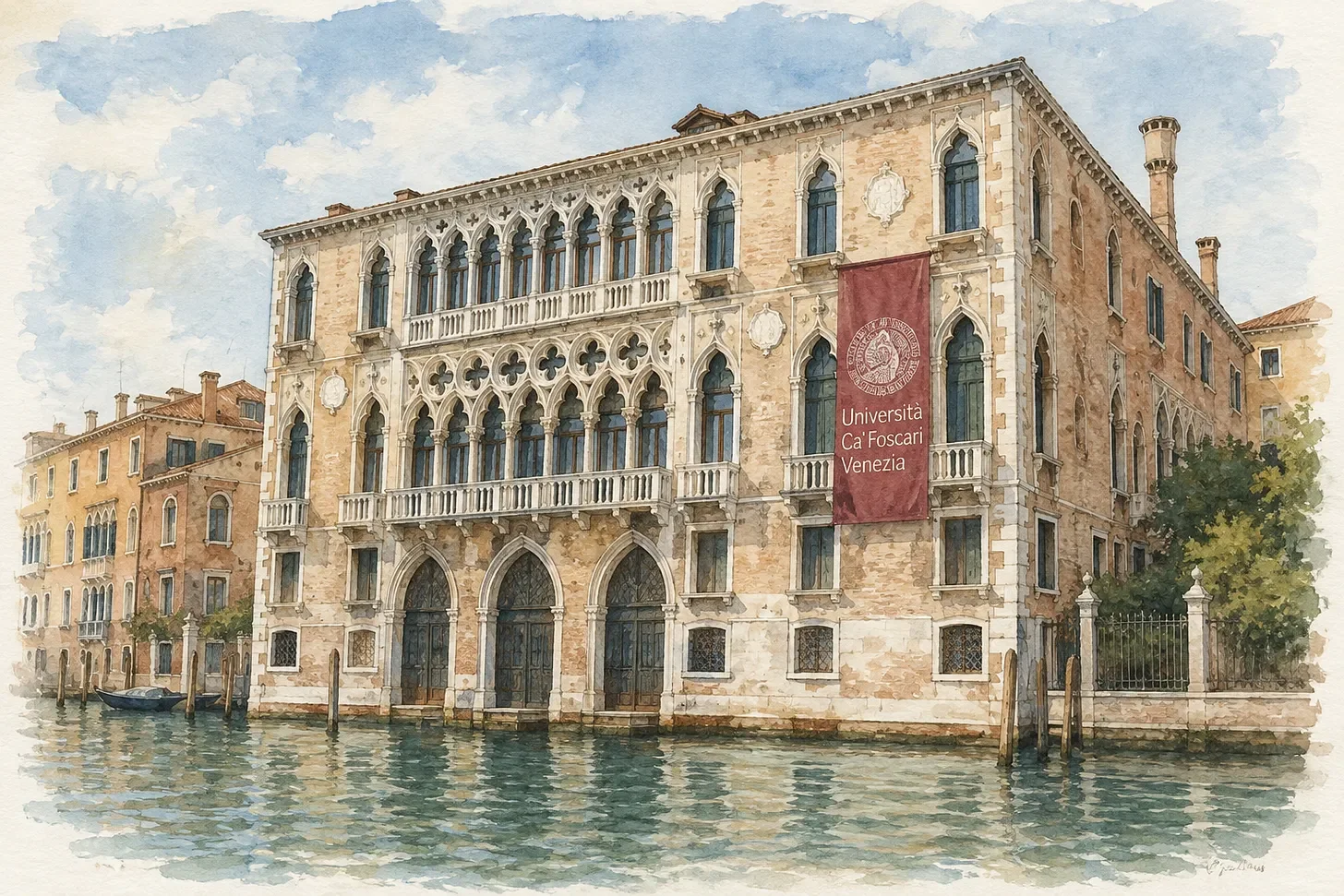
Microhistory Explained
Think your work might practice Microhistory?
Here is an example of using the Microhistory methods while writing;
1. Establish the person in the record. Begin with what surviving documents can actually establish before attempting reconstruction. Reduce the scale of investigation to a person, family, event, community, or other tightly bounded subject.
2. Build the chronology. Arrange documented events in sequence so that both continuity and gaps in the evidence become visible. Reconstruct the physical landscape in which the documented events occurred.
3. Expand outward from the individual. Investigate the people and institutions surrounding the subject because their records may preserve evidence the subject did not leave behind.
4. Reconstruct the immediate world. Use the history of the period and place to understand the conditions in which the individual lived. Bring together records, books, testimony, material culture, and comparable contemporary evidence without pretending that contextual evidence is personal evidence.
5. Separate fact from inference. Distinguish what the documents prove from what clues make probable, plausible, or merely possible. Historian Carlo Ginzburg’s writings on the evidential paradigm are particularly important here.