
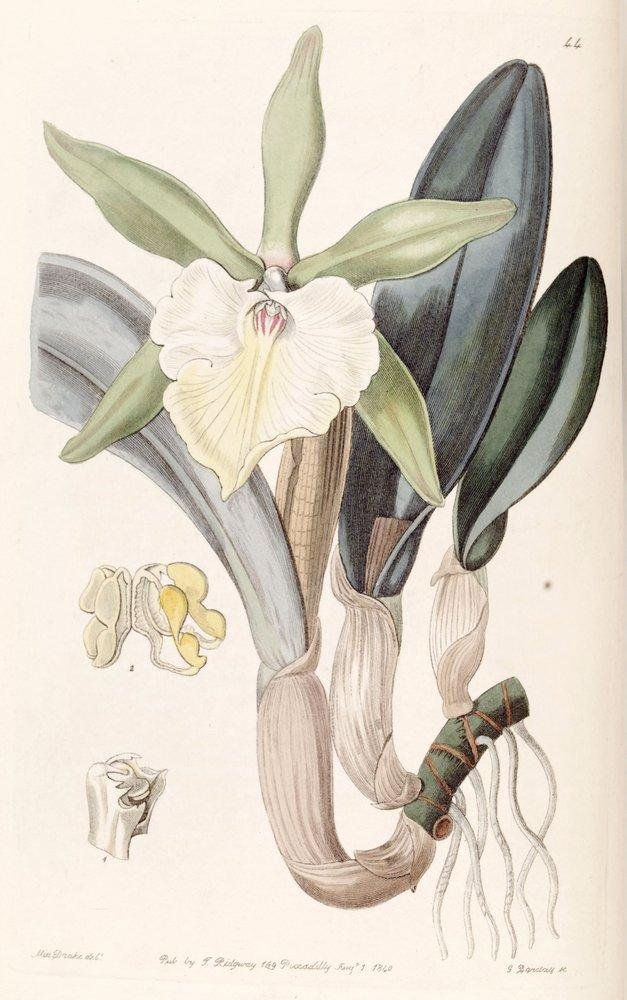
Artist Sarah Anne Drake
By the early 1830s, London was becoming obsessed with exotic plants.
Wealthy collectors were filling their greenhouses with species arriving from Asia, South America, and other distant parts of the world. Orchids were particularly desirable, with their extraordinary shapes, brilliant colors, and often astonishing prices.
Plant hunters traveled overseas in search of botanical treasures. Some returned with living specimens, others with dried plants and drawings. Nurseries competed to introduce unusual species, while scientific publications helped collectors identify what they were buying.
Much of this activity was tied to Britain's expanding imperial trade and colonial networks. Plants collected abroad could become fashionable possessions in English gardens, often with little recognition of the local people whose knowledge had helped collectors find them.
And Sarah Drake was about to become very busy!
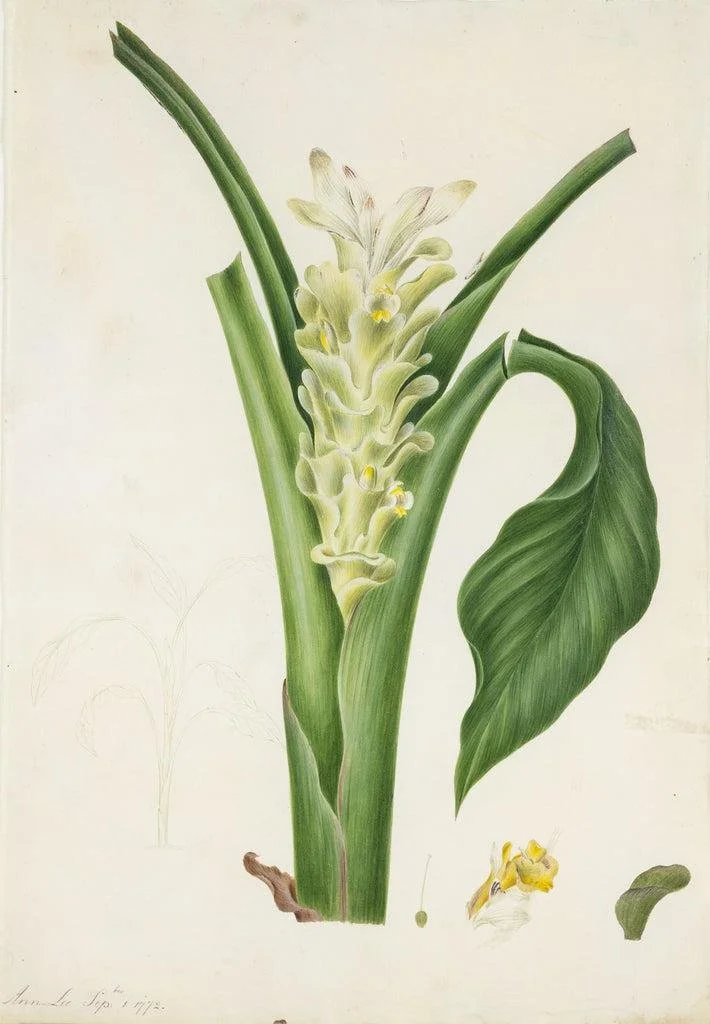
Artist Ann Lee
Ann lived much closer to this expanding world than most young women her age. Her father’s nursery received plants from overseas, and the men who collected, classified, and exchanged them were part of the family’s professional surroundings. While Parkinson recorded unfamiliar species in the Pacific, Ann had living botanical subjects in England.
Women’s professional ambitions, however, faced considerable limits. Drawing flowers was considered a suitable feminine accomplishment, something a young lady might learn alongside music or needlework. Producing scientifically accurate illustrations for collectors required another level of skill.
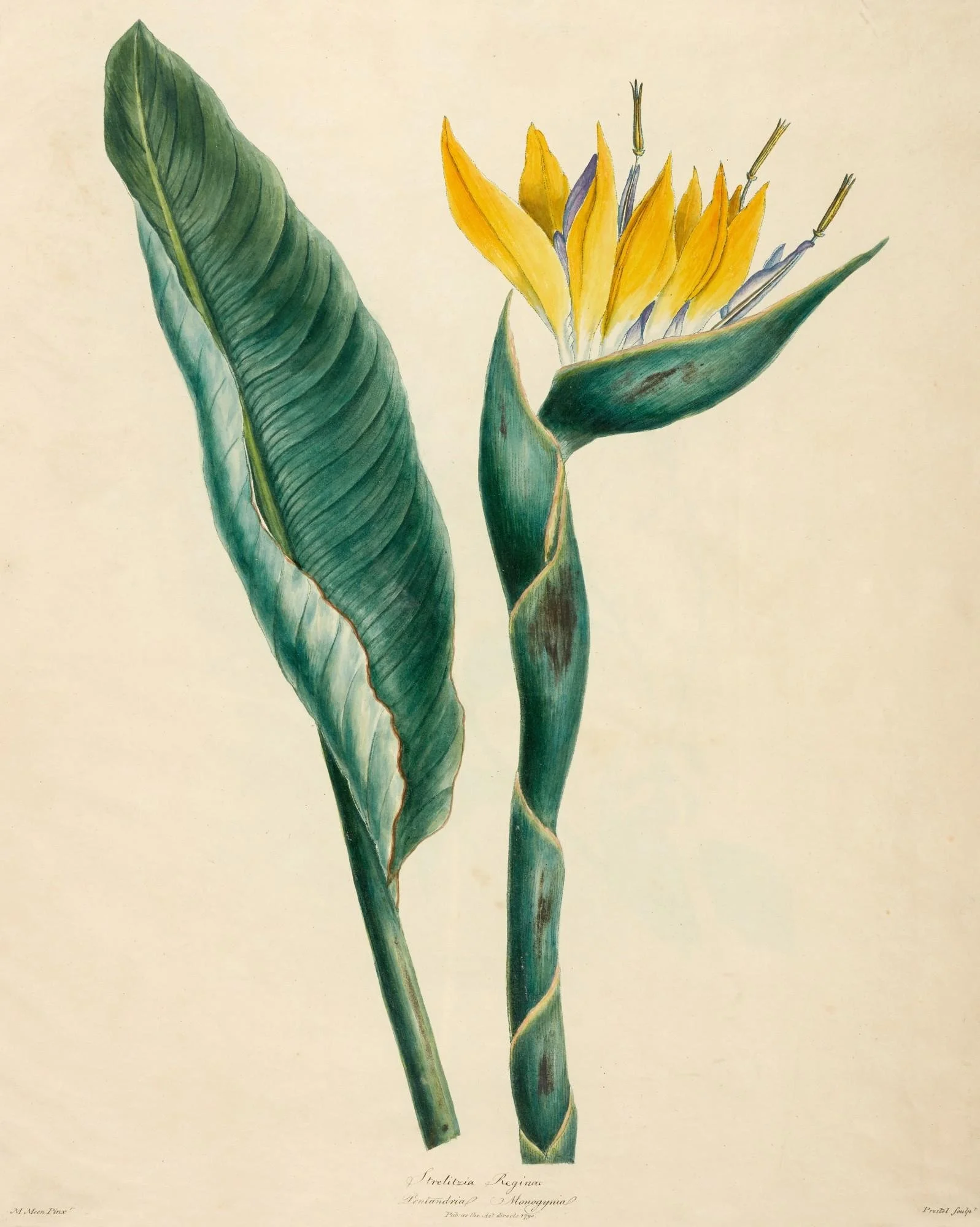
Artist Margaret Meen
In a 1781 letter from Norfolk botanist Thomas Woodward to botanical publisher William Curtis. He asks Curtis to provide her with botanical specimens to draw.
Thomas described her as ‘a young woman from Bungay who had settled in London to teach flower and insect painting’.
Margaret taught, sought specimens, and was connected to Britain’s expanding botanical publishing world. An English female floral artist whose reputation was growing in an established botanical network.
By 1789, Margaret’s pupils included Queen Charlotte, wife of George III.
The queen was a serious botany enthusiast. The royal gardens at Kew offered access to plants arriving from around the world, and drawing was par’ education included drawing.