
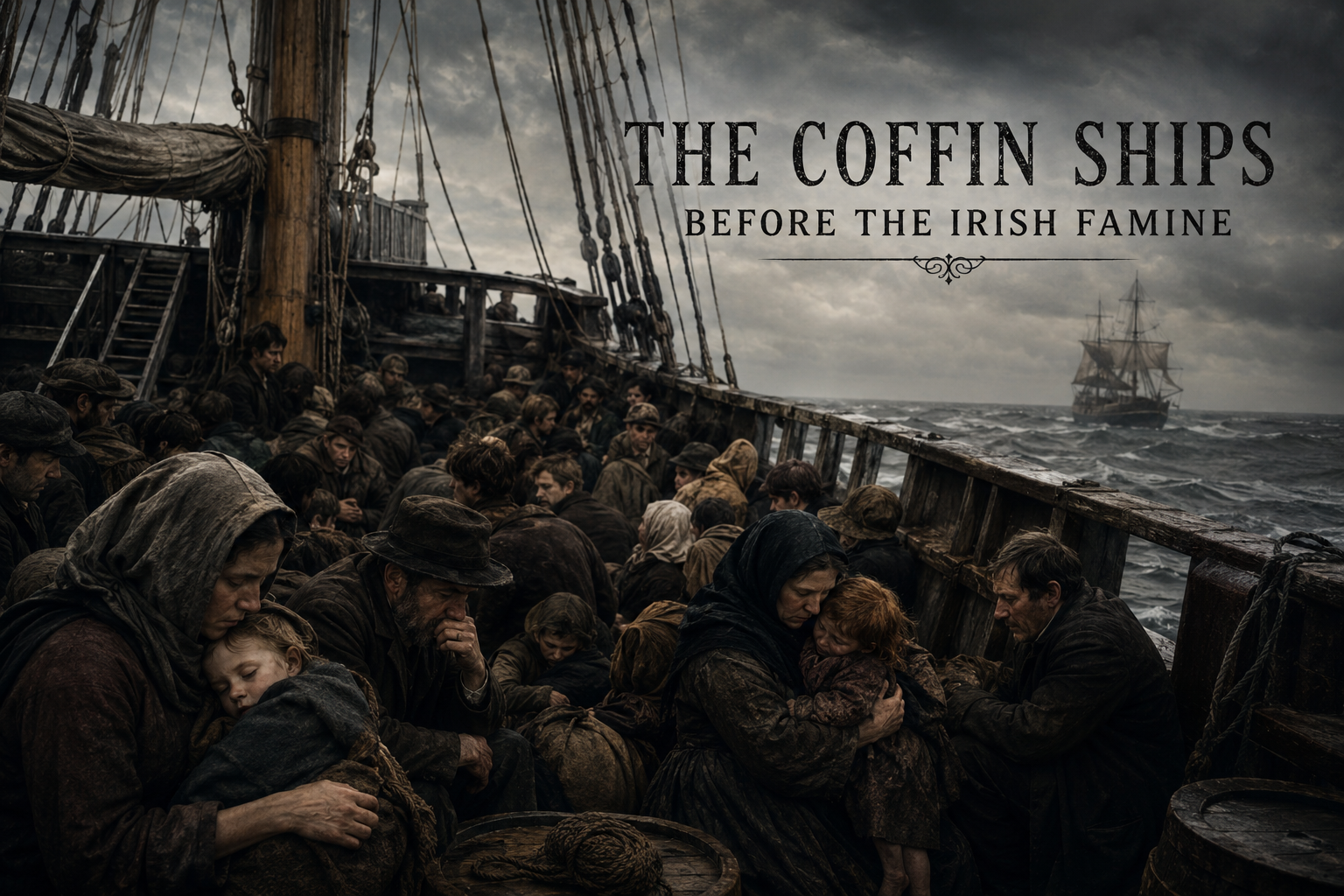
The Coffin Ships
During & After the Irish Famine (1845–1855) The famine-era coffin ships became infamous because conditions collapsed into humanitarian catastrophe. These ships were carrying people fleeing: starvation, eviction, disease, total economic collapse. Many boarded already severely weakened from: malnutrition, typhus, fever, dysentery. Shipowners often packed vessels beyond safe limits to maximize profit. Some ships became floating disease environments with almost no medical care. Mortality rates exploded.
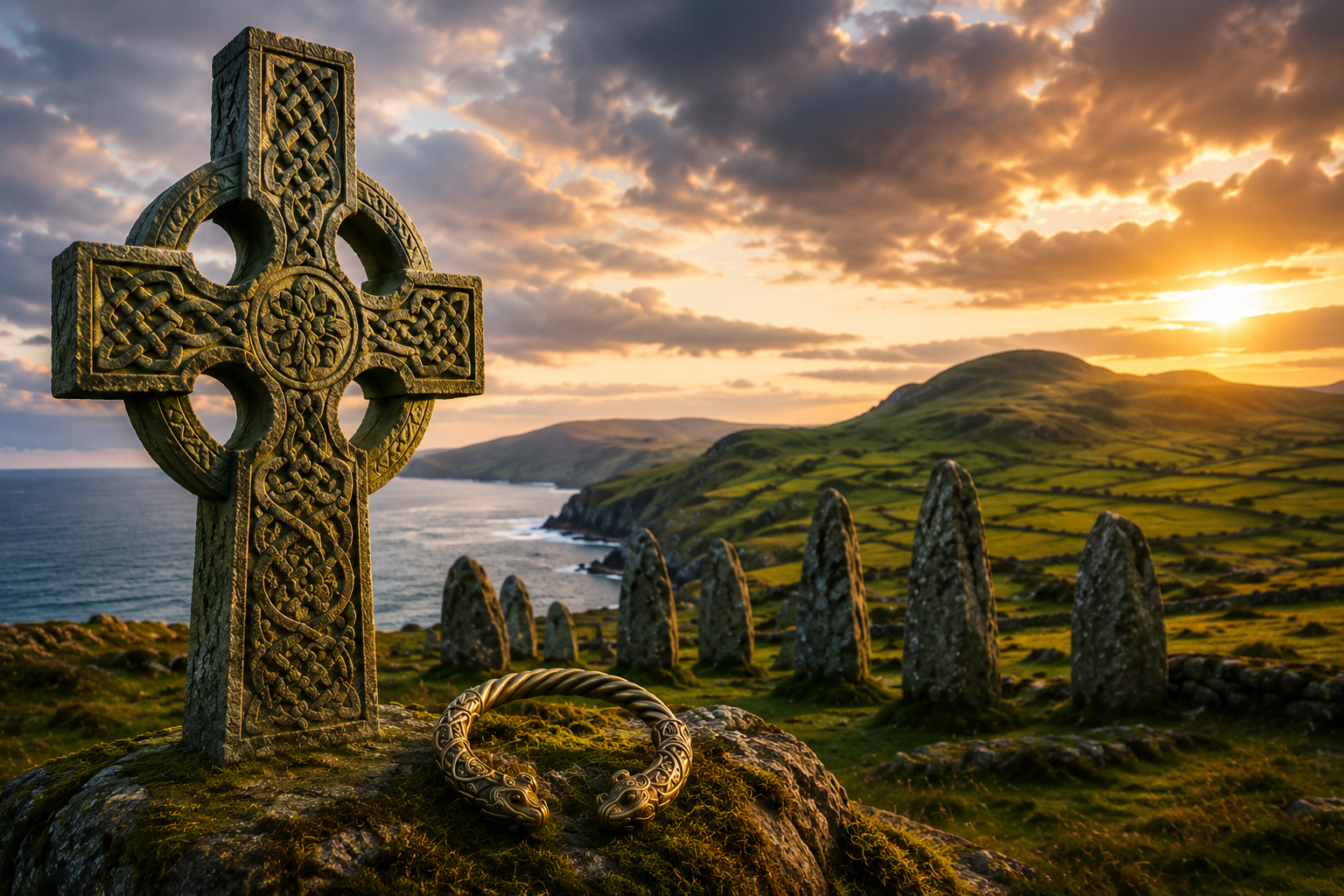
What Is Celtic and Gaelic?
“Norse settlers mixed with older Gaelic populations to create a distinct Norse-Gaelic culture still visible today in place names, language, folklore, and maritime tradition. Similar blending occurred throughout coastal Scotland and Ireland where Viking influence merged into existing Celtic societies. By the seventeenth and eighteenth centuries, many families connected to the Scots-Irish migrations carried these layered inheritances into Ulster and eventually America. Some ancestors spoke dialects influenced by Gaelic rhythms even if they no longer spoke the language fluently itself. Others carried inherited customs rooted in older Celtic seasonal traditions, music, storytelling, kinship systems, and frontier survival patterns that stretched back far beyond modern national identity.”

Annandale Scotland
“These dynasties shaped much of the western Border world during the late medieval and early modern periods. Their towers, estates, and influence stretched across the surrounding countryside, tying together neighboring lands through both cooperation and violent rivalry. The Maxwells rose into one of the dominant noble houses of southwestern Scotland.”