
2nd of Holmains
By 1426, John was holding his lands under Archibald Douglas, 5th Earl of Douglas.
In return, John owed feudal obligations attached to the land grant.
John’s land interests include Holmains and Little Dalton, Ecclefechan, Plewlands, Copwood, Bengahill, Moffat, Tundergarth, Glaisters, Newlands and Ruthwell. These weren’t all neighboring fields. They were scattered across the countryside, stretching north toward Moffat and south toward the Solway.
I find language in the old record sounds wonderfully romantic today.
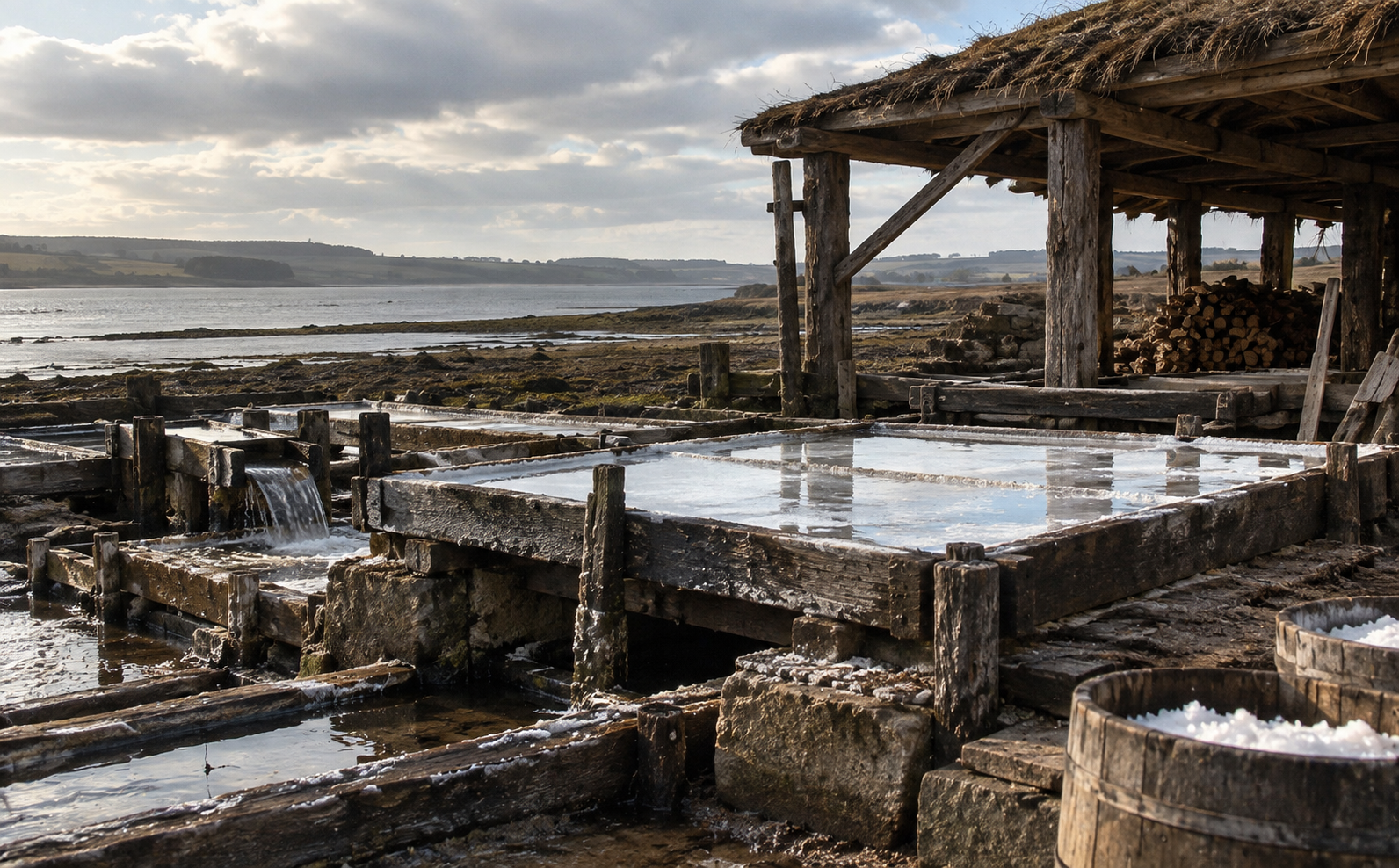
John held £10 lands at Ecclefechan, some merk lands elsewhere, something called ‘husbandlands’ at Ruthwell—and, tucked into the list, a saltcoat?
Land was commonly identified in value, while a husbandland was an agricultural holding associated with a tenant farmer.
So, the ‘little saltcoat at Ruthwell’ property is my favorite! What is it??
1st of Holmains
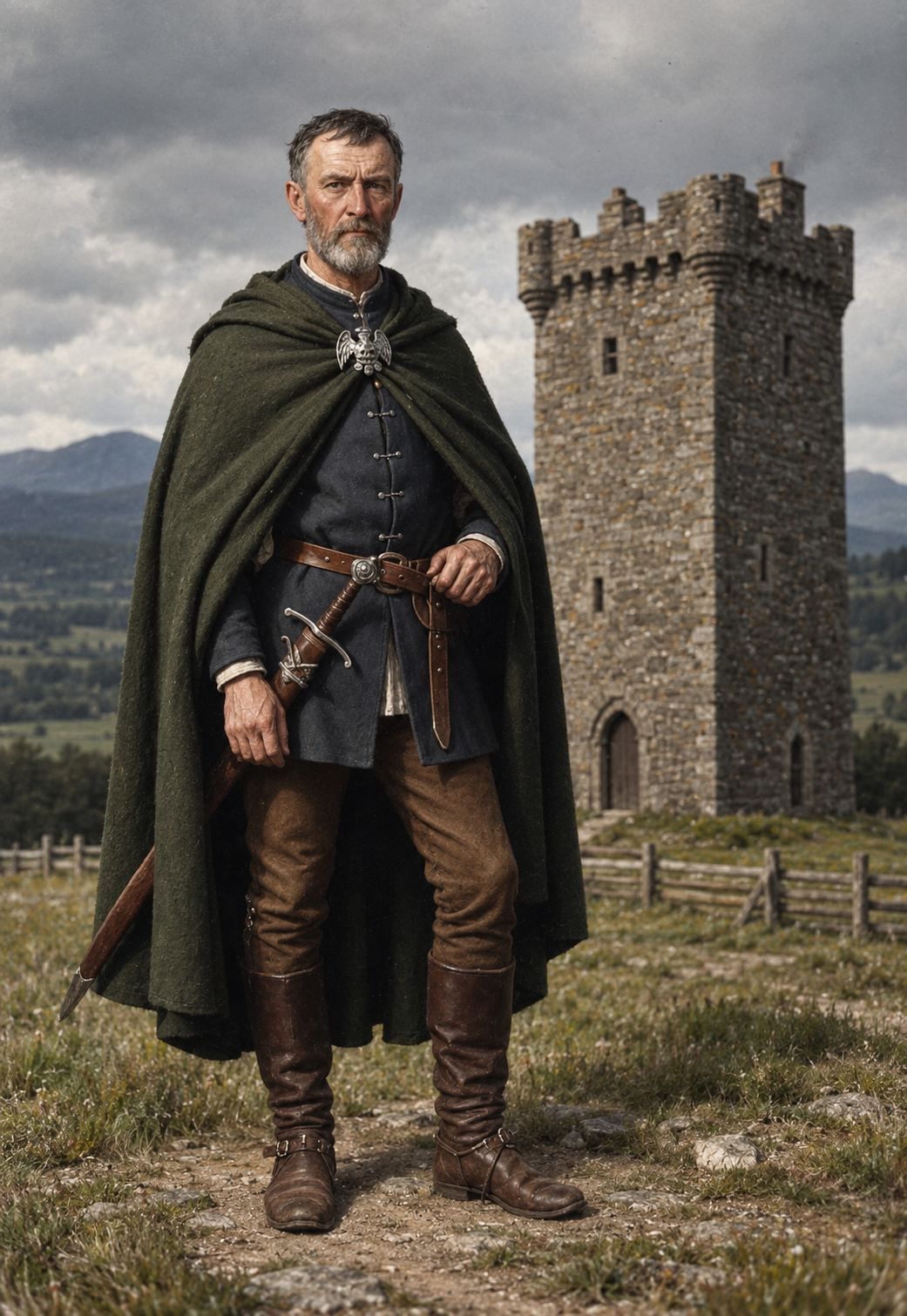
They regarded it as probable that he was a son of the John de Carrutheris who had received land from King David II in 1361.
In 1375 there was Roger de Carruthers receiving Holmains, Little Dalton and Fourteenaikerbank. Fifty years later a Carruthers controlled those properties and substantially more. Generation after generation thereafter can be followed through charters, retours, sasines, marriage settlements, lawsuits and testaments.
Eventually the descendants of this small fourteenth-century landed house would become the senior Carruthers line.
Annandale Scotland
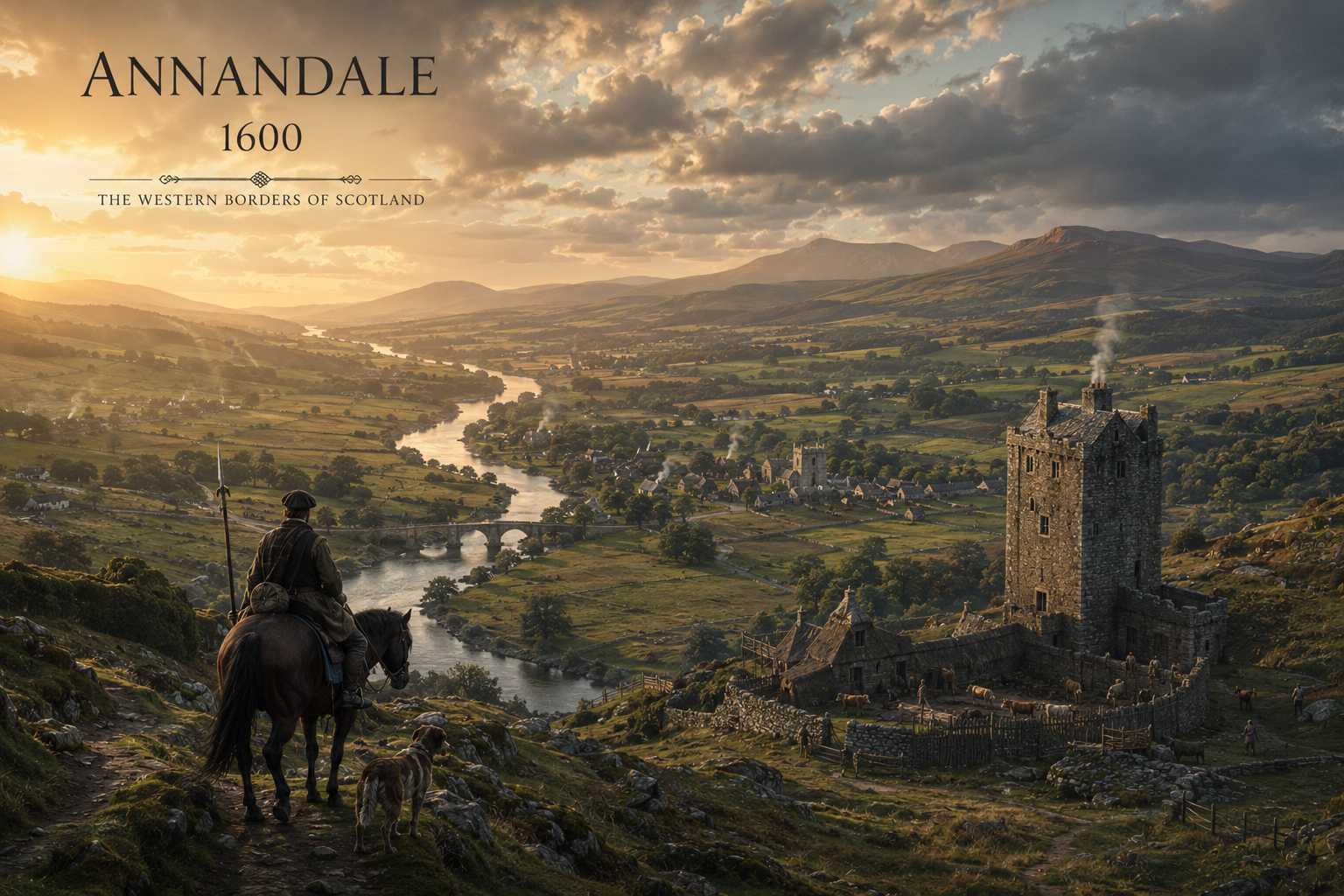
“These dynasties shaped much of the western Border world during the late medieval and early modern periods. Their towers, estates, and influence stretched across the surrounding countryside, tying together neighboring lands through both cooperation and violent rivalry. The Maxwells rose into one of the dominant noble houses of southwestern Scotland.”