
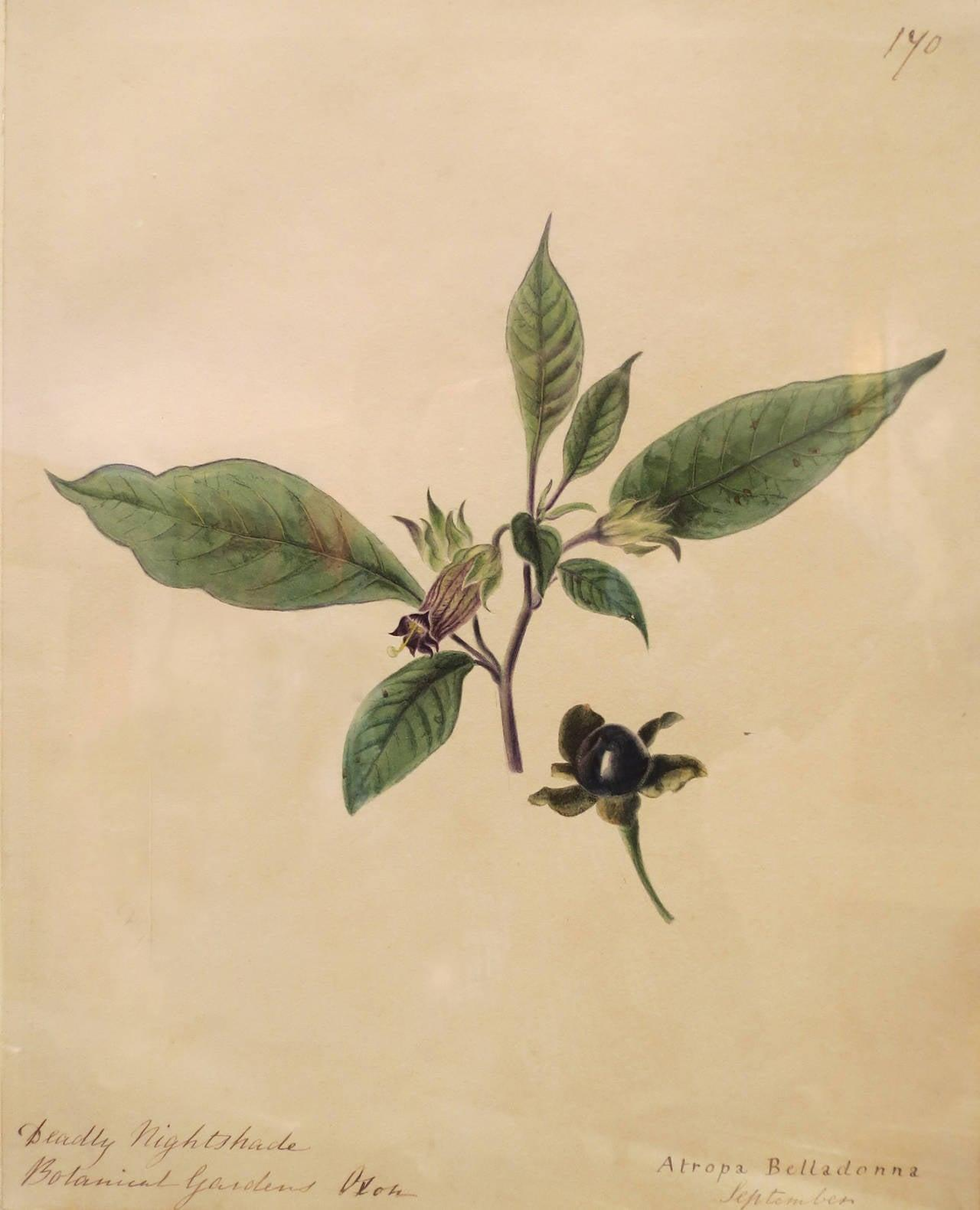
Artist Emily Stackhouse
Emily was a remarkable Victorian botanical artist and naturalist who spent decades studying Britain's wildflowers. She produced more than 620 delicate botanical watercolors, often noting exactly where and when she found her specimens.
Her illustrations appeared in Charles Alexander Johns's popular Flowers of the Field (1851). She earned botanical awards, quietly building an extraordinary scientific and artistic legacy. Emily lived until 1870, leaving behind a beautiful, vast record of Britain's natural botany.
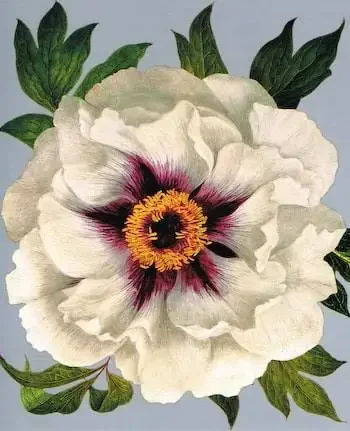
Artist Clara Maria Pope
She began her adult life as Clara Leigh, appeared in exhibition records as Mrs. Wheatley, and would now continue her career as Mrs. Pope. Three names, one artist.
Under this final name, Clara produced some of the remarkable floral watercolors for which she is remembered today.
She was already an experienced artist. She had exhibited at the Royal Academy, worked in portraiture, and endured years of financial uncertainty. Her second marriage brought her into another artistic household, this time with Alexander Pope, whose acting career connected the couple to London’s theatrical world.
An especially interesting connection involves Princess Sophia, daughter of King George III and Queen Charlotte.
In 1815, Clara published an engraving of the princess, evidence that their association extended beyond painting lessons.
For Clara, whose first husband's financial difficulties had once threatened the family's security, these aristocratic connections reveal another important dimension of her working life. She was a professional woman whose skills as a painter, miniaturist, and instructor earned her recognition in circles where women were often encouraged to practice art as an accomplishment rather than a livelihood.
Clara’s flower paintings became her most distinctive contribution. She was self-made.
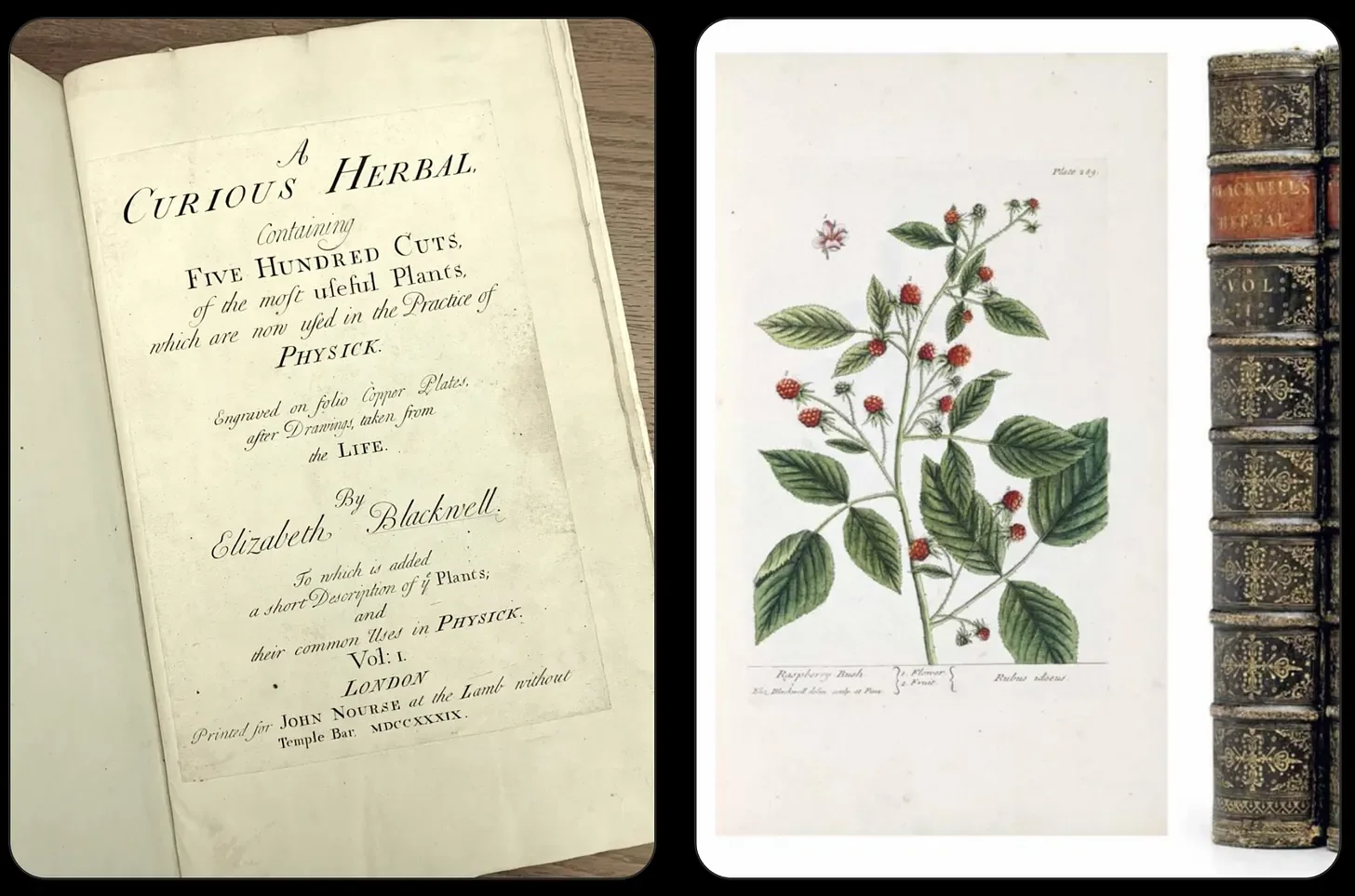
Artist Elizabeth Blackwell
Her early eighteenth-century house was on one side of the street and the Physic Garden wall on the other.
She lived in a giant art studio day & night.
She studied living plants at the Chelsea Physic Garden under the guidance of its botanical experts. She worked with living specimens, examining their shapes and botanical features to illustrate them accurately. And Isaac Rand, who supervised the garden, provided botanical instruction.
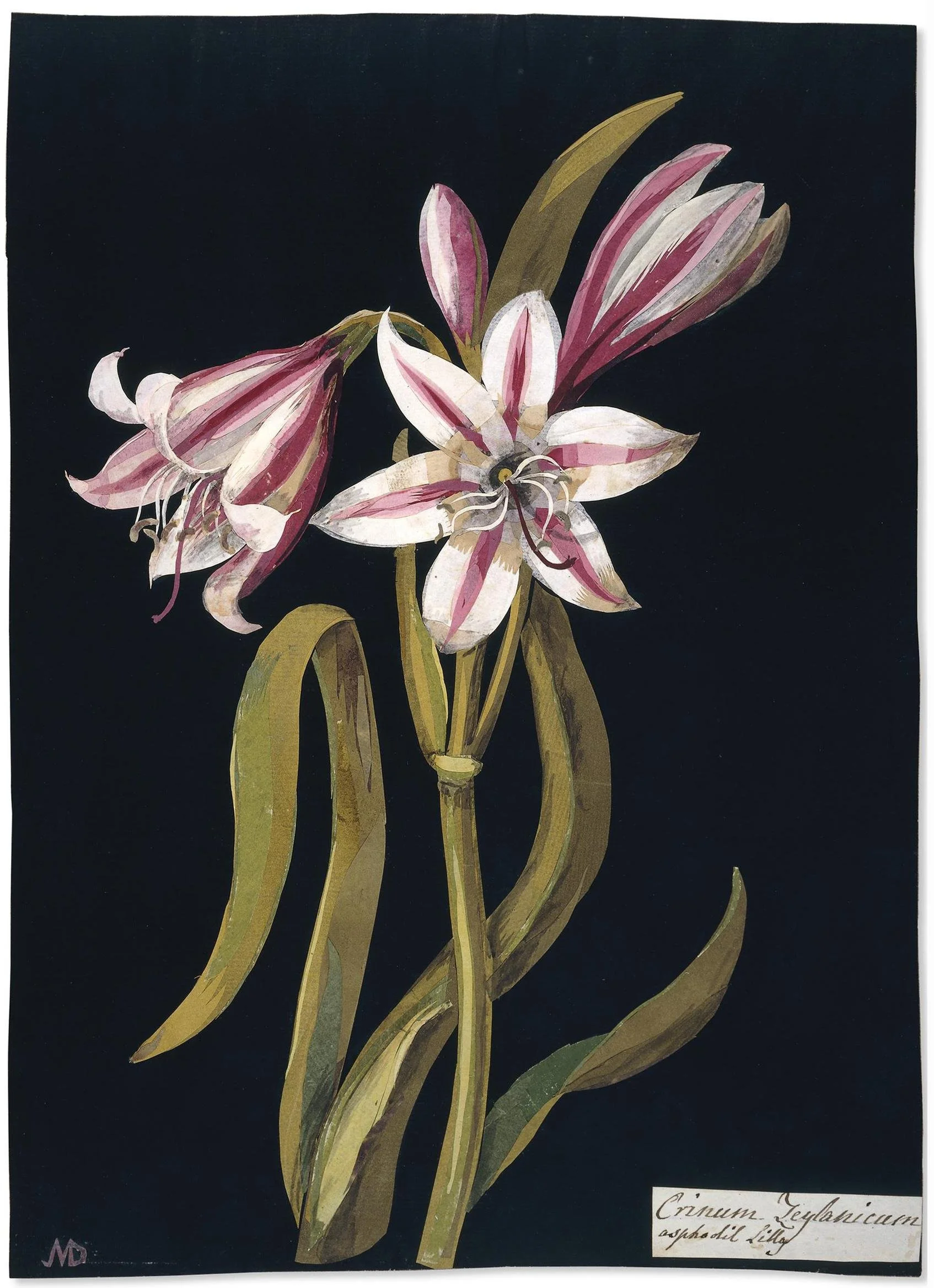
Artist Mary Delany
Mary’s projected future was tied to that network: they were preparing her to serve Queen Anne.
She was not raised to become an artist.
She was being prepared for court…
At about six, Mary was sent to a small school run by Mademoiselle Puelle, a French refugee who apparently kept it deliberately small. Mary later remembered her as a kind, good teacher. Her education there included French and music.
Then, at about eight, Mary’s life changed again; she went to live with her father’s sister Anne Stanley, usually called Lady Stanley, at Whitehall. It was part of a deliberate plan for her future, not because she had been orphaned or displaced. Lady Stanley was childless and had court experience herself; she had been a maid of honor to Queen Mary.
The plan was for Mary to enter Queen Anne's household. Mary’s education had a purpose.
She needed the skills expected of a young gentlewoman who might live at court.
There, she learned French, English, history, music, dancing, and needlework.
Her hands were already being trained.