
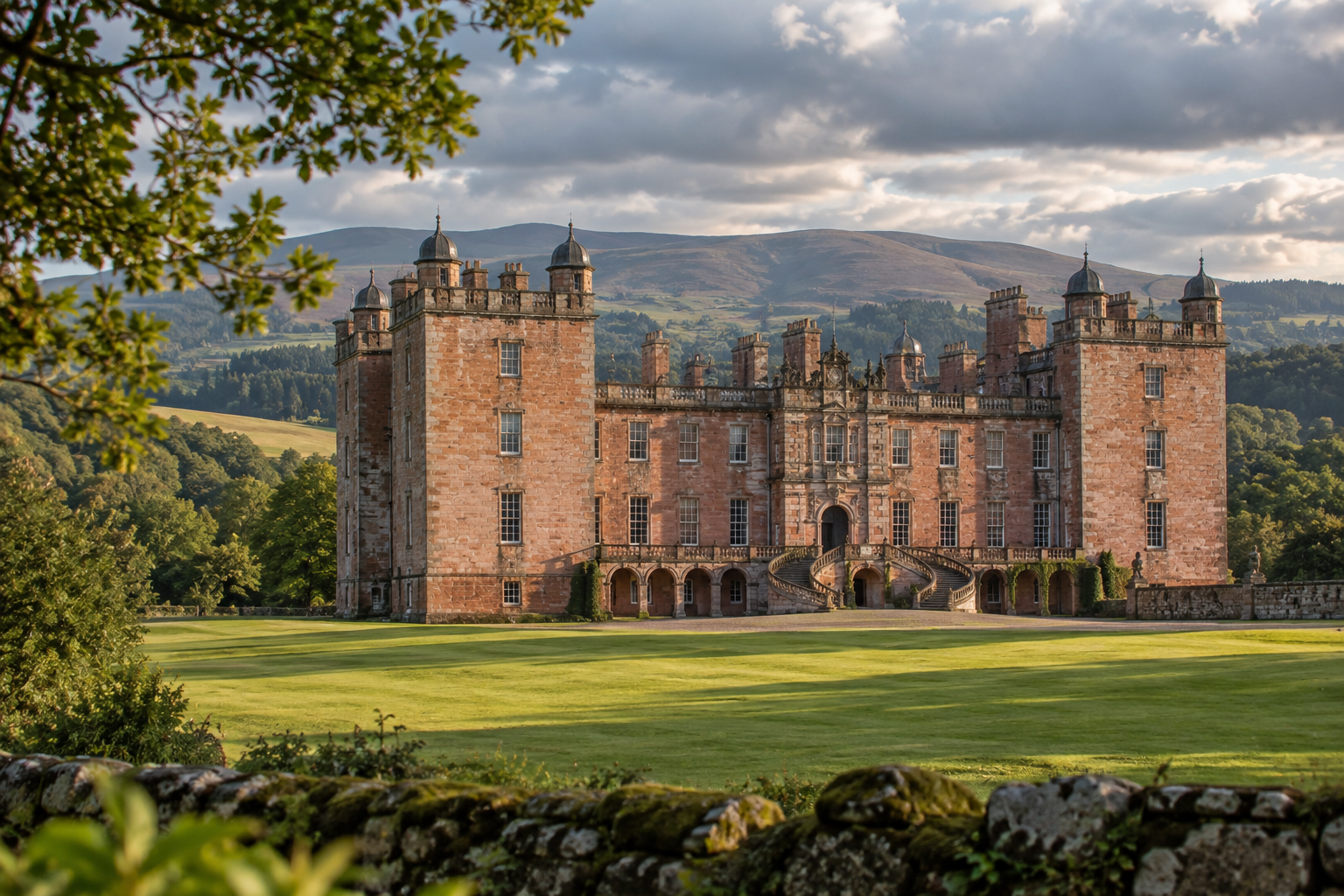
Lairds of Drumlanrig
James had married Angus’s sister Margaret. Their children carried the blood of both Douglas houses, and the families were tied together by marriage as well as name. But being family did not mean standing together when politics turned ugly.
By 1526, Angus had gained control of the young king. James V was about fourteen years old, old enough to understand that although he wore the crown, other men were deciding where he went, whom he saw, and how Scotland was governed.
Not everyone was willing to leave him there.
That summer, Walter Scott of Buccleuch gathered men in an attempt to take the king out of Douglas hands. James of Drumlanrig joined him.
It was an extraordinary position for James to find himself in. He was a Douglas riding against other Douglases, including the family of his own wife.
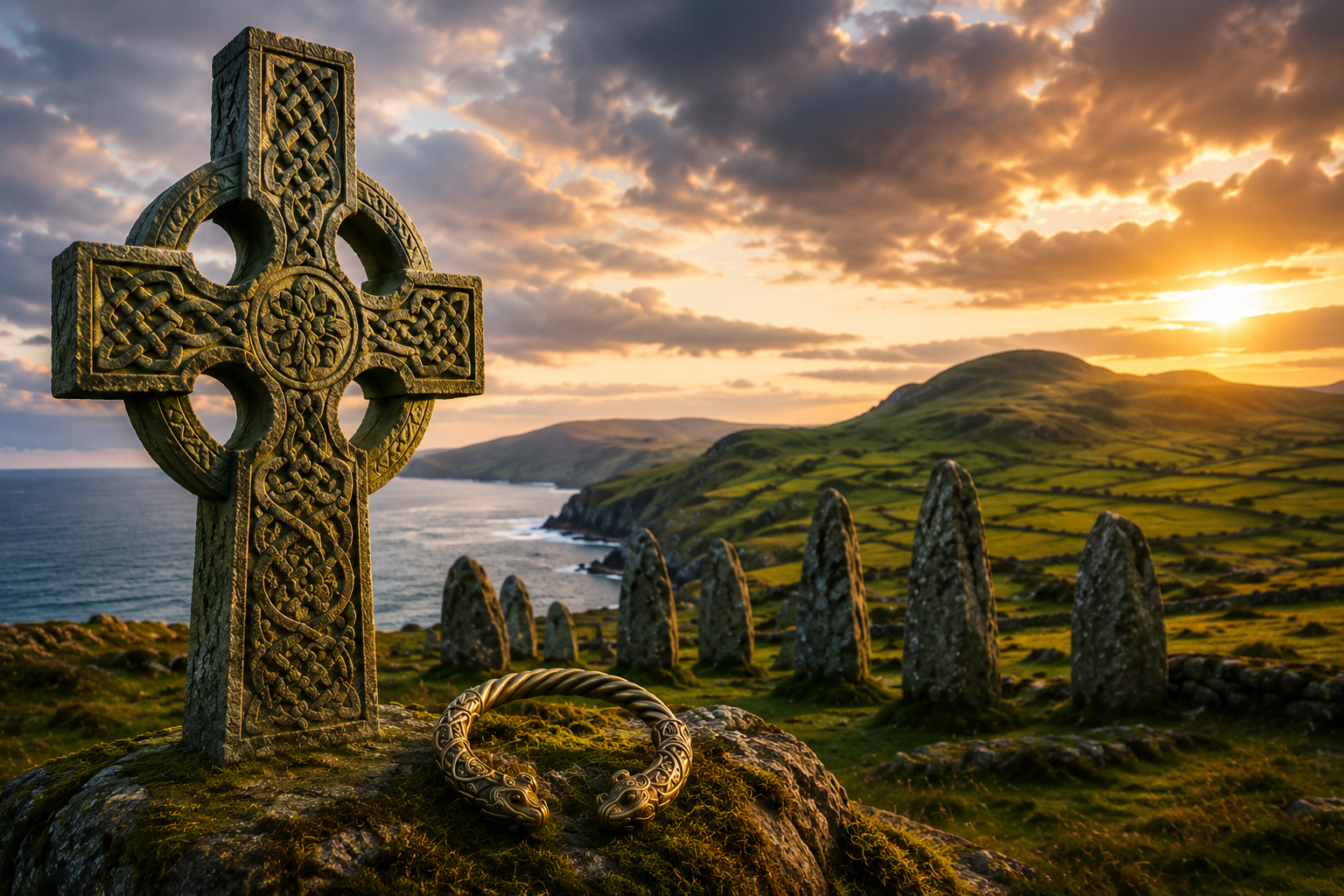
What Is Celtic and Gaelic?
“Norse settlers mixed with older Gaelic populations to create a distinct Norse-Gaelic culture still visible today in place names, language, folklore, and maritime tradition. Similar blending occurred throughout coastal Scotland and Ireland where Viking influence merged into existing Celtic societies. By the seventeenth and eighteenth centuries, many families connected to the Scots-Irish migrations carried these layered inheritances into Ulster and eventually America. Some ancestors spoke dialects influenced by Gaelic rhythms even if they no longer spoke the language fluently itself. Others carried inherited customs rooted in older Celtic seasonal traditions, music, storytelling, kinship systems, and frontier survival patterns that stretched back far beyond modern national identity.”
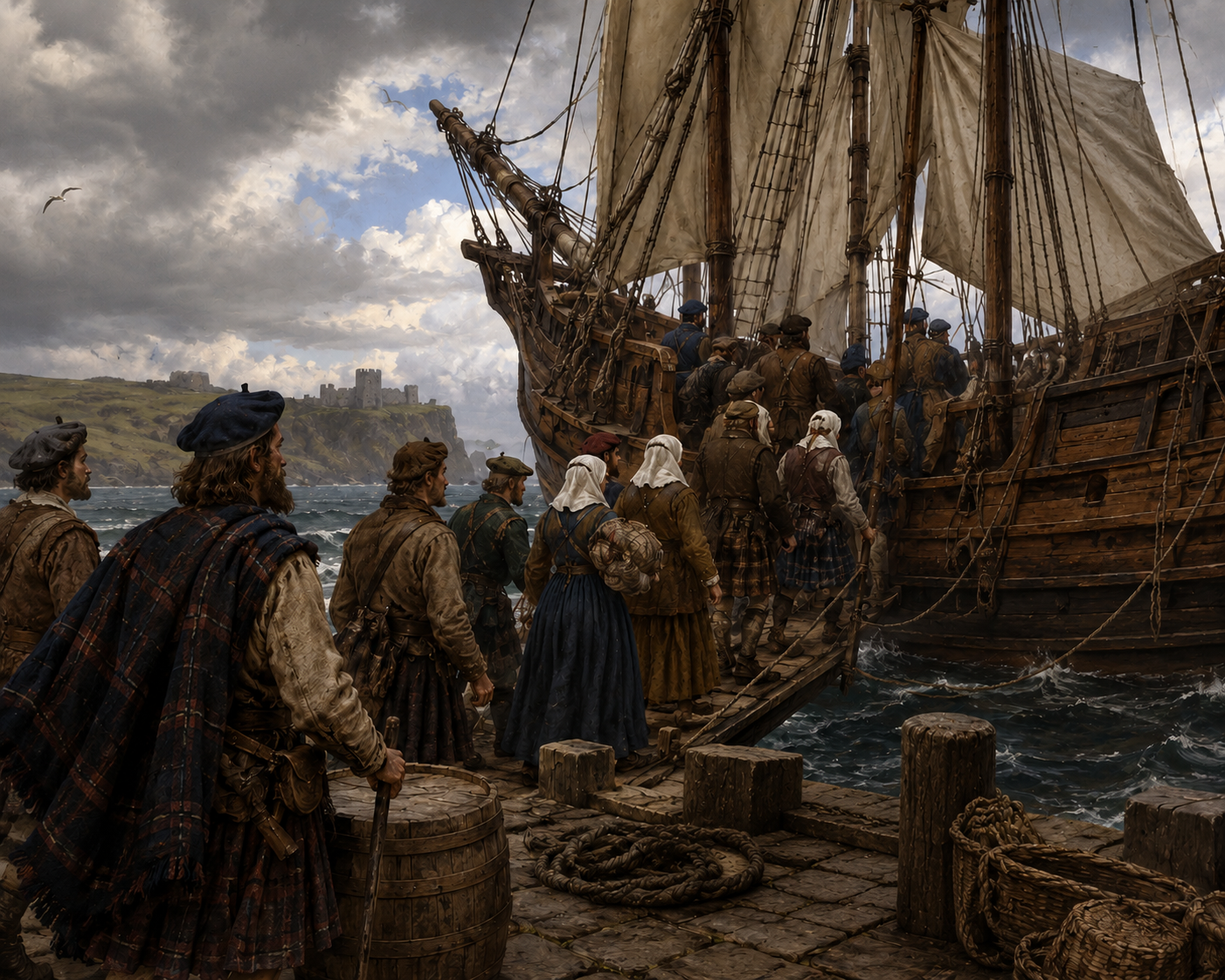
Crossing Over to Ulster
“It began with Scotland looking westward toward Ulster. The movement had deep roots stretching back into the medieval period. Scottish warriors, merchants, churchmen, and settlers had crossed into Ireland for centuries, particularly along the northeastern coast. The sea routes between Galloway, Ayrshire, the Hebrides, and Ulster formed part of an interconnected maritime world where movement was common and identities often overlapped.”