
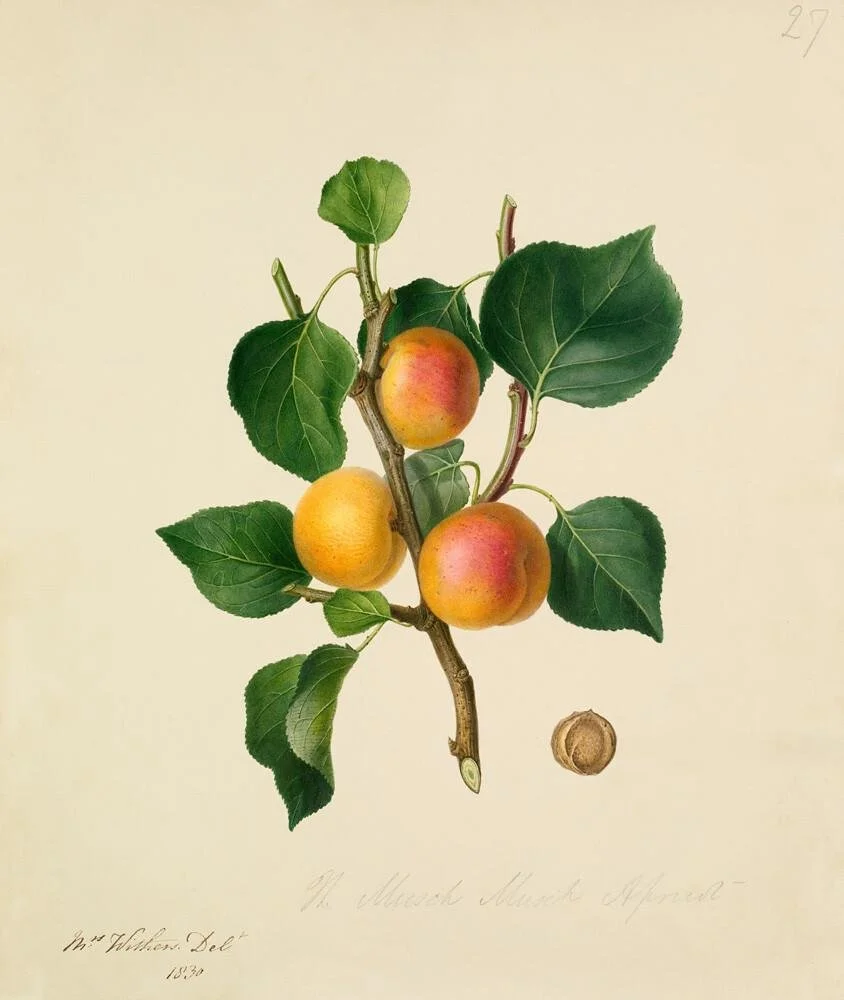
Artist Augusta Innes Withers
Then, she was appointed flower painter to Queen Adelaide…
Adelaide was the wife of William IV, who ascended the throne in June 1830 after his brother George IV died.
Augusta's appointment as flower painter placed her work within the royal household—an impressive distinction for an artist who had already spent years building her reputation.
There was plenty of work for a talented botanical painter in London during these years. The Horticultural Society was collecting plants from Britain and abroad, and its gardens at Chiswick were becoming an important center for horticultural research. Gardeners were experimenting with new varieties of fruit, while collectors competed to grow unfamiliar flowers brought back from overseas.
The Horticultural Society established experimental gardens at Chiswick, just west of London, where gardeners cultivated unfamiliar plants, tested new fruit varieties, and supplied specimens for botanical artists to record.
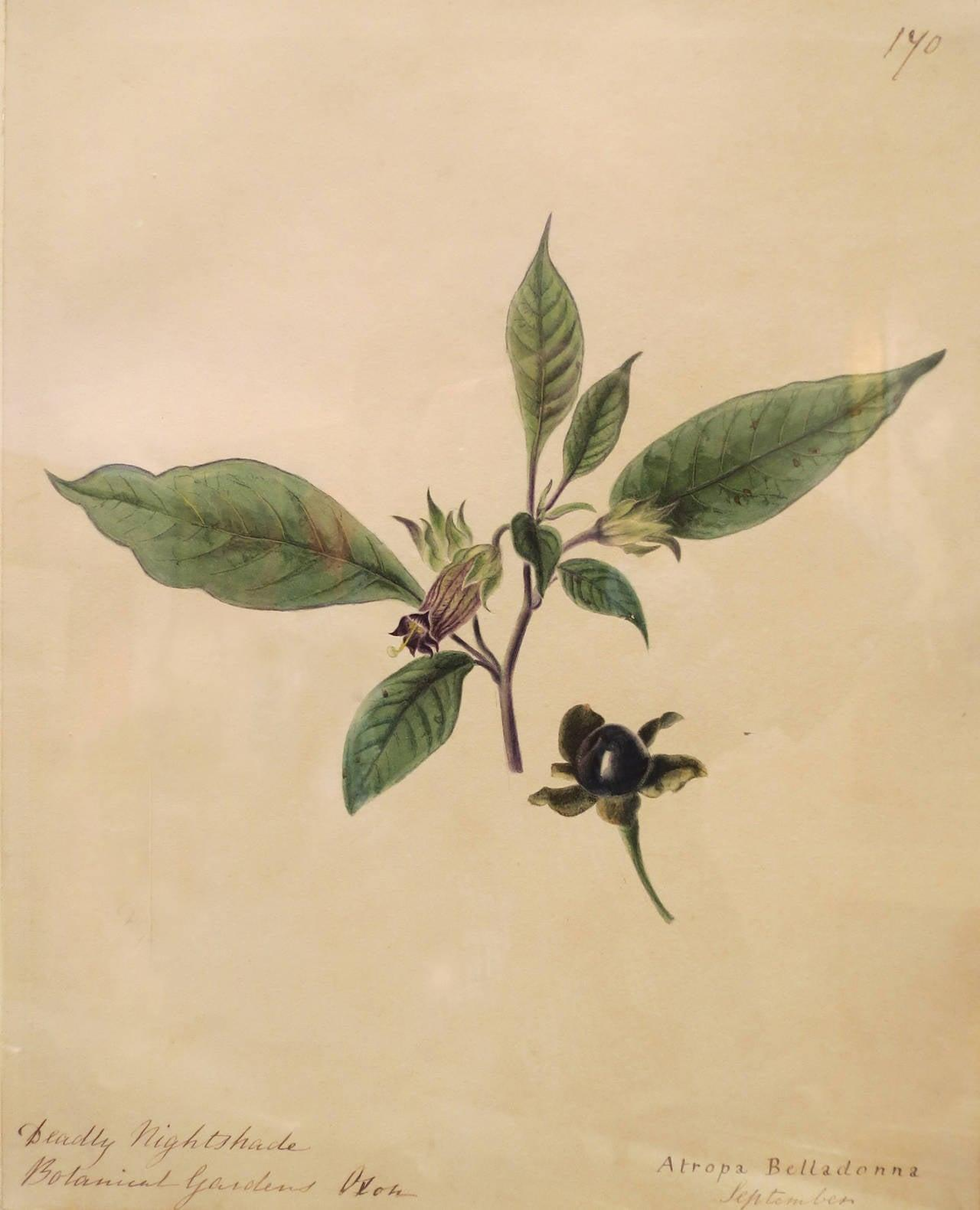
Artist Emily Stackhouse
Emily was a remarkable Victorian botanical artist and naturalist who spent decades studying Britain's wildflowers. She produced more than 620 delicate botanical watercolors, often noting exactly where and when she found her specimens.
Her illustrations appeared in Charles Alexander Johns's popular Flowers of the Field (1851). She earned botanical awards, quietly building an extraordinary scientific and artistic legacy. Emily lived until 1870, leaving behind a beautiful, vast record of Britain's natural botany.
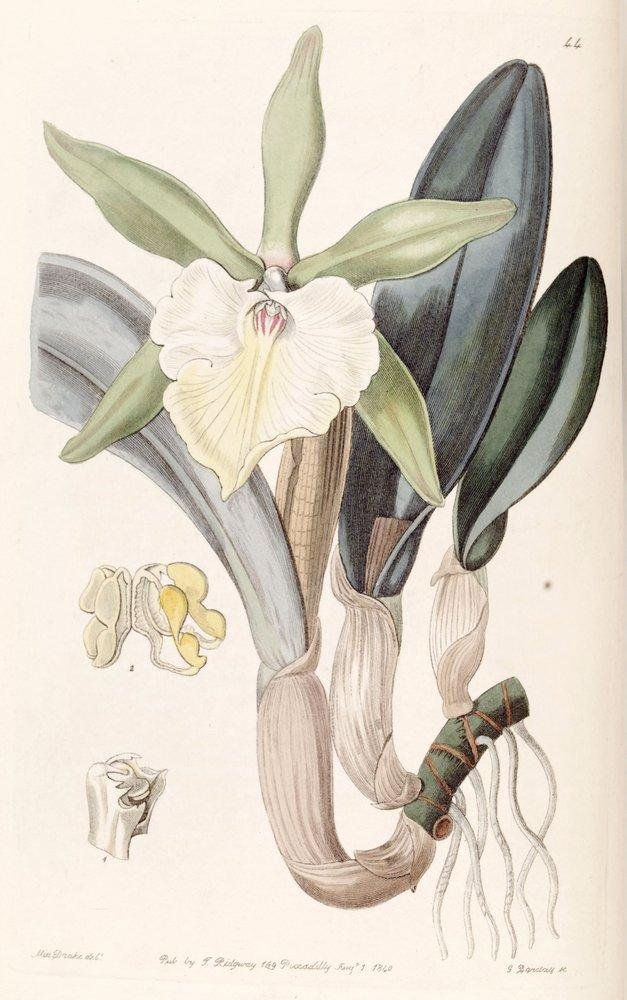
Artist Sarah Anne Drake
By the early 1830s, London was becoming obsessed with exotic plants.
Wealthy collectors were filling their greenhouses with species arriving from Asia, South America, and other distant parts of the world. Orchids were particularly desirable, with their extraordinary shapes, brilliant colors, and often astonishing prices.
Plant hunters traveled overseas in search of botanical treasures. Some returned with living specimens, others with dried plants and drawings. Nurseries competed to introduce unusual species, while scientific publications helped collectors identify what they were buying.
Much of this activity was tied to Britain's expanding imperial trade and colonial networks. Plants collected abroad could become fashionable possessions in English gardens, often with little recognition of the local people whose knowledge had helped collectors find them.
And Sarah Drake was about to become very busy!
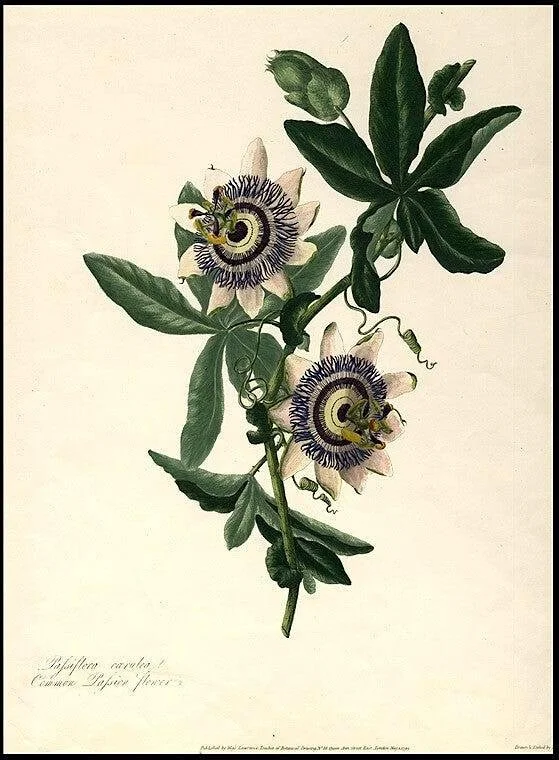
Artist Mary Lawrance
In the 19th century, London’s vineyards and nurseries supplied lush gardens for rich aristocrats and prosperous merchants. Botanical publications introduced readers to new plants they might never see growing in England. And floral collectors paid considerable sums for these rare specimens, while artists worked to capture their colors and structures before the flowers faded.
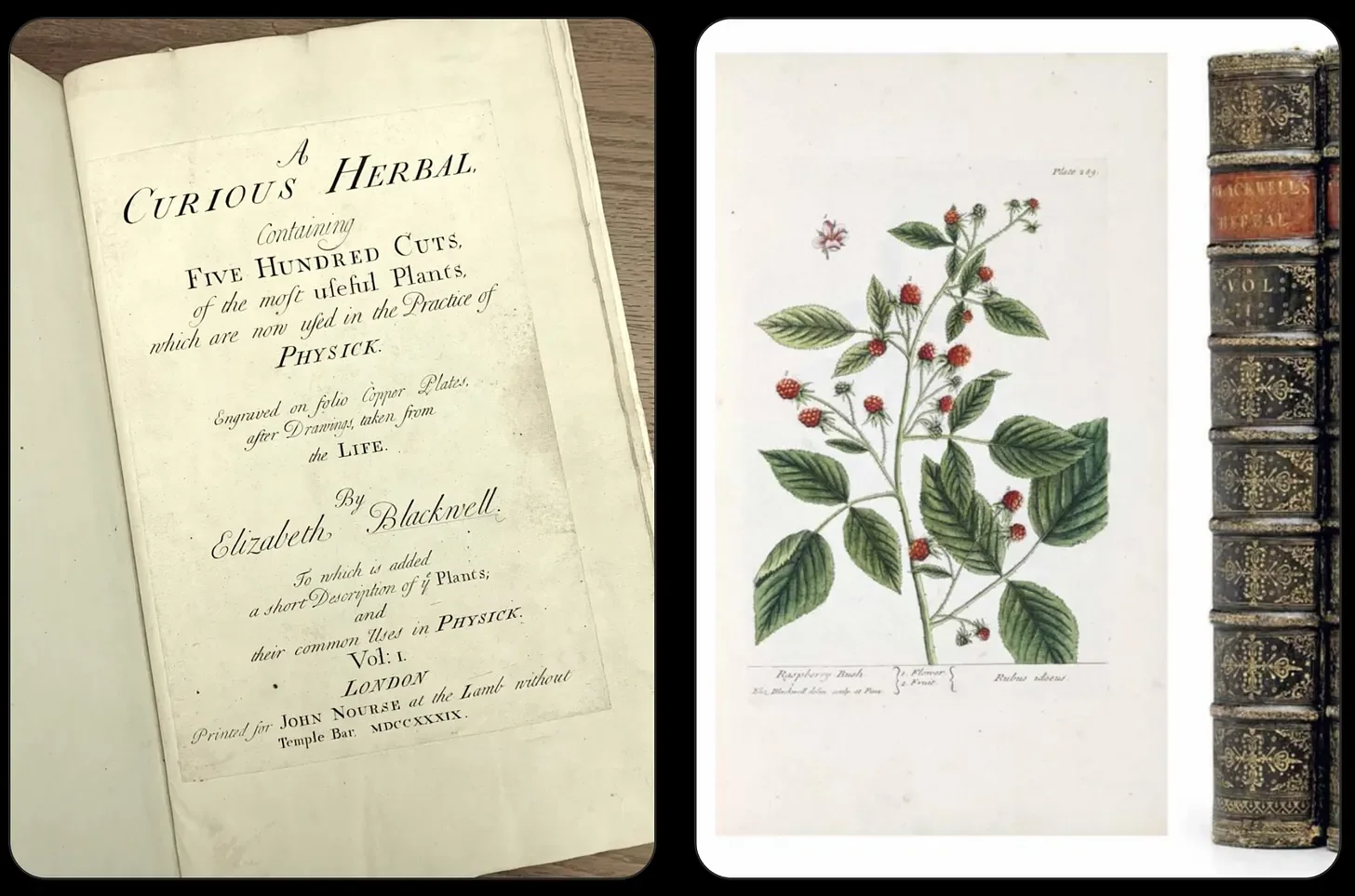
Artist Elizabeth Blackwell
Her early eighteenth-century house was on one side of the street and the Physic Garden wall on the other.
She lived in a giant art studio day & night.
She studied living plants at the Chelsea Physic Garden under the guidance of its botanical experts. She worked with living specimens, examining their shapes and botanical features to illustrate them accurately. And Isaac Rand, who supervised the garden, provided botanical instruction.