
2nd of Holmains
By 1426, John was holding his lands under Archibald Douglas, 5th Earl of Douglas.
In return, John owed feudal obligations attached to the land grant.
John’s land interests include Holmains and Little Dalton, Ecclefechan, Plewlands, Copwood, Bengahill, Moffat, Tundergarth, Glaisters, Newlands and Ruthwell. These weren’t all neighboring fields. They were scattered across the countryside, stretching north toward Moffat and south toward the Solway.
I find language in the old record sounds wonderfully romantic today.
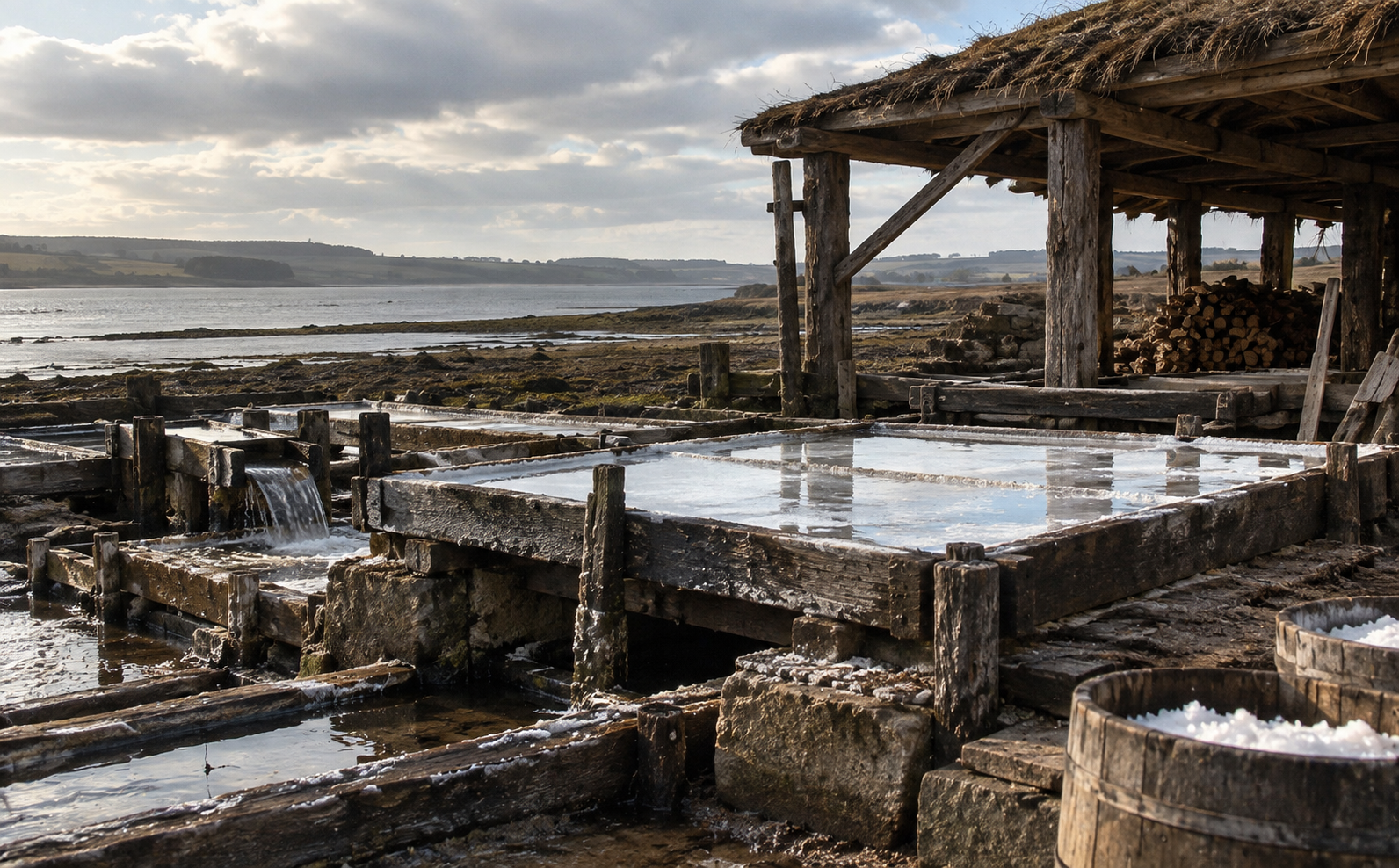
John held £10 lands at Ecclefechan, some merk lands elsewhere, something called ‘husbandlands’ at Ruthwell—and, tucked into the list, a saltcoat?
Land was commonly identified in value, while a husbandland was an agricultural holding associated with a tenant farmer.
So, the ‘little saltcoat at Ruthwell’ property is my favorite! What is it??
Janet Johnstone (1655-1720)
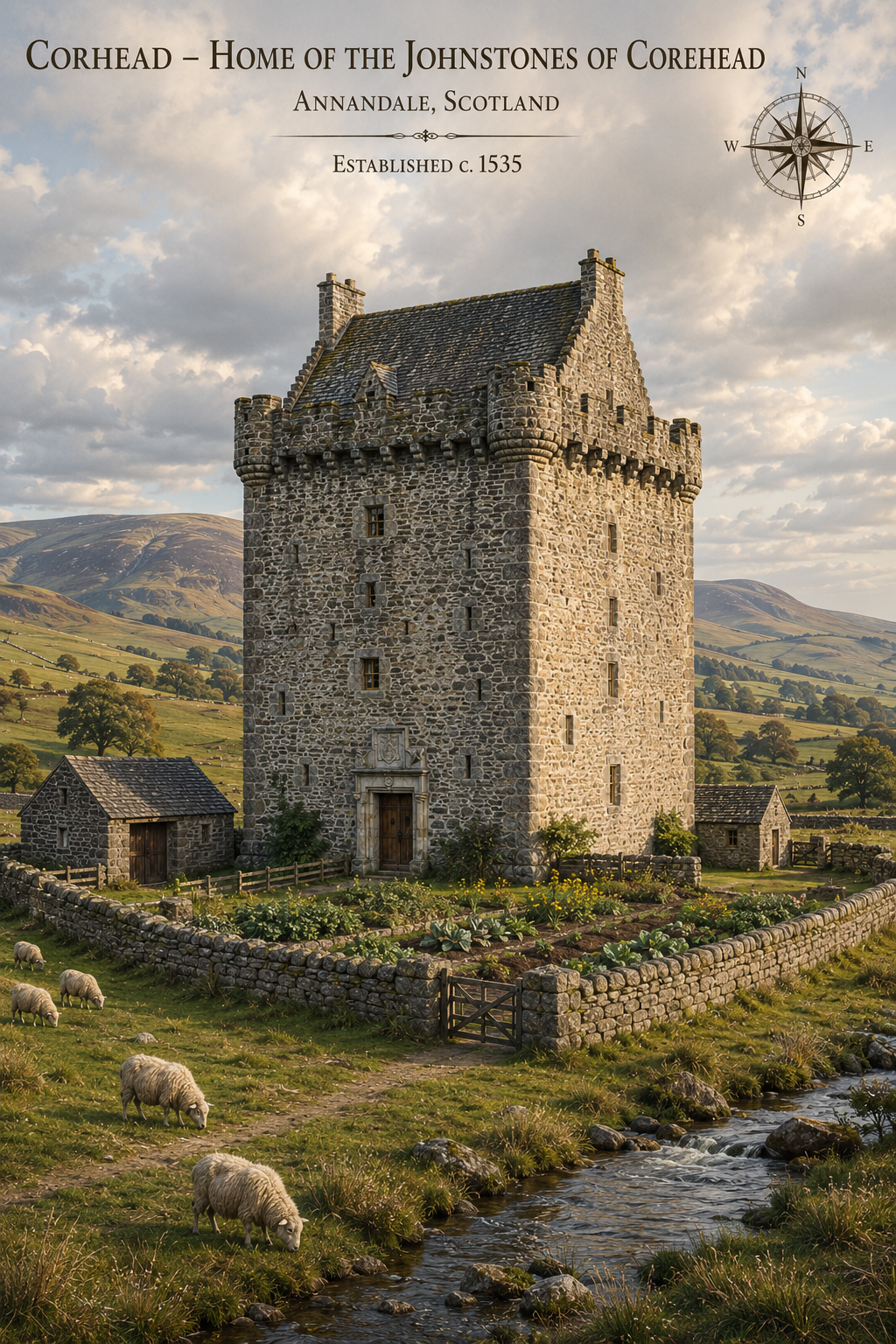
They belonged to a cadet branch of the powerful Johnstones of Annandale, a family whose influence stretched across Dumfriesshire for centuries. Corheid itself lay only a short distance from Breconside and formed part of a network of Johnstone properties that included Lochhouse and neighboring estates.
By the middle of the seventeenth century, James Johnstone the younger of Corheid had married Janet Douglas, linking the Border Johnstones with one of Scotland's most distinguished noble families. Their children inherited far more than land.
They inherited a world shaped by clan loyalty, legal tradition, and generations of service to the Scottish Crown.