
2nd of Holmains
By 1426, John was holding his lands under Archibald Douglas, 5th Earl of Douglas.
In return, John owed feudal obligations attached to the land grant.
John’s land interests include Holmains and Little Dalton, Ecclefechan, Plewlands, Copwood, Bengahill, Moffat, Tundergarth, Glaisters, Newlands and Ruthwell. These weren’t all neighboring fields. They were scattered across the countryside, stretching north toward Moffat and south toward the Solway.
I find language in the old record sounds wonderfully romantic today.
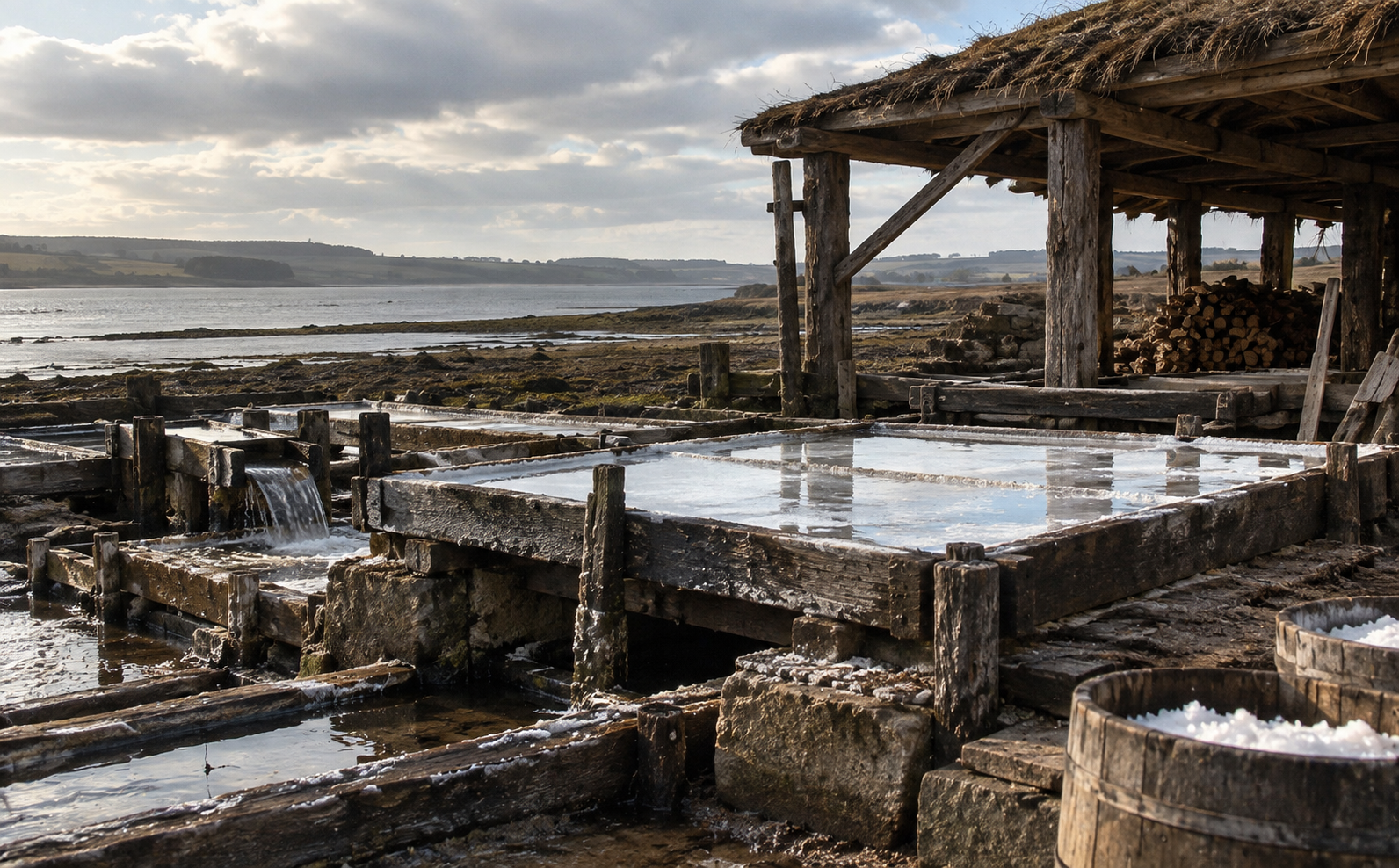
John held £10 lands at Ecclefechan, some merk lands elsewhere, something called ‘husbandlands’ at Ruthwell—and, tucked into the list, a saltcoat?
Land was commonly identified in value, while a husbandland was an agricultural holding associated with a tenant farmer.
So, the ‘little saltcoat at Ruthwell’ property is my favorite! What is it??
Microhistory Explained
Think your work might practice Microhistory?
Here is an example of using the Microhistory methods while writing;
1. Establish the person in the record. Begin with what surviving documents can actually establish before attempting reconstruction. Reduce the scale of investigation to a person, family, event, community, or other tightly bounded subject.
2. Build the chronology. Arrange documented events in sequence so that both continuity and gaps in the evidence become visible. Reconstruct the physical landscape in which the documented events occurred.
3. Expand outward from the individual. Investigate the people and institutions surrounding the subject because their records may preserve evidence the subject did not leave behind.
4. Reconstruct the immediate world. Use the history of the period and place to understand the conditions in which the individual lived. Bring together records, books, testimony, material culture, and comparable contemporary evidence without pretending that contextual evidence is personal evidence.
5. Separate fact from inference. Distinguish what the documents prove from what clues make probable, plausible, or merely possible. Historian Carlo Ginzburg’s writings on the evidential paradigm are particularly important here.
The Isle of Man
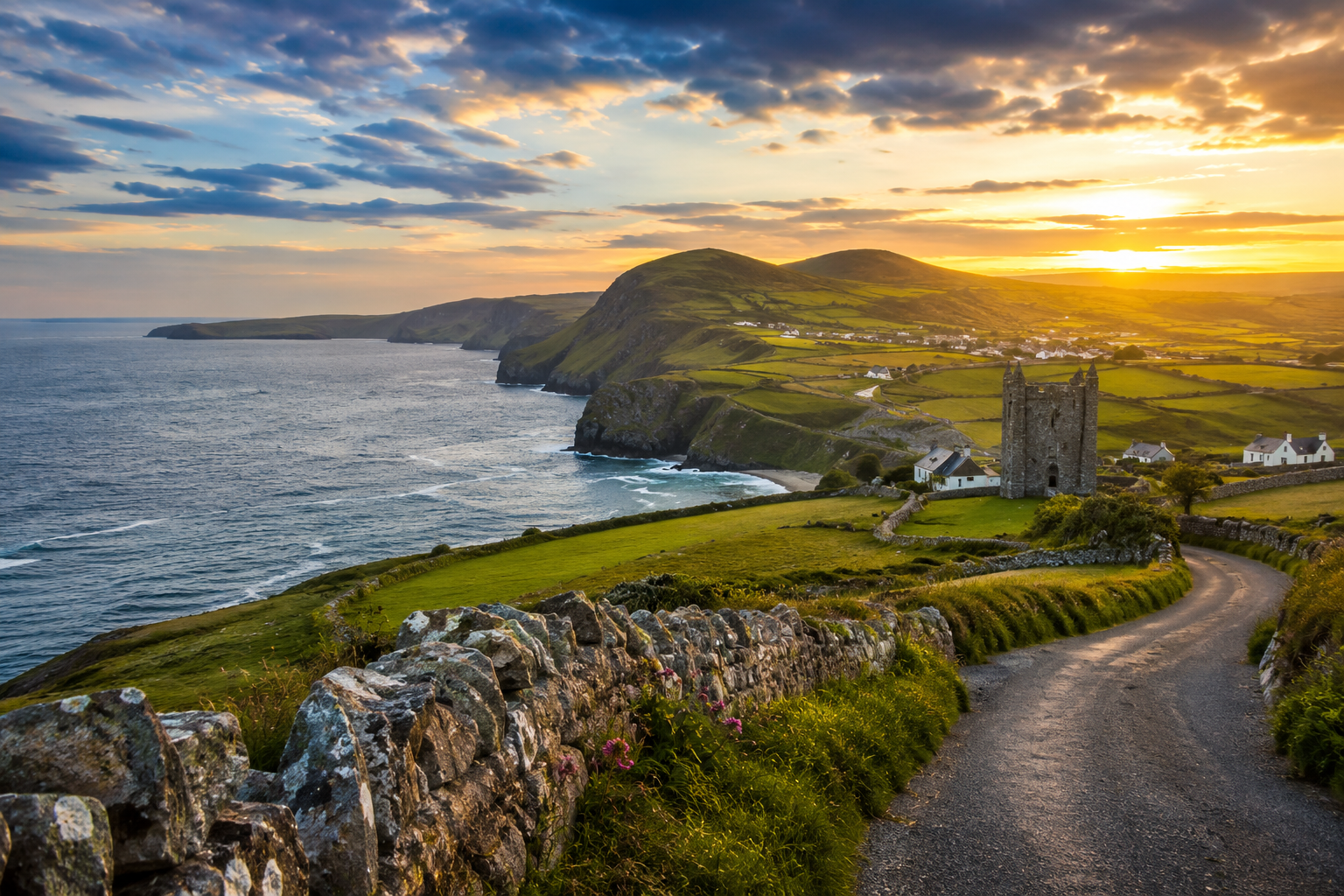
For Border and Ulster families later connected to The Carruthers Men, The Royal Branch, and the wider Scots-Irish migrations, the Isle of Man existed within the same maritime world linking southwestern Scotland to northern Ireland and eventually to America itself. “Ships sailing between Dumfriesshire ports, Ulster settlements, and English harbors frequently moved through waters surrounding the island. Mariners navigating the Irish Sea relied upon familiar coastal routes shaped by wind, tide, and dangerous weather. Storms could rise quickly across the open water. Fog obscured coastlines. Wrecks were common.”