
The Dinwoodie–Jardine feud
Blood, Land and Vengeance in Annandale
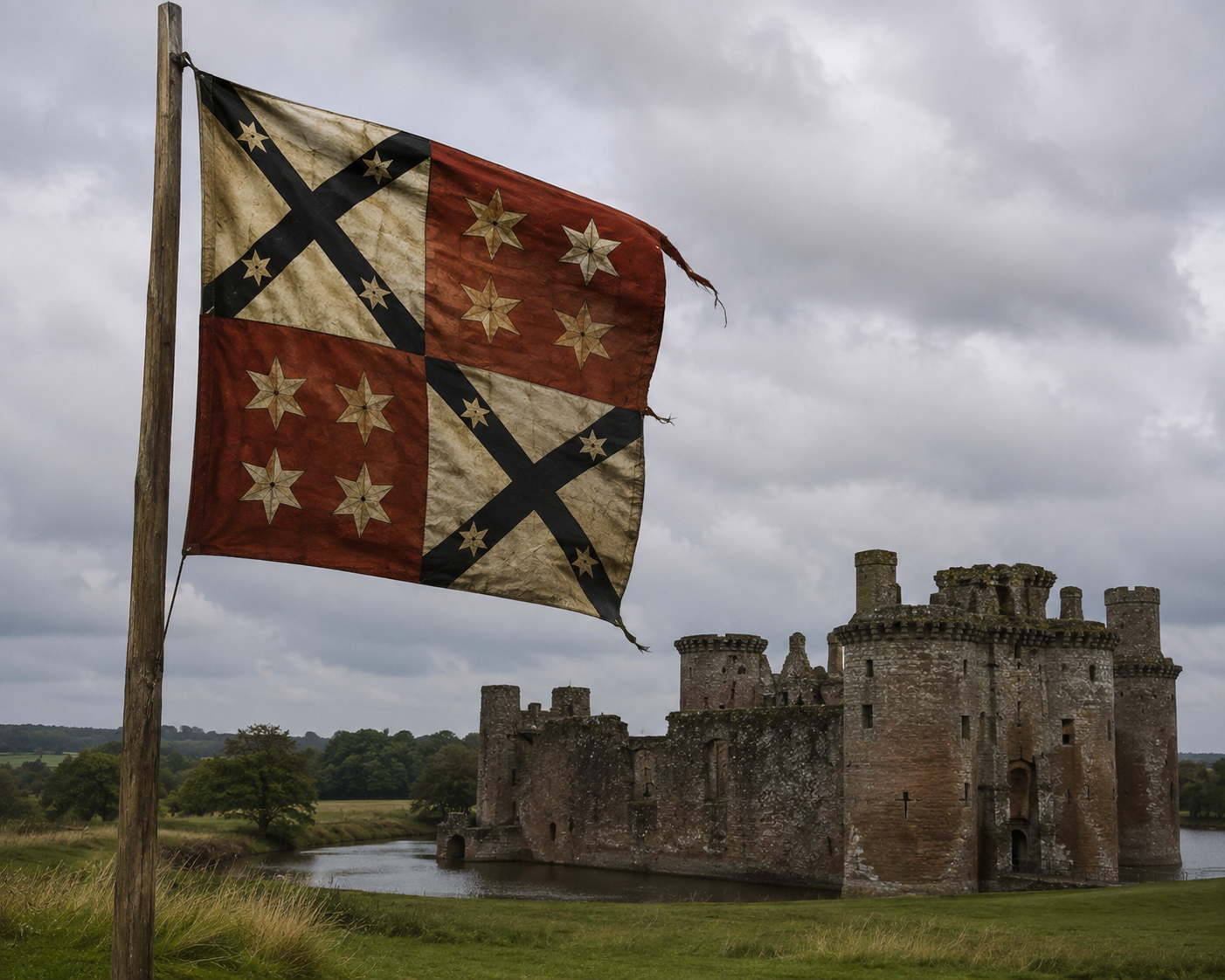
The feud between the Dinwoodies of Dinwoodie and the Jardines of Applegarth belongs to the violent world of late-medieval Annandale, when a quarrel between neighboring landed houses could become inseparable from the much larger political struggles surrounding them. By the opening years of the sixteenth century, both families were established in the same relatively small corner of Dumfriesshire.
The Dinwoodies possessed the lands that carried their name in Applegarth parish, while the Jardines were among the principal landholders of the parish itself. Contemporary judicial evidence confirms that hostility between them became deadly: one Laird of Dinwoodie was killed at his own place, and another Dinwoodie laird was reportedly slain only a few years later in Edinburgh.
Seven Ill Years
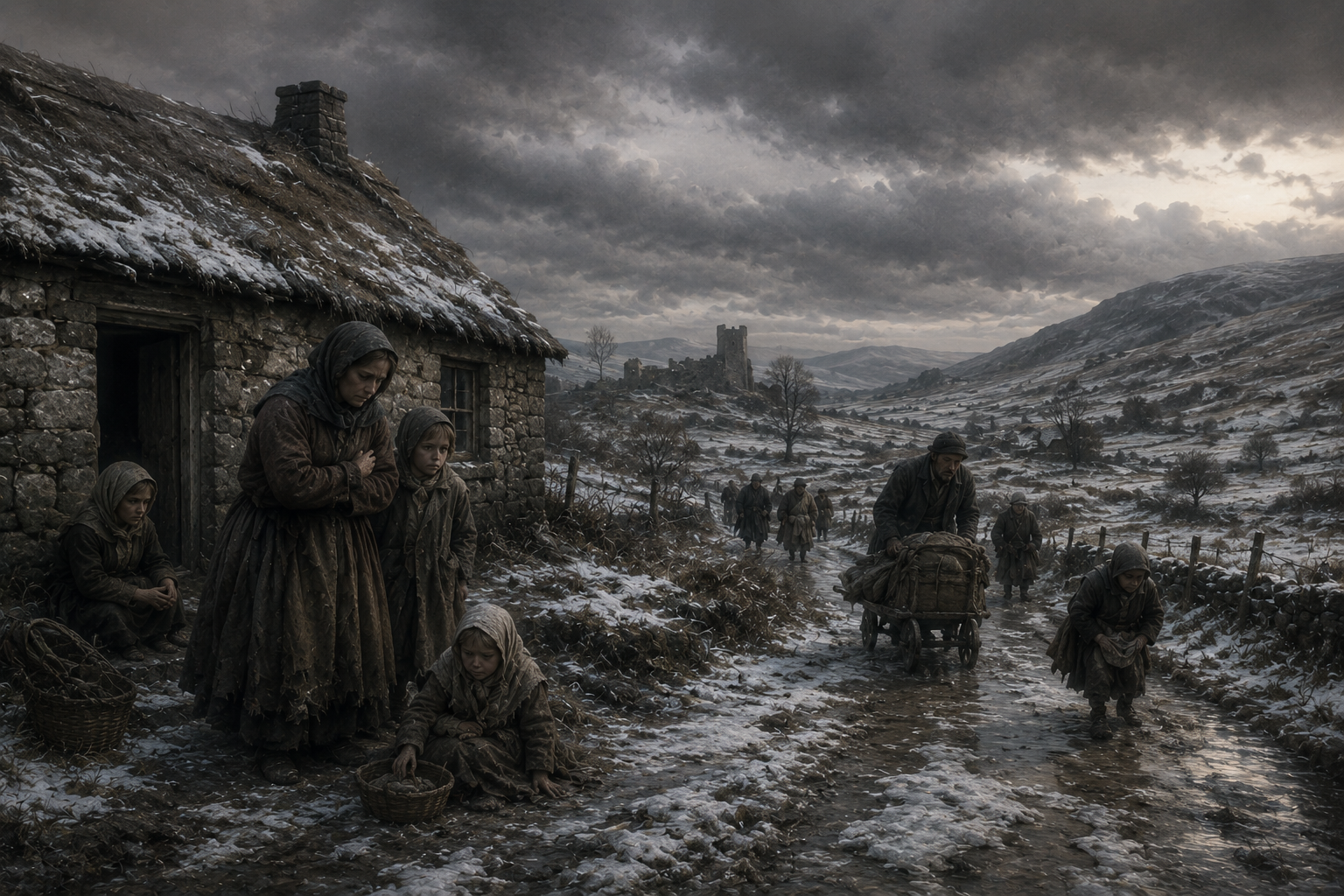
“For families living in the southwest Border country — particularly in Dumfriesshire and the old Marches — the suffering carried a different texture than it did in the crowded burghs of Edinburgh or Aberdeen. Here, survival depended almost entirely on the land itself. Crops failed. Livestock weakened. Trade slowed. Entire communities found themselves trapped between old feudal obligations, political uncertainty, and the harsh realities of subsistence living. For Border families such as the Carruthers of Holmains and their surrounding kin networks, the crisis arrived during a time when the region was already carrying centuries of instability behind it.”
What Is Celtic and Gaelic?
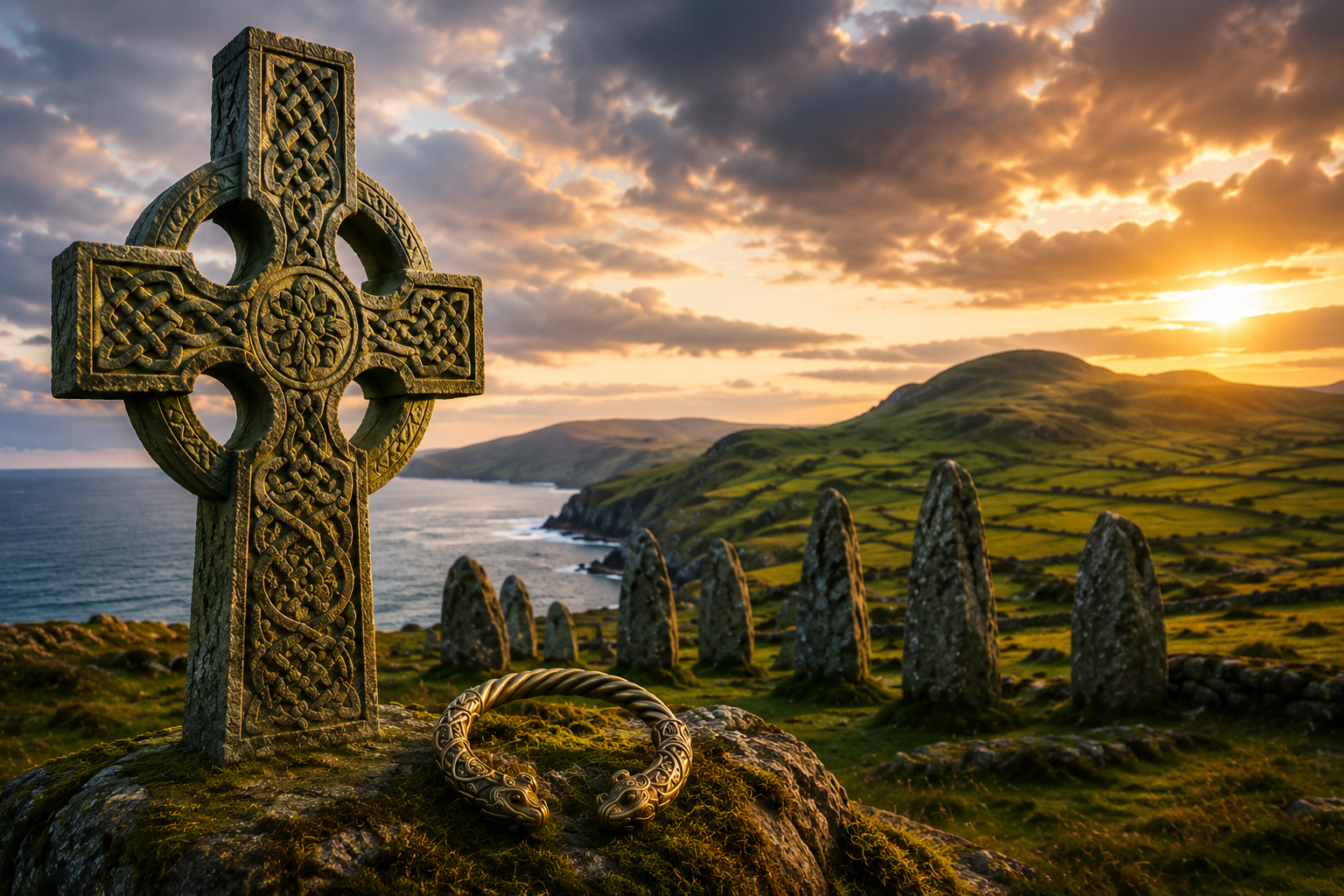
“Norse settlers mixed with older Gaelic populations to create a distinct Norse-Gaelic culture still visible today in place names, language, folklore, and maritime tradition. Similar blending occurred throughout coastal Scotland and Ireland where Viking influence merged into existing Celtic societies. By the seventeenth and eighteenth centuries, many families connected to the Scots-Irish migrations carried these layered inheritances into Ulster and eventually America. Some ancestors spoke dialects influenced by Gaelic rhythms even if they no longer spoke the language fluently itself. Others carried inherited customs rooted in older Celtic seasonal traditions, music, storytelling, kinship systems, and frontier survival patterns that stretched back far beyond modern national identity.”
Johnstone of Coreheid
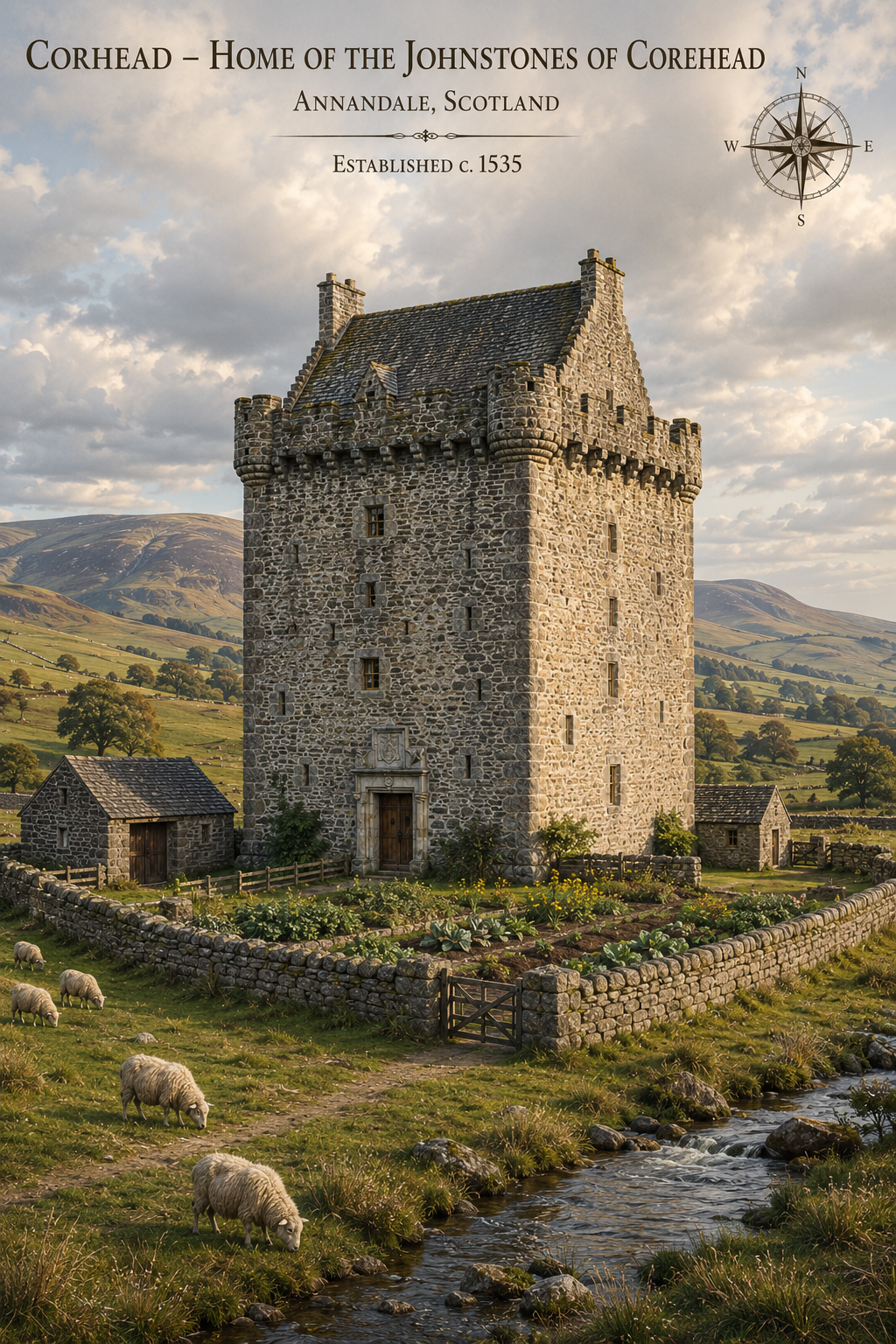
This was Corehead, home of James Johnstone of Corehead and his wife Janet Douglas—a couple whose resilience, political judgment, and noble alliances helped shape generations of descendants.
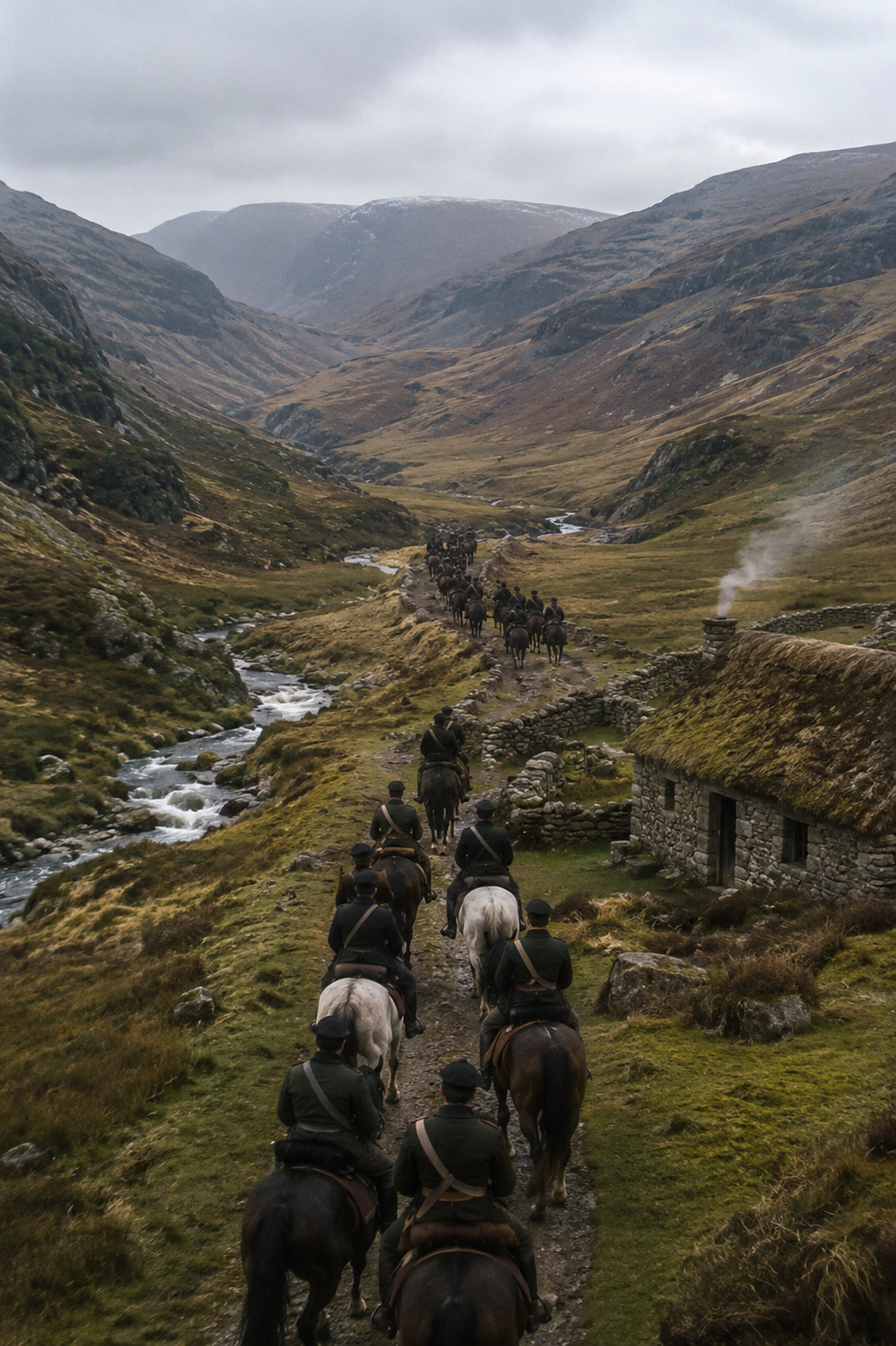
Far removed from the bustling royal court of Edinburgh, Corehead occupied one of Scotland's great natural gateways. Every traveler moving between the Borders and the capital passed through these rugged valleys. Whoever controlled this high country controlled more than sheep pastures; they watched over the northern entrance into Annandale itself.
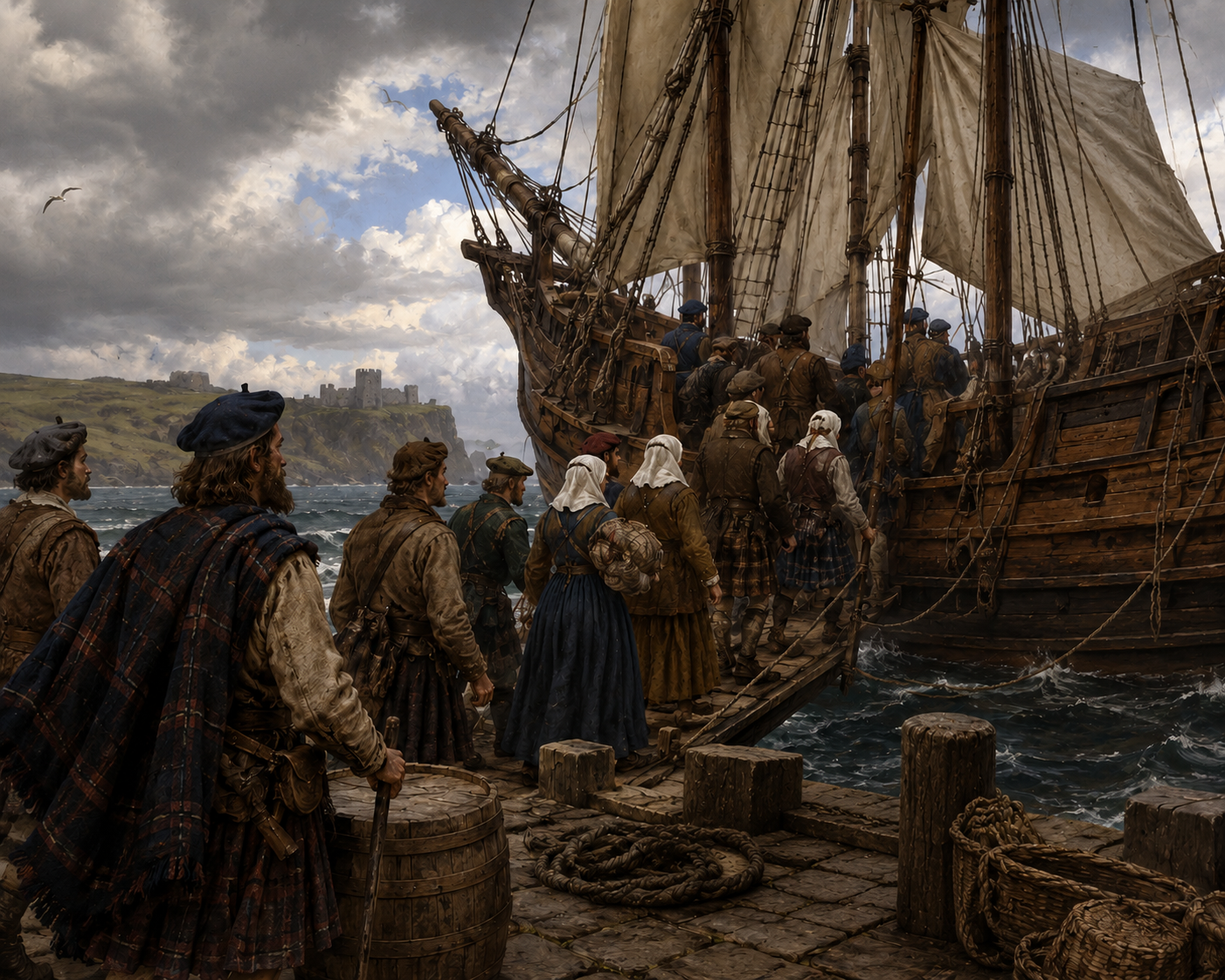
Crossing Over to Ulster
“It began with Scotland looking westward toward Ulster. The movement had deep roots stretching back into the medieval period. Scottish warriors, merchants, churchmen, and settlers had crossed into Ireland for centuries, particularly along the northeastern coast. The sea routes between Galloway, Ayrshire, the Hebrides, and Ulster formed part of an interconnected maritime world where movement was common and identities often overlapped.”
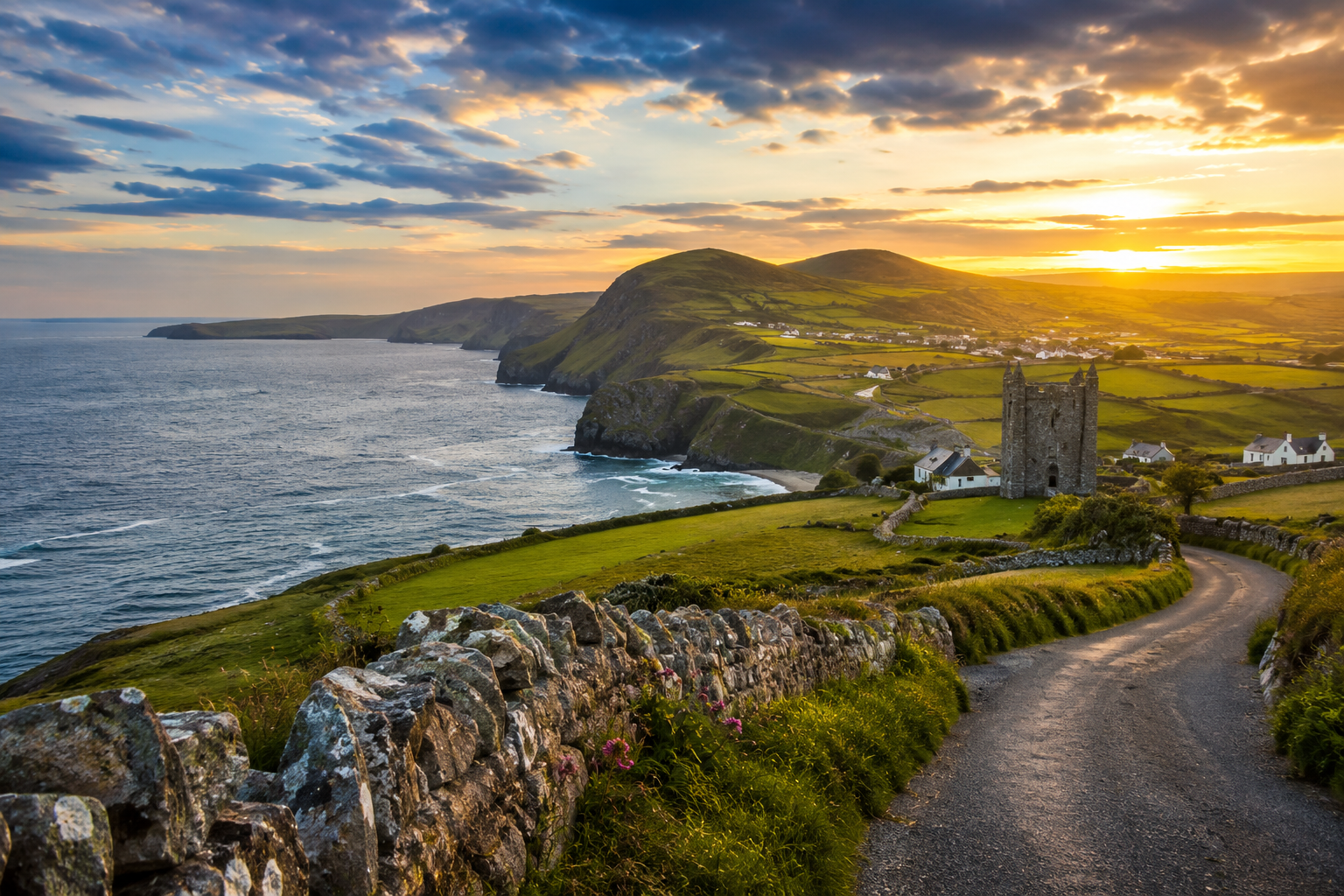
The Isle of Man
For Border and Ulster families later connected to The Carruthers Men, The Royal Branch, and the wider Scots-Irish migrations, the Isle of Man existed within the same maritime world linking southwestern Scotland to northern Ireland and eventually to America itself. “Ships sailing between Dumfriesshire ports, Ulster settlements, and English harbors frequently moved through waters surrounding the island. Mariners navigating the Irish Sea relied upon familiar coastal routes shaped by wind, tide, and dangerous weather. Storms could rise quickly across the open water. Fog obscured coastlines. Wrecks were common.”
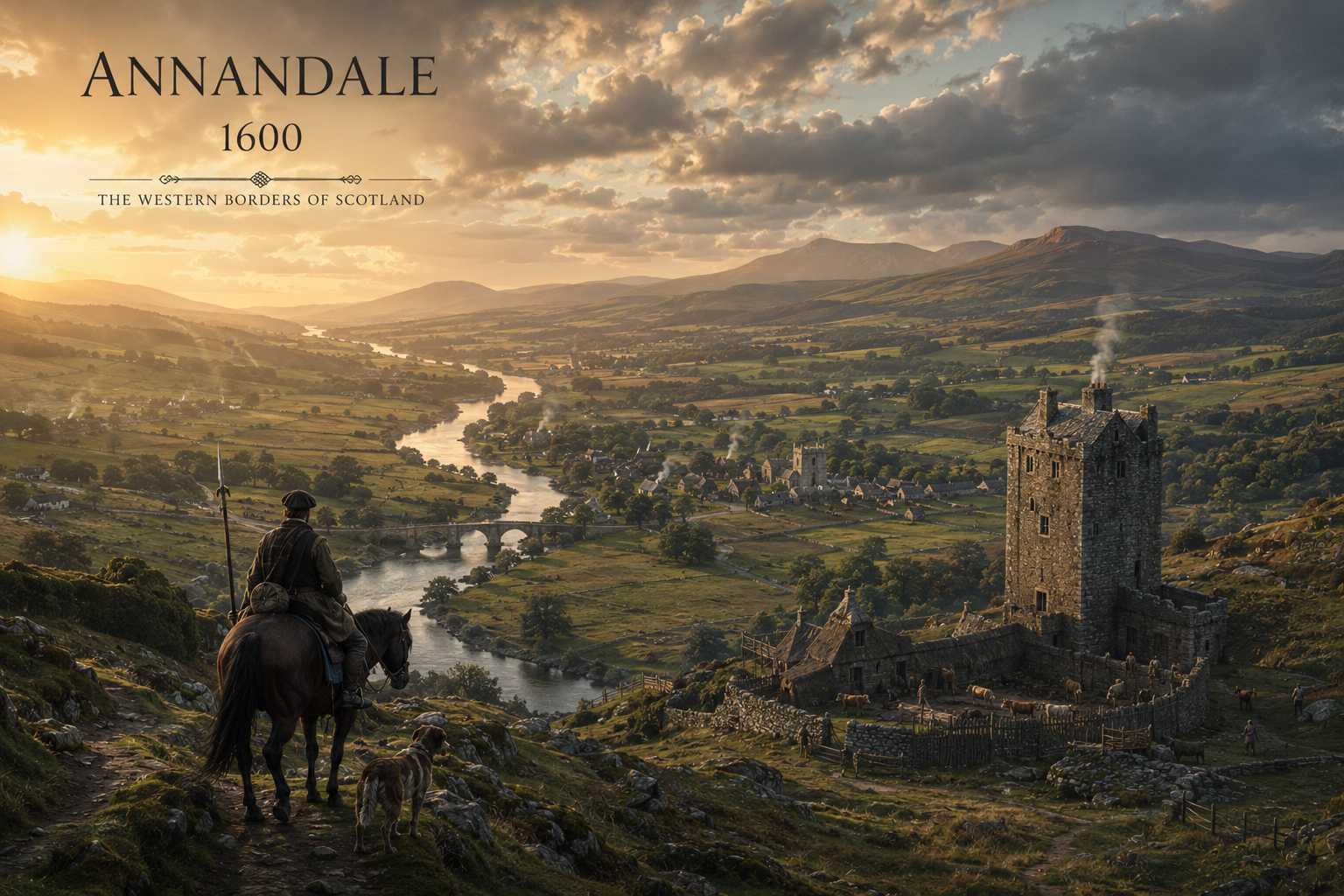
Annandale Scotland
“These dynasties shaped much of the western Border world during the late medieval and early modern periods. Their towers, estates, and influence stretched across the surrounding countryside, tying together neighboring lands through both cooperation and violent rivalry. The Maxwells rose into one of the dominant noble houses of southwestern Scotland.”
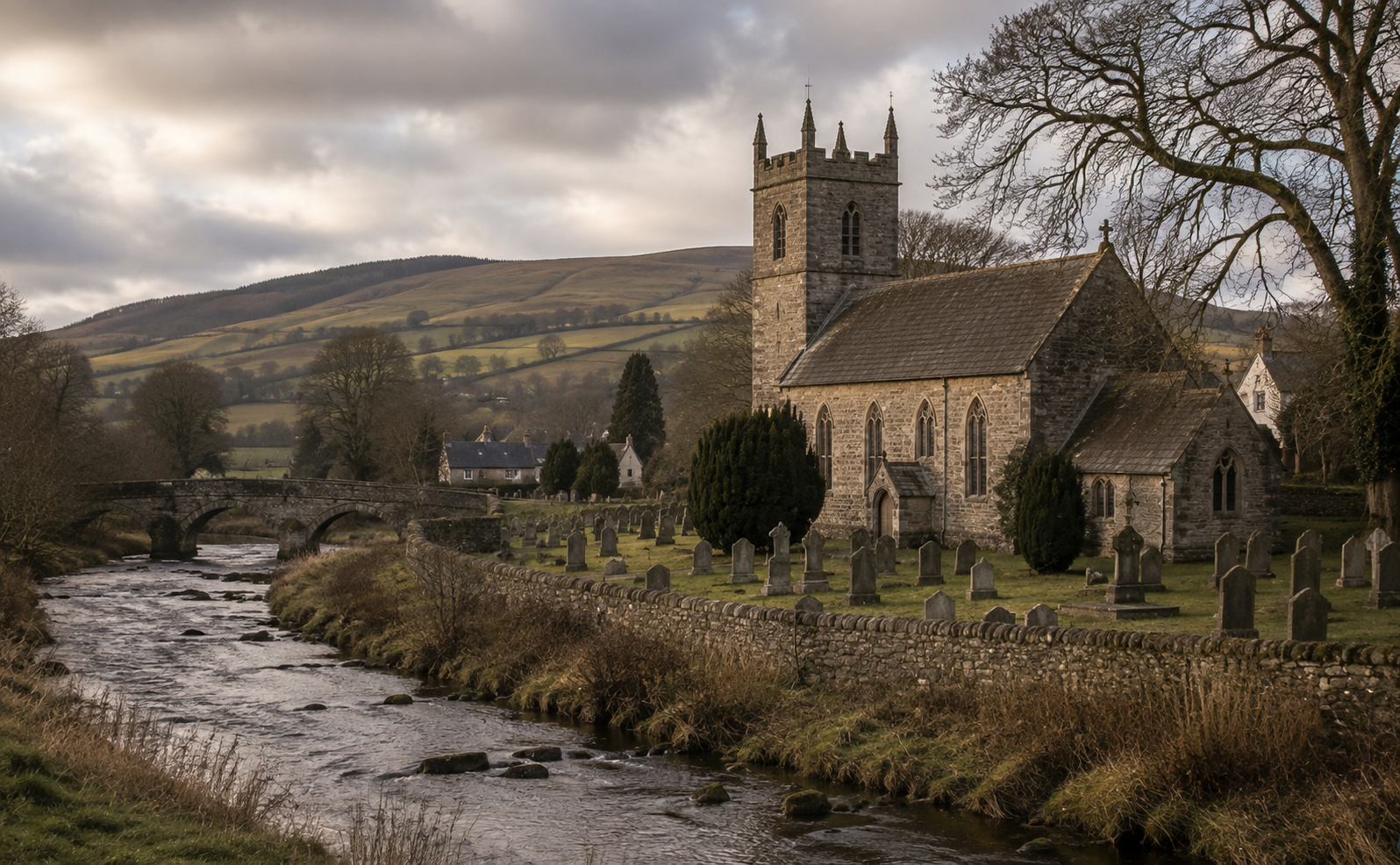
A Border Laird's Life
This was no isolated frontier settlement. The great road linking England and Edinburgh passed nearby, bringing merchants, ministers, government officials, soldiers, drovers, and travelers through the district.
Lockerbie served as an important market town where livestock, grain, wool, and other goods changed hands, ensuring that even relatively small landowners remained connected to Scotland's wider economy.
Janet Johnstone (1655-1720)
They belonged to a cadet branch of the powerful Johnstones of Annandale, a family whose influence stretched across Dumfriesshire for centuries. Corheid itself lay only a short distance from Breconside and formed part of a network of Johnstone properties that included Lochhouse and neighboring estates.
By the middle of the seventeenth century, James Johnstone the younger of Corheid had married Janet Douglas, linking the Border Johnstones with one of Scotland's most distinguished noble families. Their children inherited far more than land.
They inherited a world shaped by clan loyalty, legal tradition, and generations of service to the Scottish Crown.