
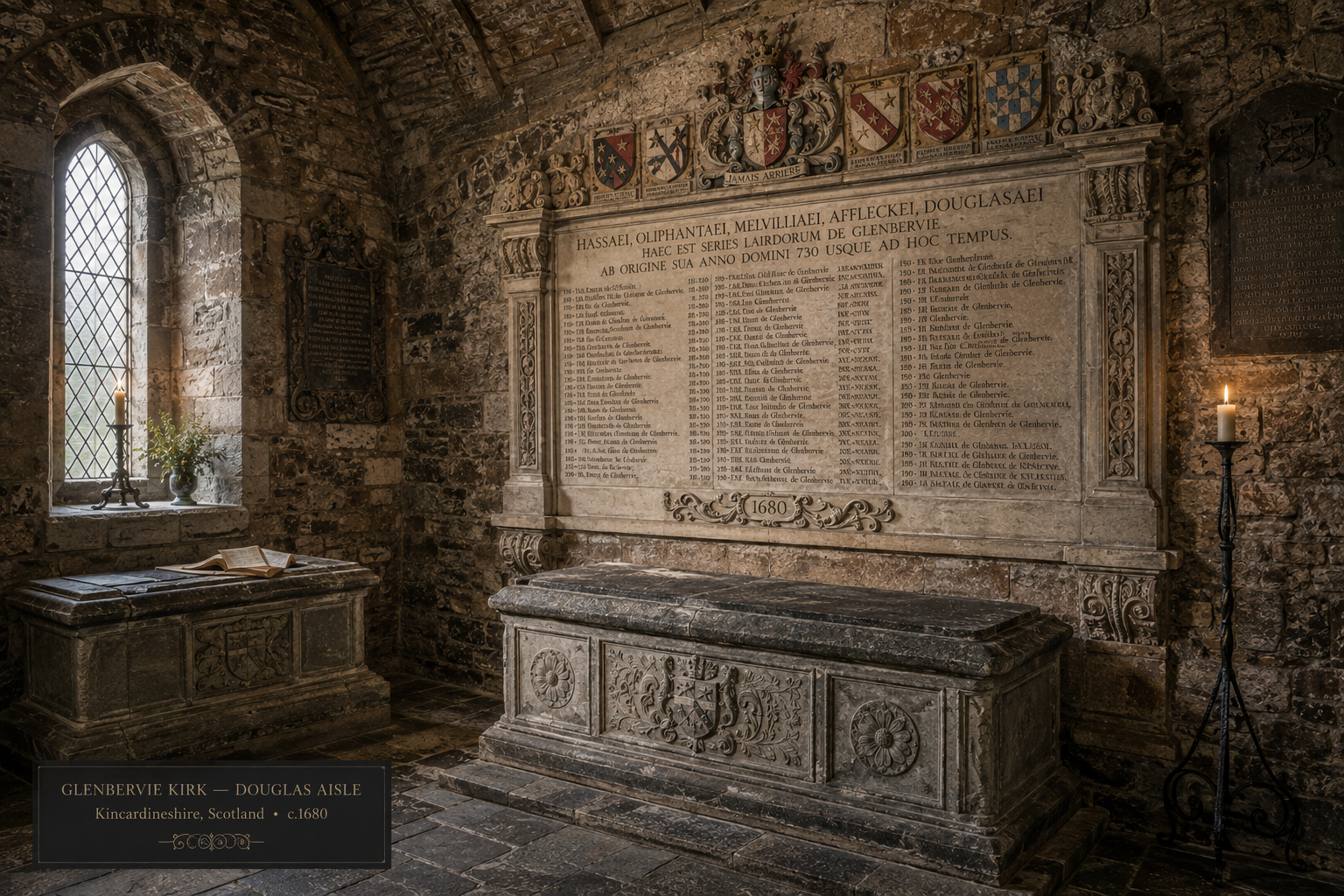
Egidia Graham & the 9th Earl of Angus
She buried her husband at Glenbervie Kirk beneath a magnificent, towering stone sarcophagus, upon which she ordered the entire genealogy of the Lairds of Glenbervie carved in stone, tracing their proud bloodline back to its mythical foundation in the year 730 AD.
In a particularly bizarre twist that fascinated the King, another accused witch named Geillis Duncan (no relation) was forced to play a strange, traditional dance tune before the royal court to demonstrate her allegiance to the devil.
As the smoke cleared from the execution pyres, the male line of the senior Earls of Angus lay totally extinct, and by ancient feudal right, the entire earldom—along with its massive estates and sovereign privileges—reverted directly to William Douglas of Glenbervie.
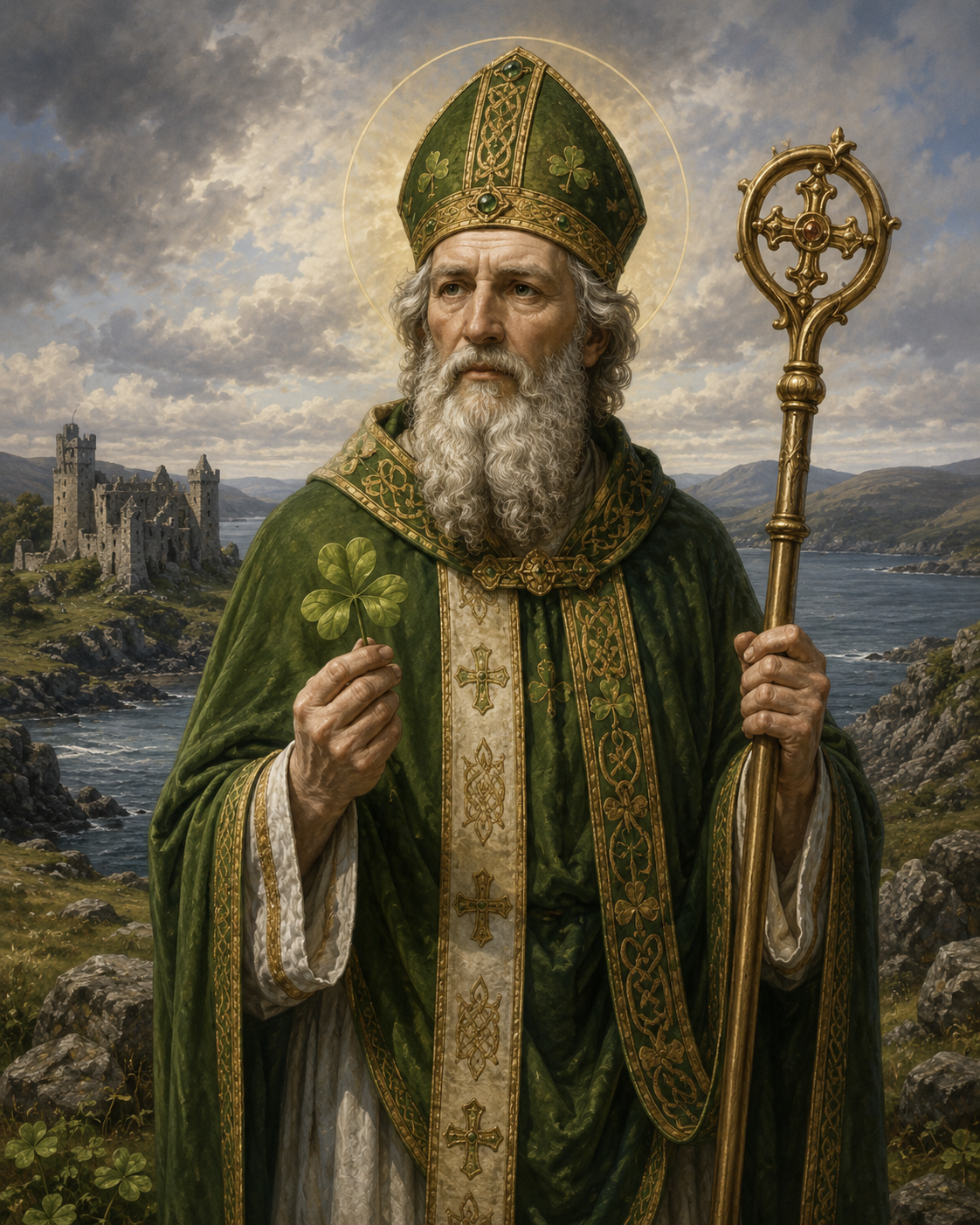
St. Patrick’s Day
“The historical Patrick was likely born during the late fourth century in Roman Britain, not Ireland itself. According to his later writings, he was kidnapped as a teenager by Irish raiders and brought across the sea into slavery somewhere in Ireland. There he spent years tending livestock before eventually escaping and returning home. But the story did not end there. Patrick later returned to Ireland as a Christian missionary, traveling throughout the island preaching, baptizing converts, and establishing early Christian communities during the fifth century.”
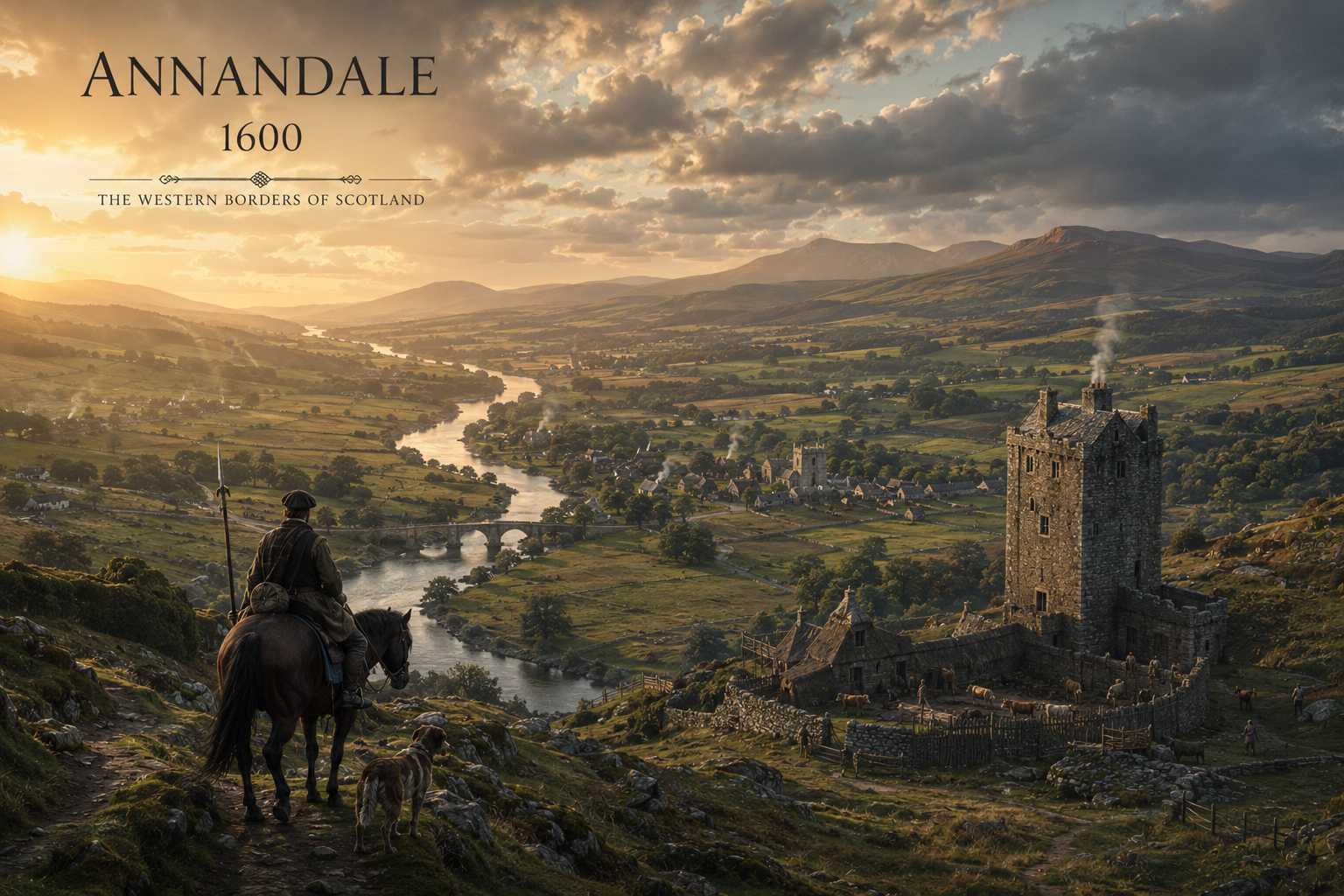
Annandale Scotland
“These dynasties shaped much of the western Border world during the late medieval and early modern periods. Their towers, estates, and influence stretched across the surrounding countryside, tying together neighboring lands through both cooperation and violent rivalry. The Maxwells rose into one of the dominant noble houses of southwestern Scotland.”
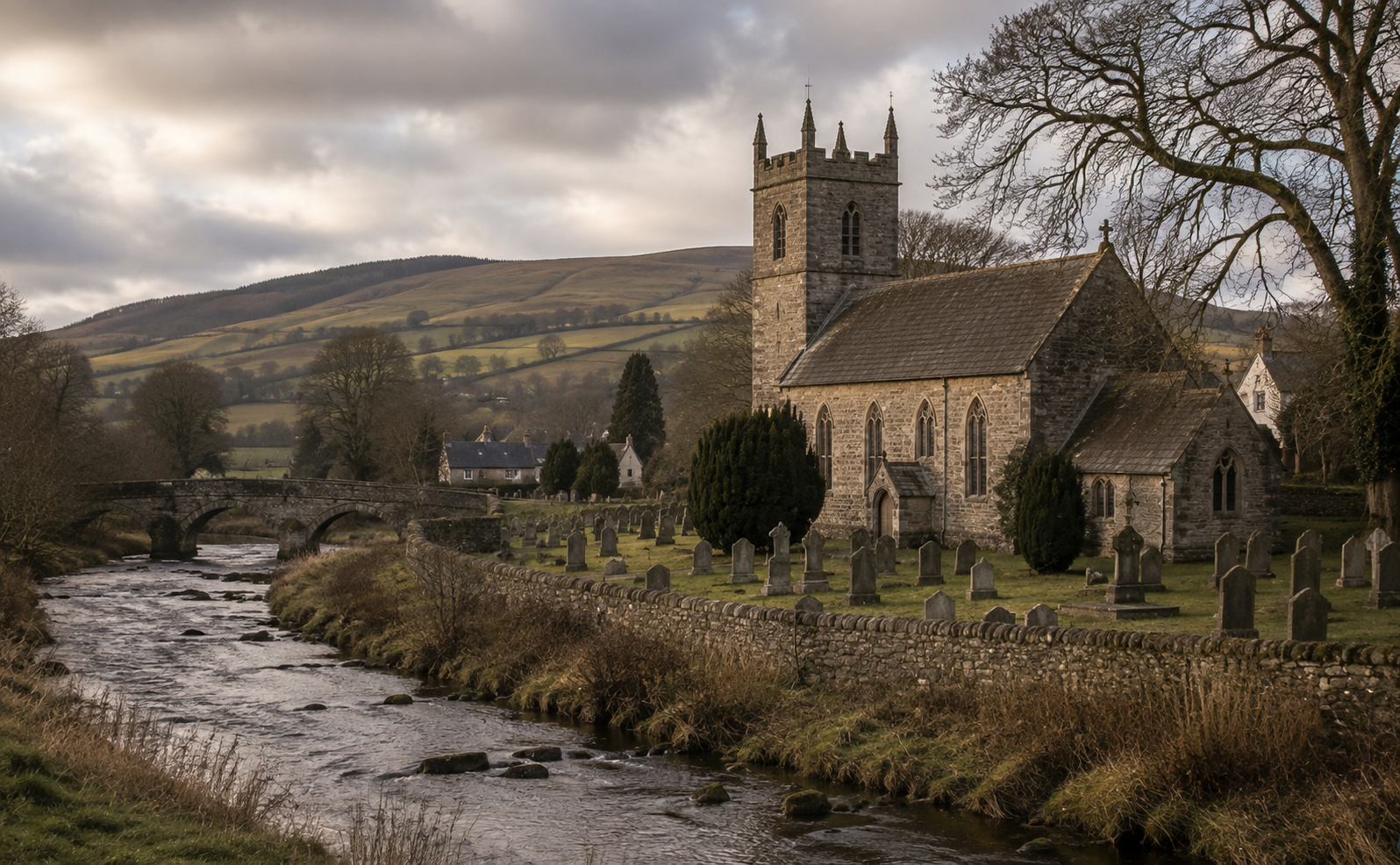
A Border Laird's Life
This was no isolated frontier settlement. The great road linking England and Edinburgh passed nearby, bringing merchants, ministers, government officials, soldiers, drovers, and travelers through the district.
Lockerbie served as an important market town where livestock, grain, wool, and other goods changed hands, ensuring that even relatively small landowners remained connected to Scotland's wider economy.
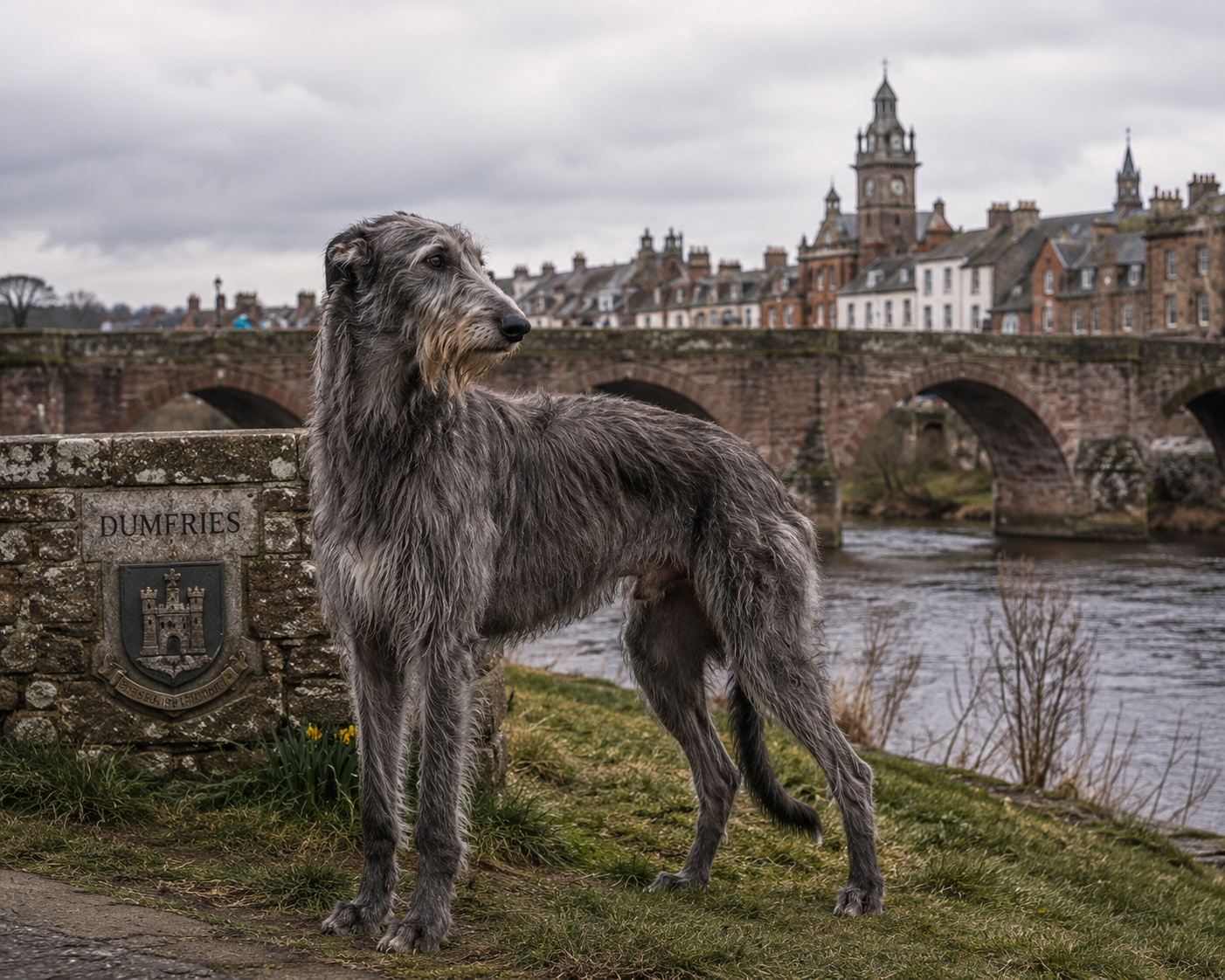
Scottish Deerhound
“The breed's roots stretch deep into Scottish history. References to large rough-coated hunting hounds appear in medieval accounts and may reach back even further into the era of the Picts. By the sixteenth and seventeenth centuries, Deerhounds had become firmly established throughout the Highlands, where vast estates and open hunting grounds provided the perfect environment for maintaining large packs.”
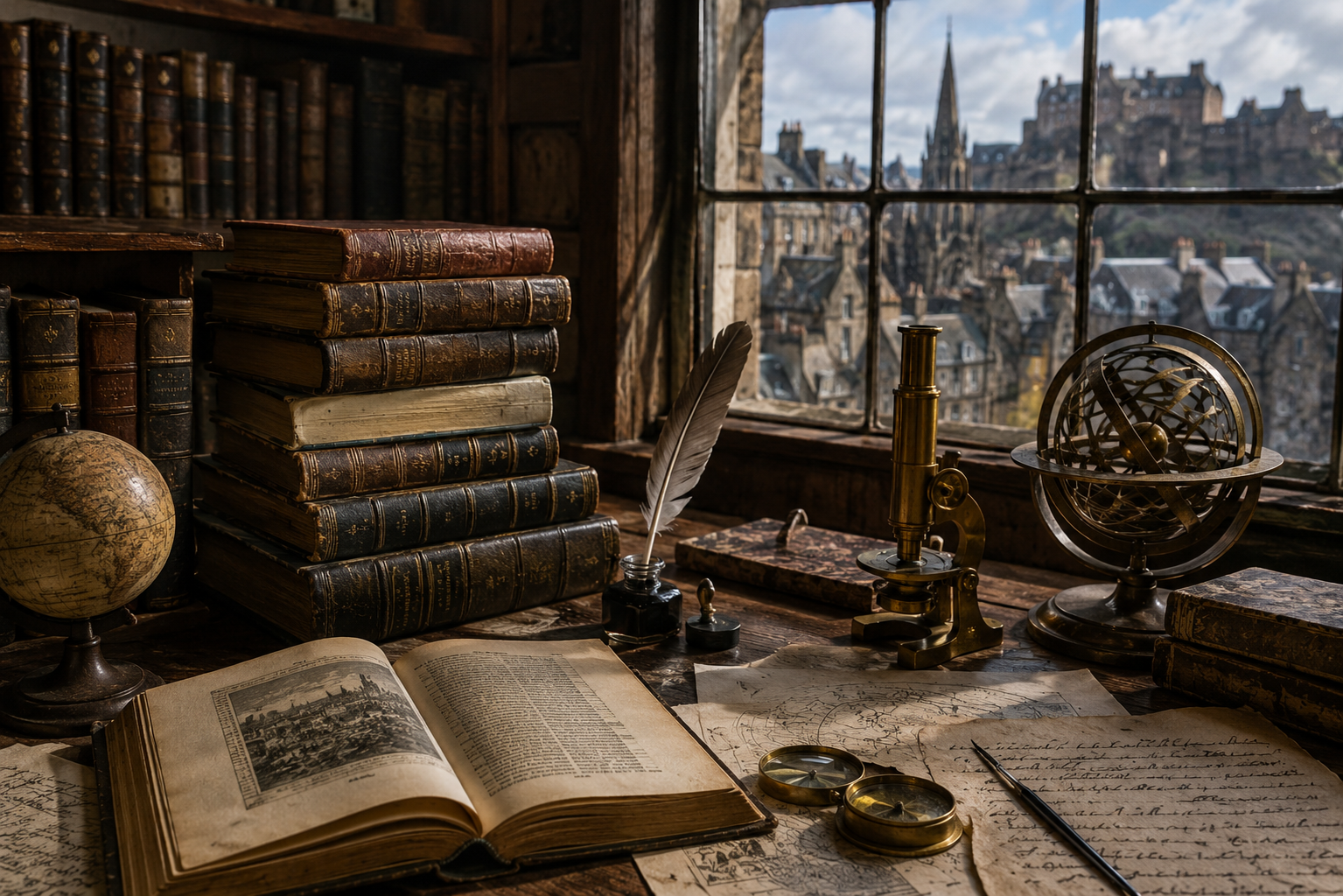
The Scottish Enlightenment
The Scottish Enlightenment left a legacy far beyond Scotland's borders.
Its influence can be found in modern economics, constitutional government, education, medicine, engineering, philosophy, historical scholarship, and scientific inquiry. Universities around the world continue to teach ideas first developed in eighteenth-century Scotland.
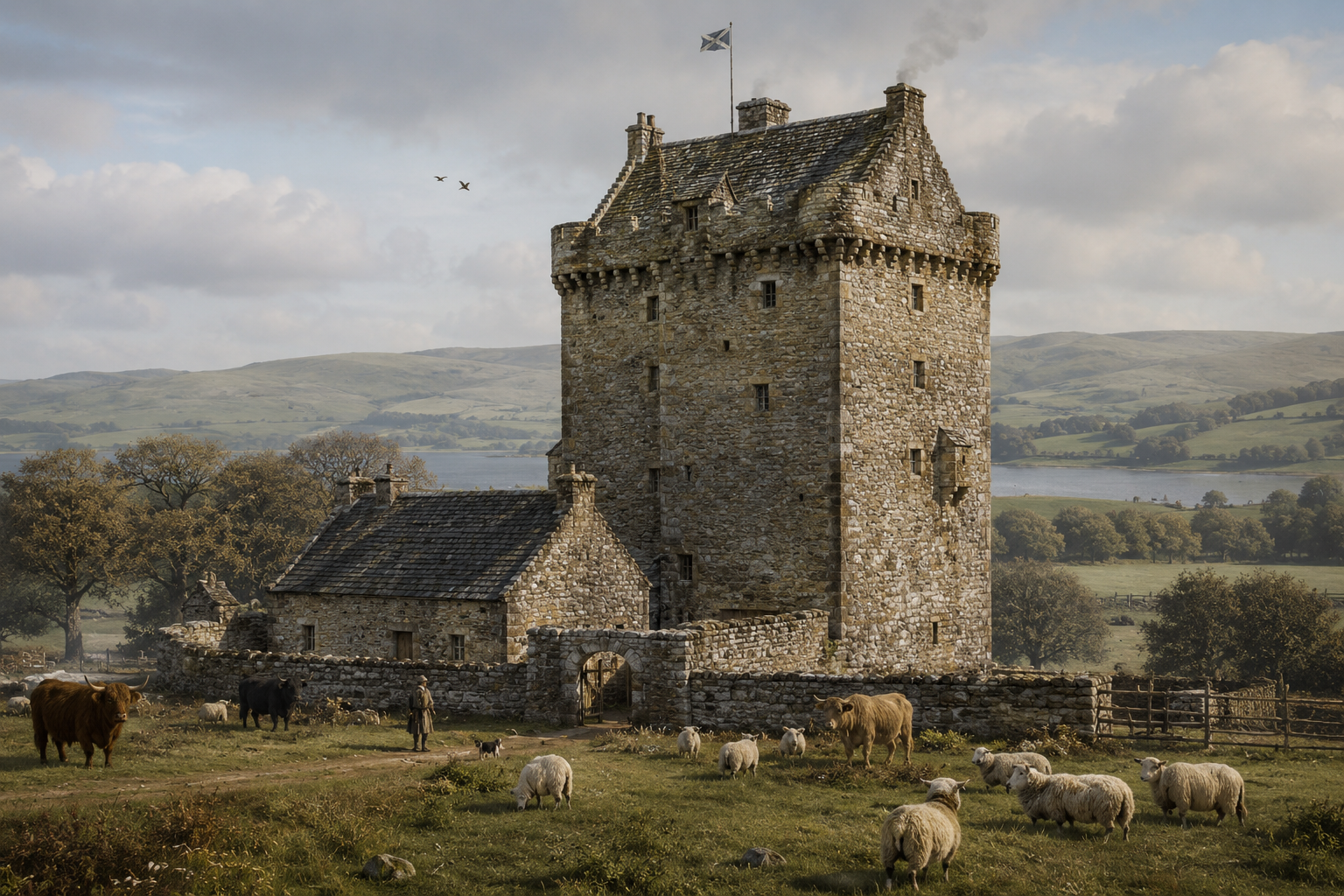
Border Reivers
“Their towers, farms, and fortified houses stood scattered across valleys, mosslands, forests, and river crossings where violence could erupt with little warning. This was not lawless chaos in the modern sense. The Borders operated under their own culture of survival.
Families formed alliances through bloodlines, fosterage, marriage, and military obligation. Livestock represented wealth. Horses represented mobility. Reputation represented protection. A family unable to defend itself risked losing cattle, crops, land, or even its surviving sons. Raiding became woven into frontier life. Under cover of darkness, mounted riders crossed hills and river valleys to reclaim stolen cattle, retaliate against rival families, or enforce old feuds.”
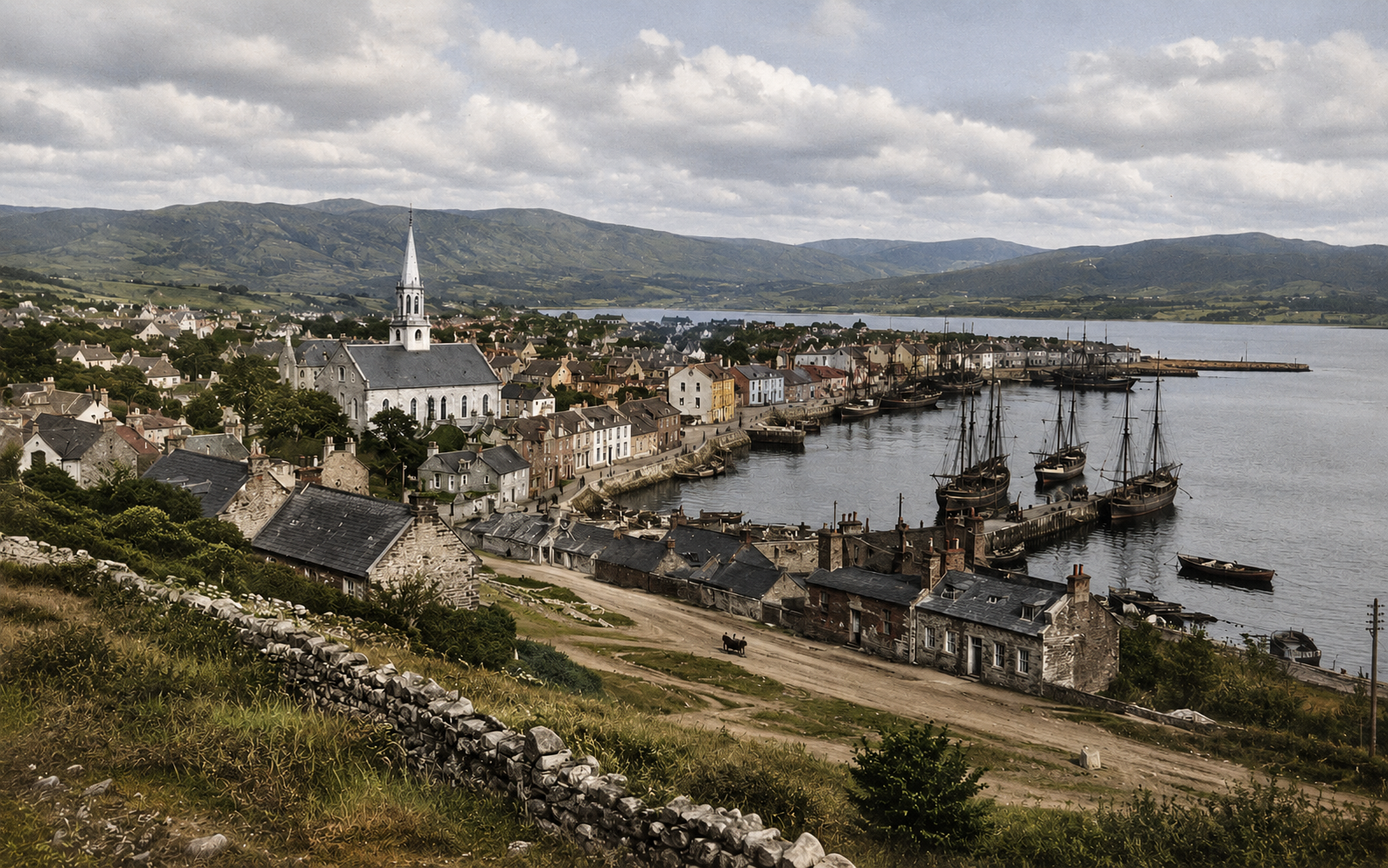
Donegal, Ireland
By 1720, County Donegal stood at the far western edge of the British Isles — a rugged country of mountains, fishing villages, windswept coastlines, stone cabins, linen fields, and harbors facing directly toward the Atlantic world.
For many families living there, America was no longer an abstraction. It had become a destination spoken about in kitchens, market squares, and churchyards.
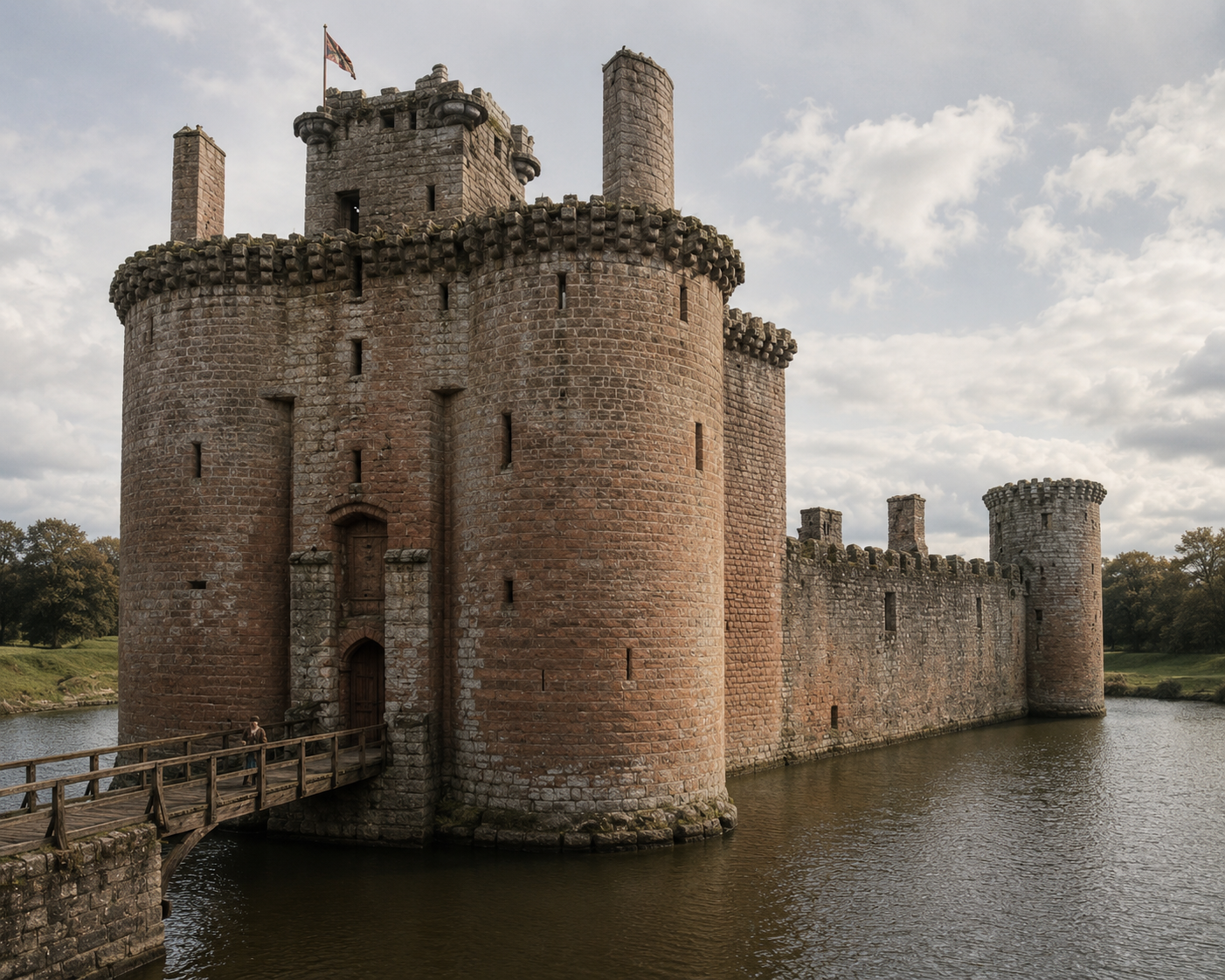
Caerlaverock castle
“The lands of Holmains, Mouswald, and surrounding tower houses existed within the same Border world as Caerlaverock itself. Families such as the Carruthers’, Johnstones, Irvings, Bells, and Maxwells all occupied this shifting frontier society where kinship and conflict frequently existed side by side. Alliances formed through marriage one decade could collapse into bloodshed the next. The Borders were not governed only by crowns and parliaments. They were governed by families. In the sixteenth century, Caerlaverock stood near the center of some of the most volatile rivalries in southern Scotland.”
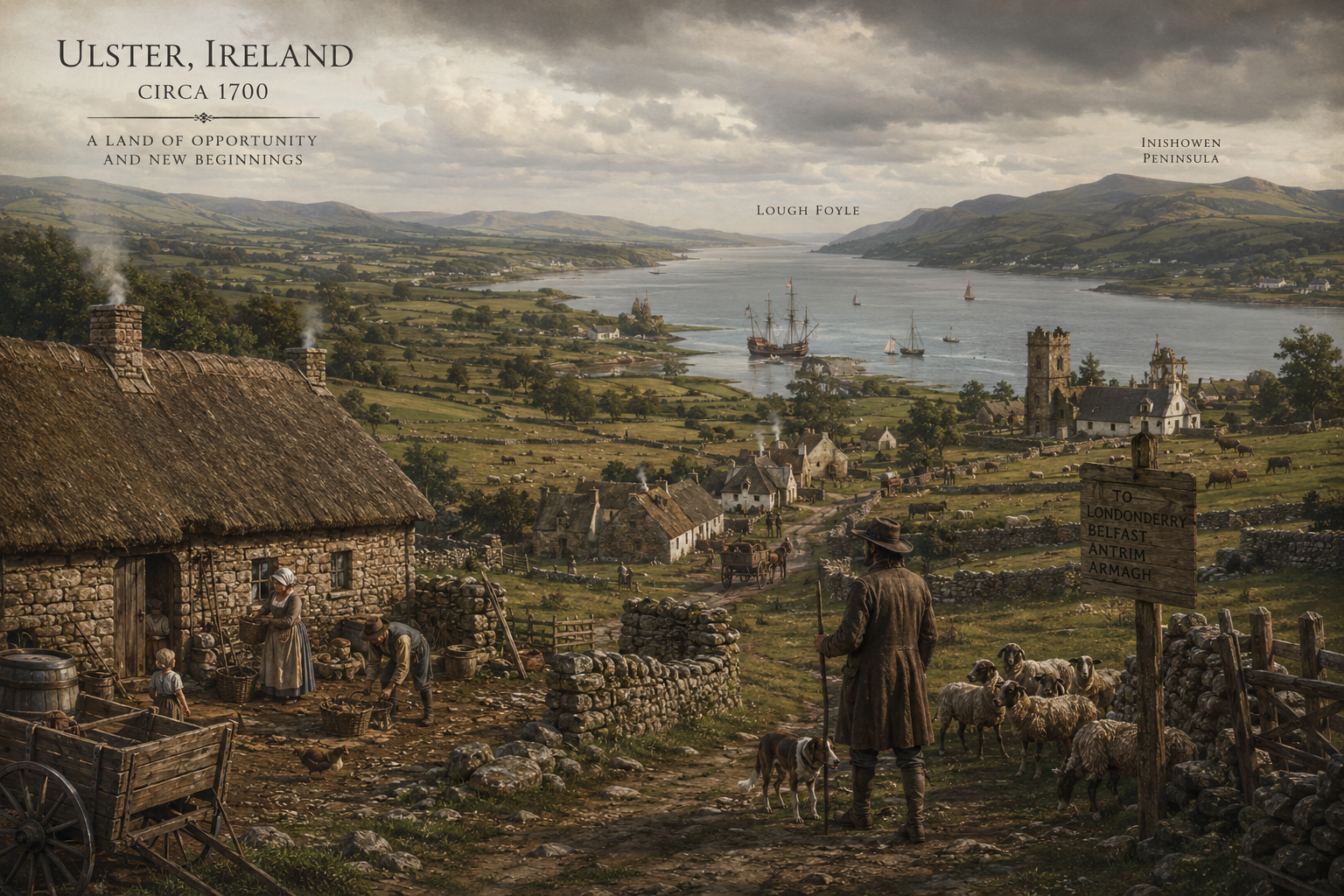
Why Border Families Left Scotland
“For many, the Atlantic crossing appeared to outsiders as the beginning of a journey. But in truth, it represented the continuation of one already generations old.
The movement from Scotland into Ulster formed the middle passage between the western marches and the Appalachian frontier — linking the tower houses of Dumfriesshire to the valleys of Pennsylvania, Tennessee, Virginia, and the American South.”
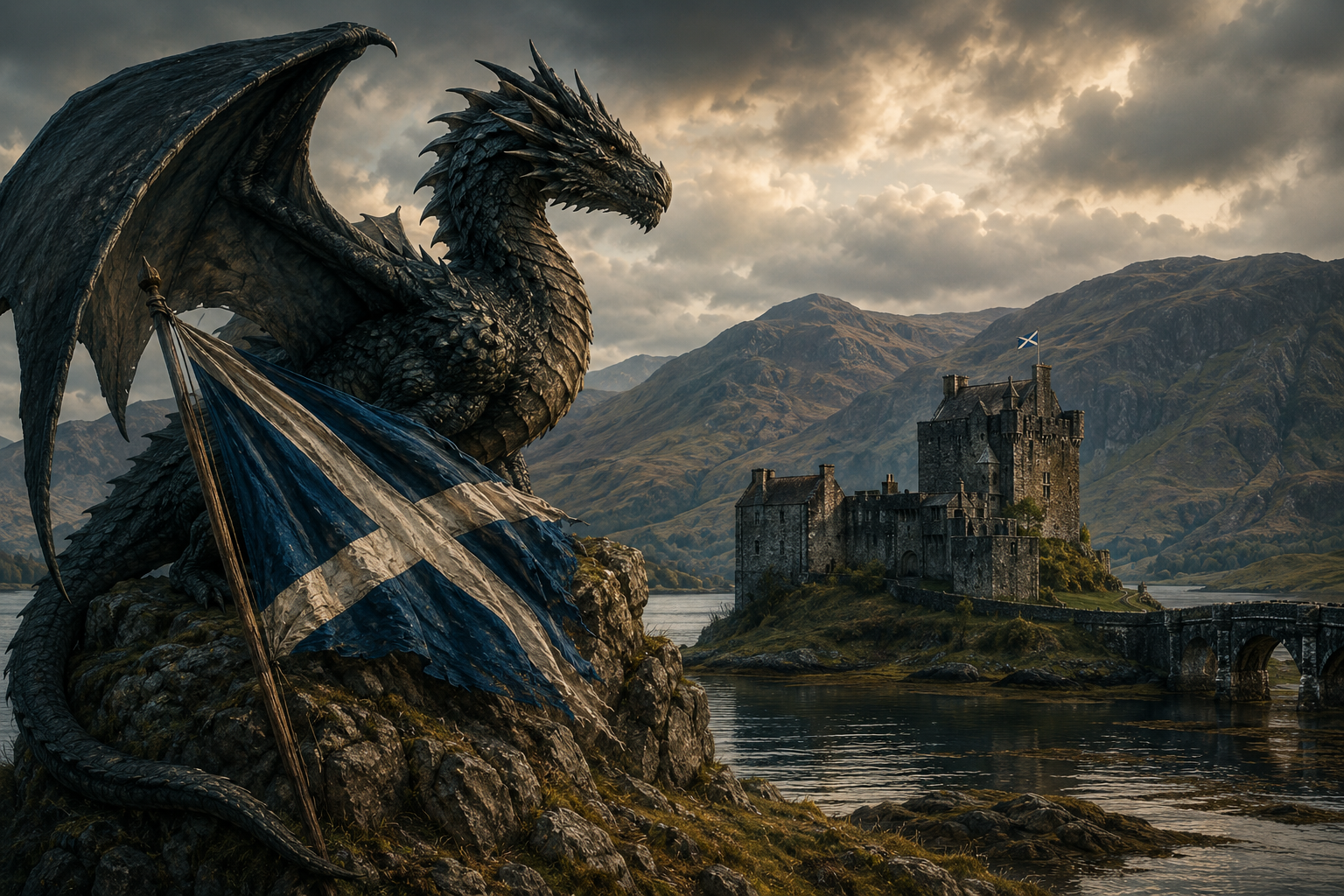
Dragons of Scotland
“In Scotland — especially throughout the Highlands, Border country, and the old Celtic landscapes — dragons appeared not simply in stories, but within place names, carved stonework, saint traditions, clan legends, and oral histories carried across generations. To medieval Scots, dragons were not viewed as “mythical” in the modern sense. They were often treated as ancient creatures tied to dangerous wilderness beyond settled land — beasts associated with fear, chaos, death, or sacred places hidden deep within the landscape.”