
2nd of Holmains
By 1426, John was holding his lands under Archibald Douglas, 5th Earl of Douglas.
In return, John owed feudal obligations attached to the land grant.
John’s land interests include Holmains and Little Dalton, Ecclefechan, Plewlands, Copwood, Bengahill, Moffat, Tundergarth, Glaisters, Newlands and Ruthwell. These weren’t all neighboring fields. They were scattered across the countryside, stretching north toward Moffat and south toward the Solway.
I find language in the old record sounds wonderfully romantic today.
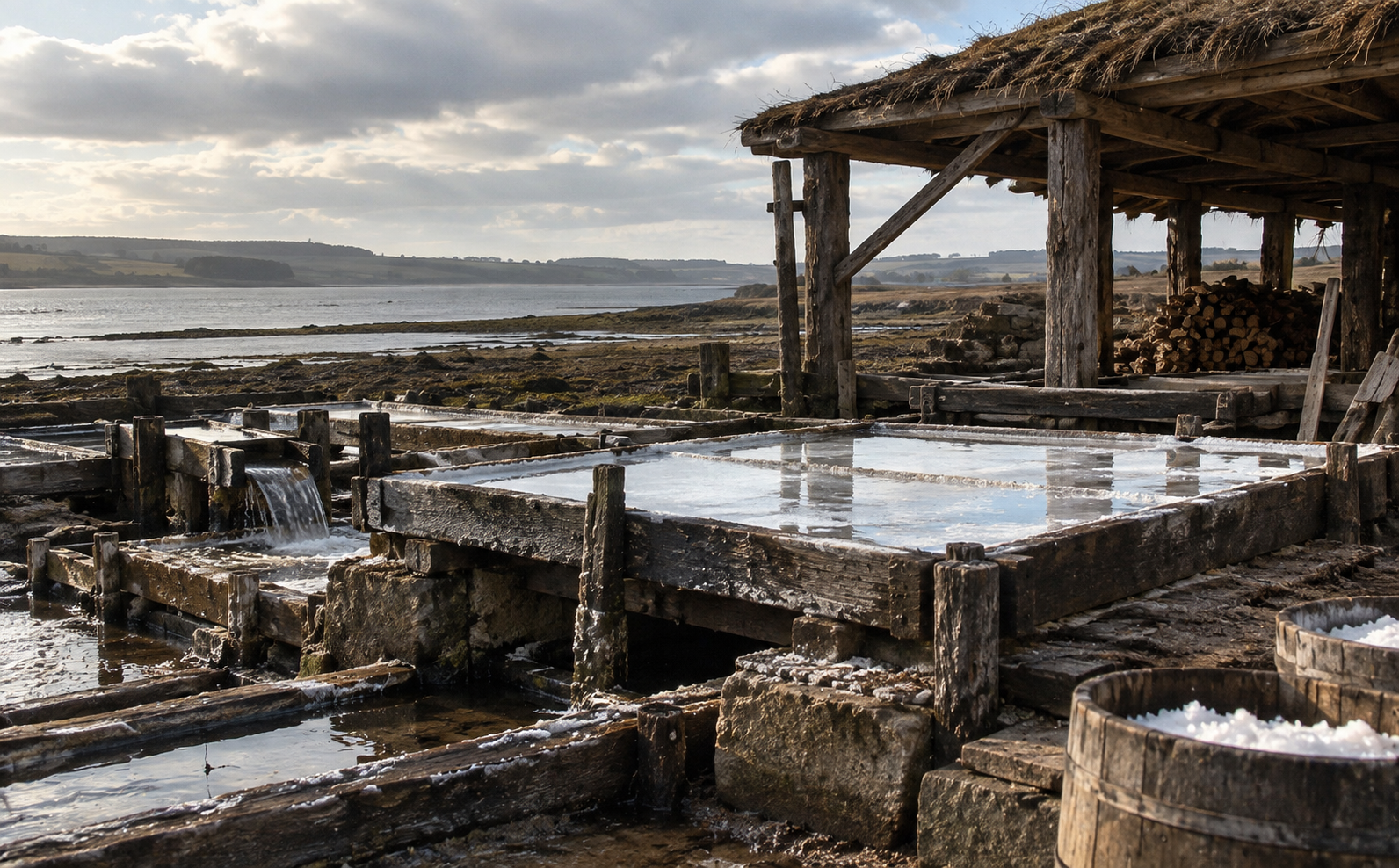
John held £10 lands at Ecclefechan, some merk lands elsewhere, something called ‘husbandlands’ at Ruthwell—and, tucked into the list, a saltcoat?
Land was commonly identified in value, while a husbandland was an agricultural holding associated with a tenant farmer.
So, the ‘little saltcoat at Ruthwell’ property is my favorite! What is it??
Galloway Folklore
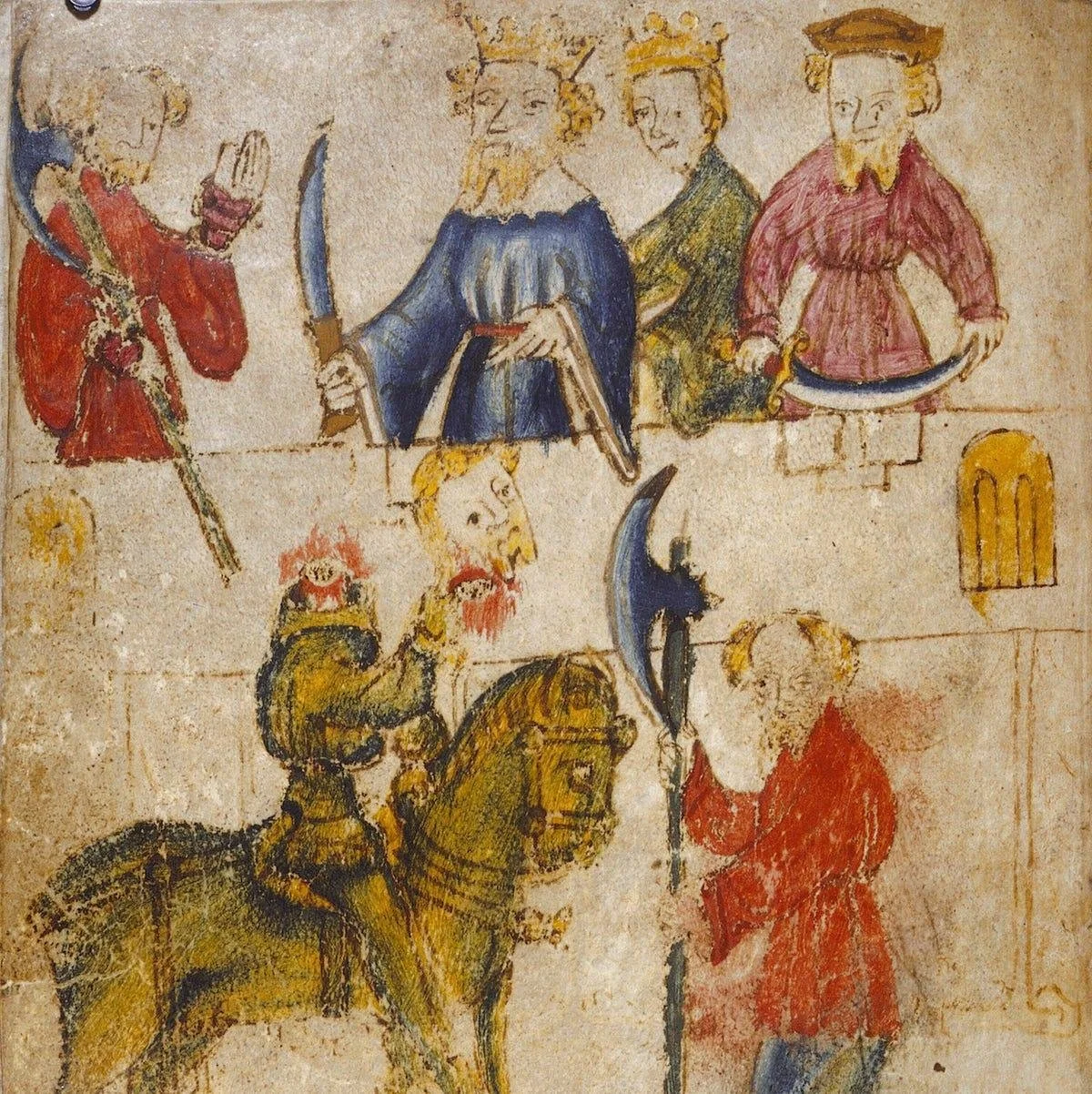
Historically, Galloway was a much older region of southwestern Scotland, with an identity that reached back centuries before today's county boundaries. Its heart lay west of Dumfries, stretching toward the Irish Sea.
My own ancestors were living in Dumfriesshire and Annandale, along the eastern edge of this Galloway world. People crossed these landscapes constantly. They married across parishes, crossed rivers, and carried stories. And this corner of Scotland gave those stories plenty to work with. To the south lay the Solway, with its dangerous tides and broad stretches of mud and sand. Inland were wooded glens and hills that could disappear into mist. Long before anyone called these stories “folklore,” generations of people were already living among them.
Lairds of Drumlanrig
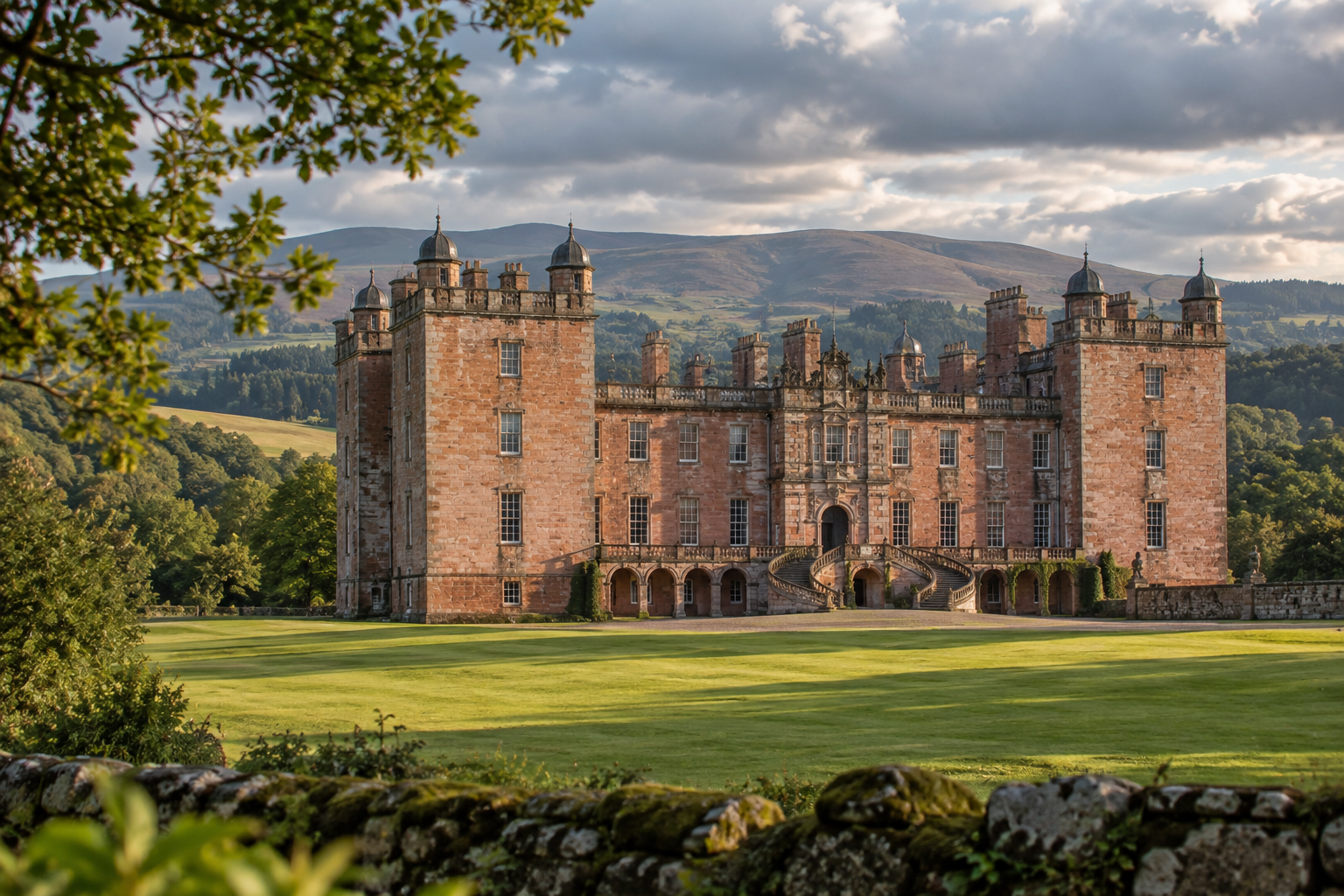
James had married Angus’s sister Margaret. Their children carried the blood of both Douglas houses, and the families were tied together by marriage as well as name. But being family did not mean standing together when politics turned ugly.
By 1526, Angus had gained control of the young king. James V was about fourteen years old, old enough to understand that although he wore the crown, other men were deciding where he went, whom he saw, and how Scotland was governed.
Not everyone was willing to leave him there.
That summer, Walter Scott of Buccleuch gathered men in an attempt to take the king out of Douglas hands. James of Drumlanrig joined him.
It was an extraordinary position for James to find himself in. He was a Douglas riding against other Douglases, including the family of his own wife.
Drunk History is Back🍸
That’s one of the show’s great tricks. You sit down expecting to laugh, and twenty minutes later you realize you’ve become completely invested in someone who died 150 years ago. Awesome.
I understand that feeling very well.
There is also something wonderfully human about how these stories are told.
Academic history has its place, and good documentation matters enormously, but people have been passing history to one another around tables, fires, and drinks for a very long time. We don’t always begin with dates and footnotes.
We begin with, “You have to hear what happened to this woman.”
Then comes the story.
That’s the heart of Drunk History. And Now It’s Back
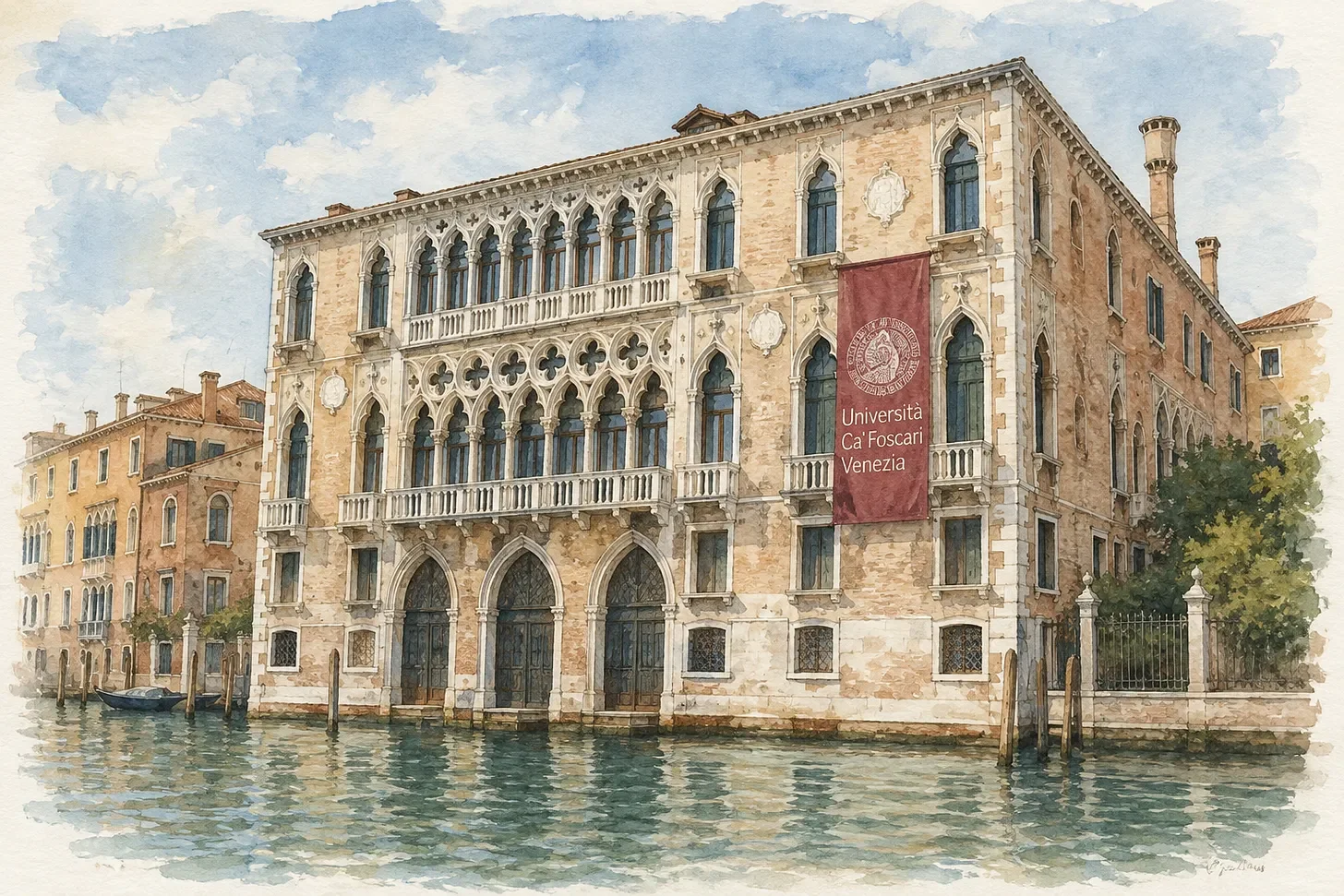
Microhistory Explained
Think your work might practice Microhistory?
Here is an example of using the Microhistory methods while writing;
1. Establish the person in the record. Begin with what surviving documents can actually establish before attempting reconstruction. Reduce the scale of investigation to a person, family, event, community, or other tightly bounded subject.
2. Build the chronology. Arrange documented events in sequence so that both continuity and gaps in the evidence become visible. Reconstruct the physical landscape in which the documented events occurred.
3. Expand outward from the individual. Investigate the people and institutions surrounding the subject because their records may preserve evidence the subject did not leave behind.
4. Reconstruct the immediate world. Use the history of the period and place to understand the conditions in which the individual lived. Bring together records, books, testimony, material culture, and comparable contemporary evidence without pretending that contextual evidence is personal evidence.
5. Separate fact from inference. Distinguish what the documents prove from what clues make probable, plausible, or merely possible. Historian Carlo Ginzburg’s writings on the evidential paradigm are particularly important here.
My Ship Dudes · John A. Knox
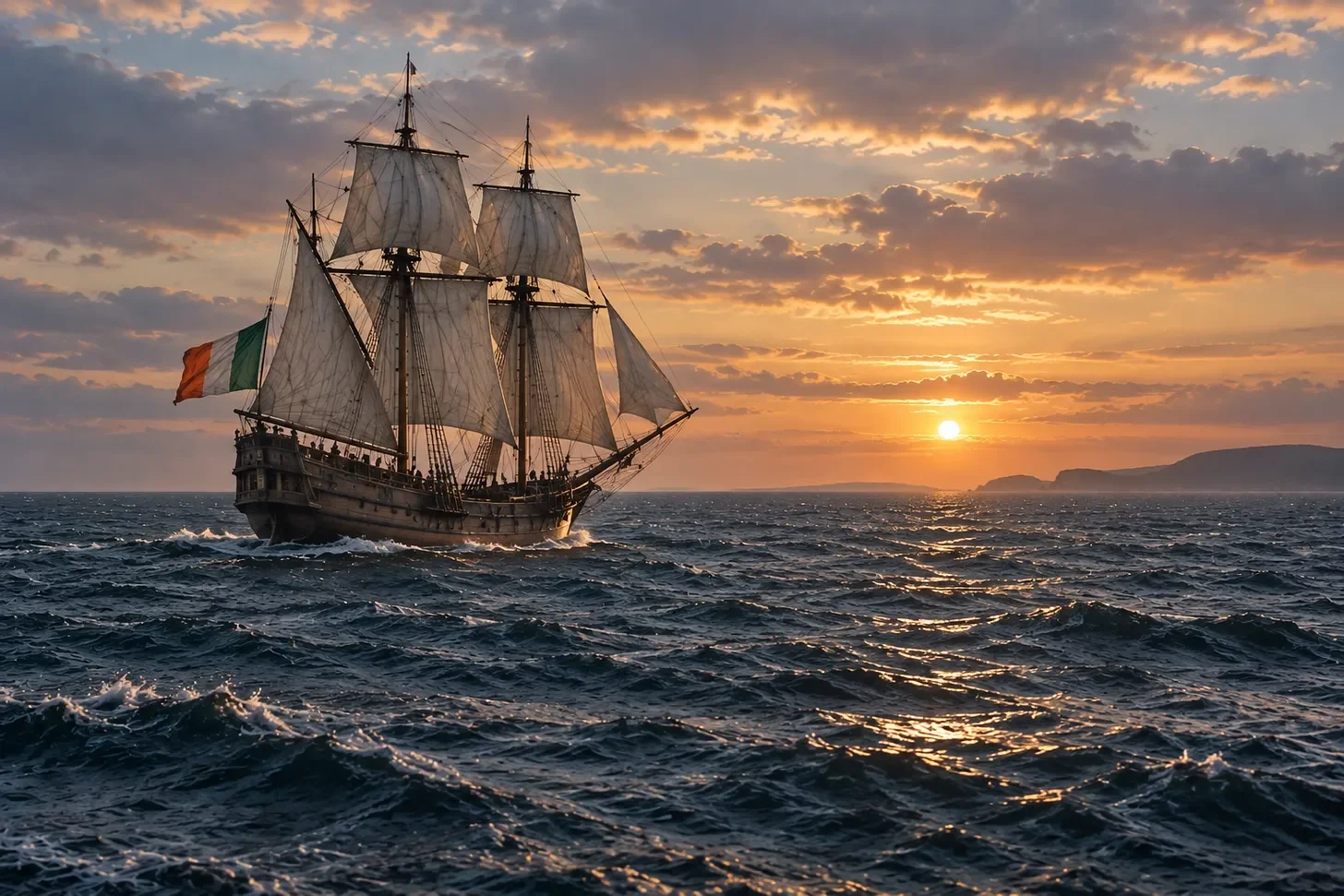
According to that account, John, Jean, and Patrick crossed the Atlantic in a sailing vessel, and the voyage did not go smoothly. Unfavorable winds prolonged the crossing to three months. Before they reached America, their water and provisions ran short. Patrick supposedly left Ireland wearing a new pair of buckskin breeches that fit him tightly. After three months at sea, with food running short, the breeches were considerably looser when he stepped ashore.
Orphan Trains
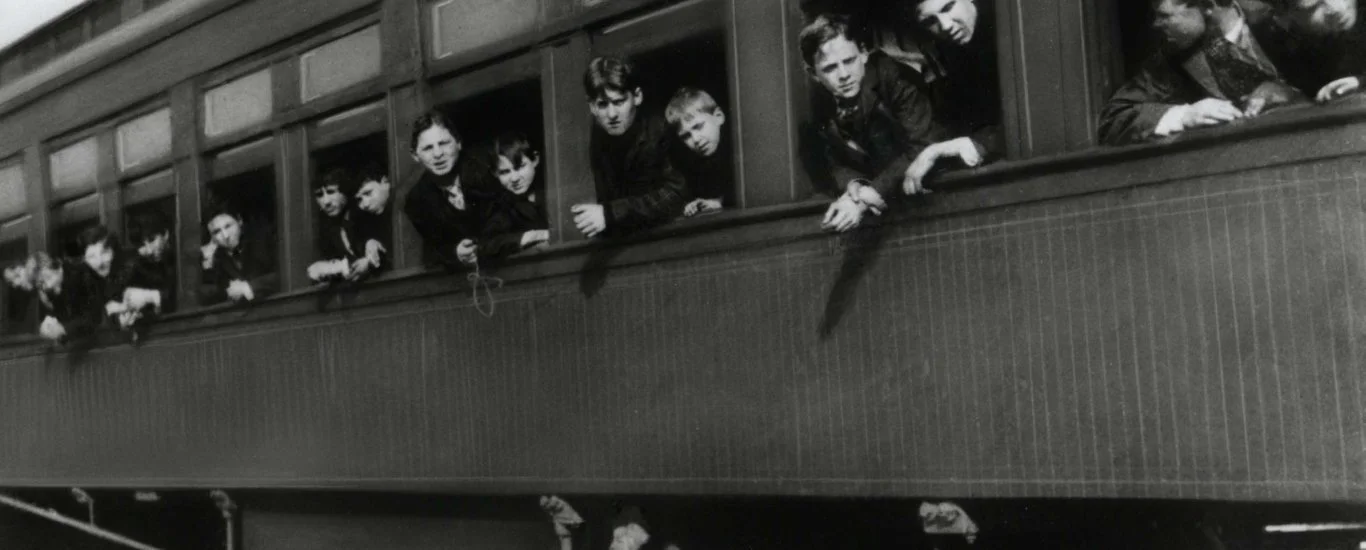
By the middle of the nineteenth century, the city was growing at a staggering pace. Immigrants arrived by the thousands, families crowded into tenements, and poverty could turn desperate very quickly. A death, illness, accident, or lost job might leave a family without rent money or enough to eat. There was no modern welfare system to catch them.
Children felt it immediately. Some sold newspapers, matches, or flowers. Others begged, scavenged, worked, or slept in alleys and lodging houses. Some still had parents and homes, but their families were barely hanging on.
That distinction matters: not every child who boarded an “orphan train” was actually an orphan.
Seven Ill Years
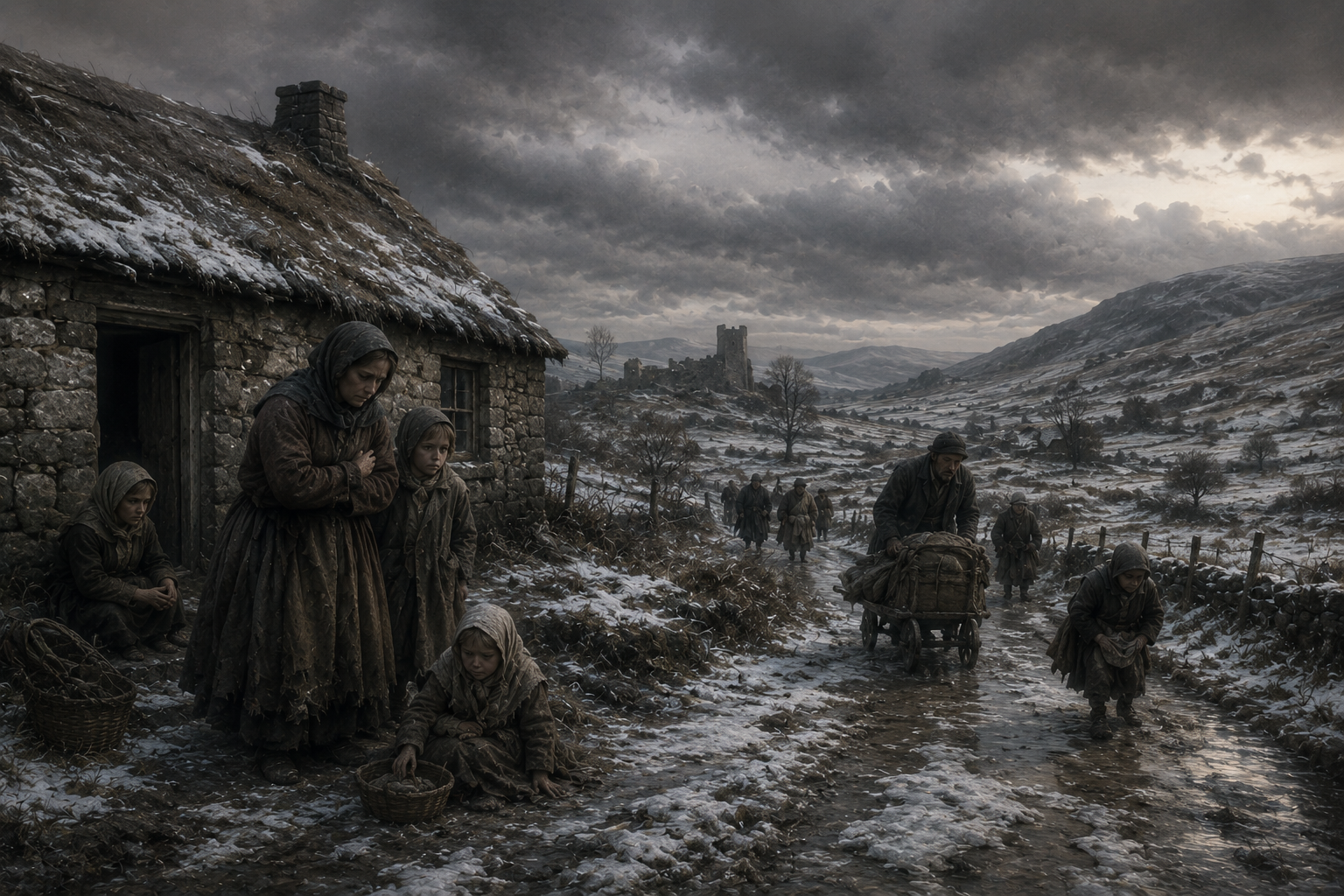
“For families living in the southwest Border country — particularly in Dumfriesshire and the old Marches — the suffering carried a different texture than it did in the crowded burghs of Edinburgh or Aberdeen. Here, survival depended almost entirely on the land itself. Crops failed. Livestock weakened. Trade slowed. Entire communities found themselves trapped between old feudal obligations, political uncertainty, and the harsh realities of subsistence living. For Border families such as the Carruthers of Holmains and their surrounding kin networks, the crisis arrived during a time when the region was already carrying centuries of instability behind it.”